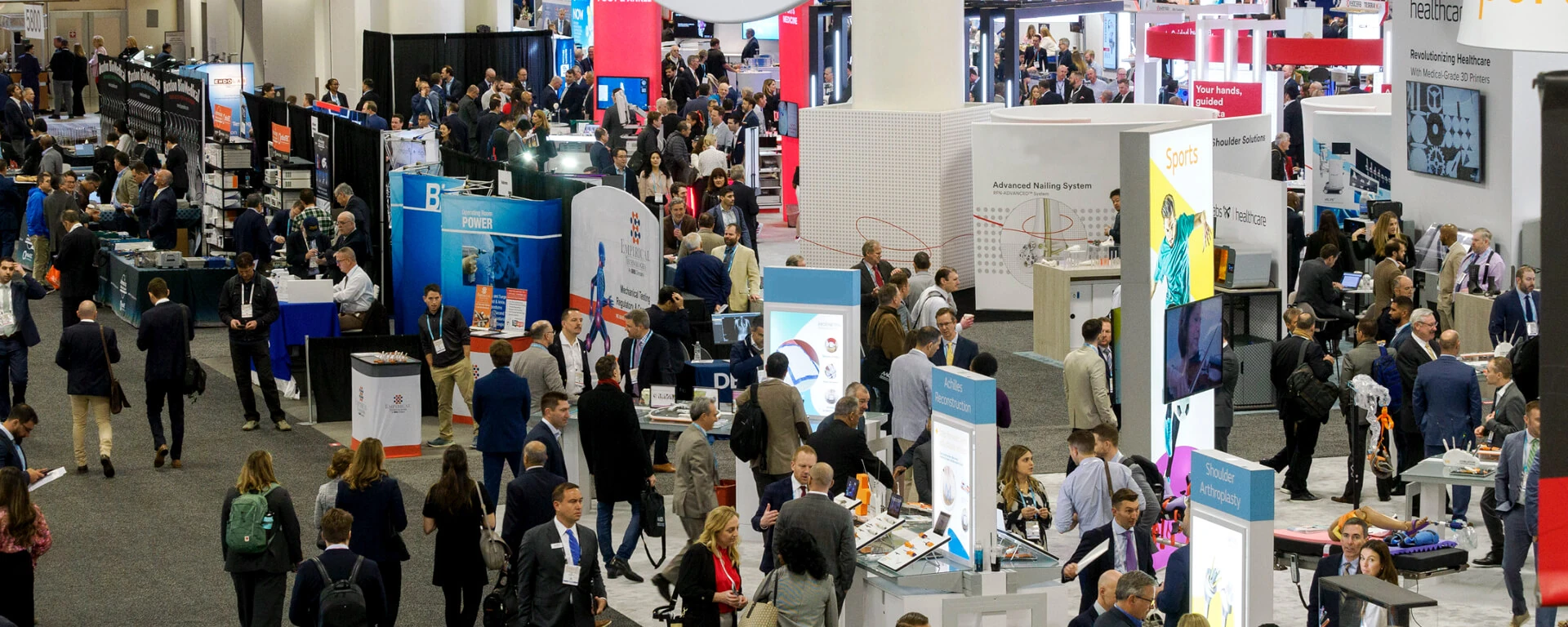
Charlotte has solidified its position as the Southeast's premier meeting and convention destination, supported by the 600,000-square-foot Charlotte Convention Center with 280,000 square feet of exhibit hall space and 154,000 square feet of breakout space, plus more than 6,400 walkable hotel rooms in the Uptown core. Effective registration and attendee experience planning translates this infrastructure into smooth operations that accommodate the high-volume passenger traffic through Charlotte Douglas International Airport, which handled 53.6 million passengers in 2025 with nonstop service to over 188 destinations. Planning focuses on pre-event strategy, real-time flow management, and post-event insights that match the expectations of professionals from the region's 19 Fortune 1000 headquarters spanning banking, advanced manufacturing, life sciences, logistics, motorsports, and technology.
With 3.2 million people in the Charlotte Region, a 1.7 million labor force, and 13 percent five-year workforce growth, events draw both regional drive-in audiences and national or international participants. Registration planning must therefore balance speed for time-sensitive finance and technology executives with experiential elements suited to motorsports enthusiasts at venues like the NASCAR Hall of Fame or Charlotte Motor Speedway. Attendee experience coordination emphasizes logical progression through sessions, networking zones, and hospitality functions while leveraging the 200-plus restaurants and bars within walking distance in Uptown Charlotte. This approach treats registration not as an isolated transaction but as the starting point of a cohesive journey that reinforces event objectives across the Uptown Convention Core, Concord-Cabarrus Event Corridor, and other venue clusters.
Strategic Registration Planning Aligned with Charlotte Market Dynamics
Registration planning for Charlotte events begins with understanding the city's dual role as a major financial center and a growing hub for advanced manufacturing, life sciences, and motorsports. The region's addition of more than 8,400 jobs from foreign direct investment since 2022 and presence of over 1,000 international businesses require systems capable of handling multilingual capabilities, secure data handling, and flexible ticketing options. Planners map attendee profiles against venue capacities, such as the Charlotte Convention Center's expansive exhibit floors, to determine optimal check-in windows that prevent bottlenecks while allowing time for meaningful onsite engagement.
Effective coordination incorporates the CRVA's unified destination management structure, which integrates sales, marketing, and venue operations for the convention center, NASCAR Hall of Fame, and related facilities. This enables registration strategies that synchronize with broader destination marketing, ensuring attendees receive consistent messaging from initial registration through arrival. For events drawing from the 15-county region, planning accounts for both air arrivals through Charlotte Douglas and drive-in patterns from areas including Concord, Huntersville, Rock Hill, and Gastonia to create balanced processing lanes.
The goal remains creating frictionless entry points that free attendees to focus on content, networking, and business objectives rather than logistical hurdles. By aligning registration timelines with Charlotte's job growth momentum, which ranked second nationally among large metros by the end of 2025, coordinators help exhibitors and organizers maximize the productivity of their gathered audiences.
- Profile-based registration tiers for corporate, association, and enthusiast events
- Advance credential distribution coordinated with airport and hotel clusters
- Capacity forecasting based on Charlotte Convention Center exhibit and breakout metrics
- Compliance checkpoints for life-sciences and financial services programs
Designing Attendee Flows Across Charlotte Venue Clusters
Charlotte's event infrastructure spans distinct clusters that each influence attendee experience planning. The Uptown Convention Core concentrates the Charlotte Convention Center, NASCAR Hall of Fame, and multiple headquarters hotels including the Westin, Hilton Charlotte Uptown, Charlotte Marriott City Center, Omni Charlotte Hotel, and JW Marriott Charlotte into a compact, walkable district. Coordination therefore emphasizes pedestrian-friendly routing, clear signage hierarchies, and timed transitions between exhibit halls, breakout sessions, and hospitality functions that take advantage of the dense concentration of 200-plus nearby restaurants and bars.
North of the core, the Concord-Cabarrus Event Corridor offers different considerations with the Embassy Suites Concord Convention Center, Cabarrus Arena & Events Center, Great Wolf Lodge, and Charlotte Motor Speedway. Attendee experience planning here accounts for larger parking capacity and drive-in attendance patterns, creating registration sequences that efficiently direct participants to speedway-adjacent activations or arena-scale programs. Meanwhile, adaptive-reuse spaces like Camp North End, the Fillmore, and Spectrum Center require more creative flow designs that blend industrial aesthetics with professional expectations.
South Charlotte executive venues such as the Ballantyne and Harris Conference Center support smaller, high-touch programs where attendee experience emphasizes privacy, premium hospitality, and smooth transitions. Across all clusters, planning prioritizes logical progression that minimizes fatigue while maximizing exposure to sponsors, educational content, and networking opportunities inherent to Charlotte's corporate depth.
Industry-Tailored Approaches for Charlotte's Key Demand Sectors
Banking and financial services represent a foundational demand driver given Charlotte's status as the second-largest financial center in the United States. Registration and attendee experience planning for these programs incorporates secure badge protocols, executive-level check-in options, and data privacy measures that align with industry standards. Flows are designed to facilitate high-value networking in Uptown settings while respecting the packed schedules of professionals who may arrive via the airport's extensive nonstop network.
Advanced manufacturing and logistics events benefit from coordination that accommodates product demonstrations, supplier meetings, and heavy equipment considerations at larger venues. Attendee journeys integrate technical sessions with exhibit time and off-site facility tours, using registration data to personalize recommendations and optimize daily schedules. Life sciences and healthcare programs require additional layers of compliance verification during registration, with experience design focused on educational integrity and peer-to-peer knowledge exchange in appropriate clinical or innovation-focused environments.
Motorsports and automotive events leverage Charlotte's unique assets including the NASCAR Hall of Fame and Charlotte Motor Speedway. Planning creates immersive experiences that begin at registration with branded credentials and continue through VIP hospitality, interactive exhibits, and track-related activities. Technology and corporate innovation gatherings blend elements from multiple sectors, using digital engagement tools to create dynamic attendee pathways that reflect the region's innovation economy and headquarters concentration.
- Finance sector: secure, expedited executive registration with privacy controls
- Motorsports: experiential credentials tied to NASCAR Hall of Fame and speedway access
- Life sciences: compliant verification processes integrated into attendee onboarding
- Manufacturing: scheduling tools that coordinate exhibit, session, and demonstration times
Technology Integration for Enhanced Registration and Engagement
Modern the planning in Charlotte incorporates digital platforms that scale to the size of the Charlotte Convention Center while providing actionable insights for organizers. Systems are selected and configured to capture meaningful data at every touchpoint, from initial registration through session attendance, exhibit interactions, and post-event surveys. This enables real-time adjustments to staffing, session popularity, and traffic patterns across the Uptown district's interconnected venues.
Mobile applications and digital wayfinding tools prove particularly valuable in Charlotte's multi-venue environment, helping attendees navigate between the convention center, adjacent hotels, and nearby activation spaces without disruption. Integration with existing venue technology infrastructure allows for smooth badge scanning, access control, and content delivery that enhances rather than complicates the participant journey. For international audiences arriving through Charlotte Douglas, digital pre-registration options reduce onsite processing time and support contactless experiences where preferred.
Analytics derived from these integrated systems help quantify the effectiveness of attendee engagement strategies, measuring dwell times, session attendance, and networking interactions against event objectives. This data-driven approach supports continuous improvement across recurring programs in the Charlotte market, whether held in the Uptown core, Concord corridor, SouthPark executive venues, or Rock Hill Sports & Event Center.
Coordinating Multi-Day and Multi-Venue Attendee Experiences
Many Charlotte events span multiple days and utilize more than one facility, requiring sophisticated coordination of registration and attendee flows. Planning establishes unified credentialing systems that function across the Charlotte Convention Center, NASCAR Hall of Fame, and affiliated hotels, eliminating redundant check-in processes. Schedules are synchronized to optimize transitions, with built-in buffer times that account for Charlotte's walkable Uptown layout and the occasional use of shuttles for farther-flung locations like the Ballantyne or Cabarrus County venues.
The region's 13 percent workforce growth and expanding corporate base have increased demand for hybrid events that blend in-person attendance with virtual components. Registration planning therefore includes tiered access levels and smooth platform integration that maintains consistent branding and data collection whether participants join from the exhibit floor or remotely. This flexibility proves especially relevant for programs serving the area's life sciences, technology, and international business communities.
Post-event coordination focuses on comprehensive reporting that captures the full attendee journey, from registration conversion rates through satisfaction metrics and behavioral data. These insights inform future planning, helping organizers refine their approach to Charlotte's distinctive combination of convention-scale facilities, executive hospitality options, and specialized venues like those supporting motorsports activations.
- Unified credentials valid across Uptown convention, hotel, and hospitality venues
- Synchronized scheduling between Charlotte Convention Center and Concord facilities
- Hybrid event registration supporting both in-person and remote participation
- Comprehensive post-event reporting on engagement and satisfaction metrics
Measuring and Optimizing Attendee Experience Outcomes in Charlotte
Successful registration and attendee experience coordination concludes with rigorous measurement against defined objectives. Key performance indicators include registration conversion rates, onsite processing efficiency, session attendance patterns, exhibit interaction levels, and overall Net Promoter Scores. In Charlotte's competitive environment, these metrics help demonstrate return on investment to sponsors and stakeholders from the financial services, manufacturing, and technology sectors that drive much of the market's event demand.
The CRVA's integrated approach to destination management provides a supportive framework for collecting consistent data across venues. Planning incorporates feedback mechanisms at multiple journey stages, capturing input on everything from initial registration ease to the effectiveness of networking opportunities within the Uptown restaurant and entertainment district. This continuous feedback loop supports iterative improvements that elevate future events.
For organizations returning to Charlotte multiple times, accumulated data creates institutional knowledge that streamlines subsequent planning cycles. Whether coordinating a large financial services conference at the convention center, a product launch at adaptive-reuse spaces like Camp North End, or an enthusiast event near Charlotte Motor Speedway, the emphasis remains on creating attendee experiences that strengthen brand connections and drive measurable business results within the Charlotte Region's dynamic business environment.
Planning Considerations for Emerging Charlotte Submarkets
While Uptown Charlotte and the Concord-Cabarrus corridor anchor much of the convention activity, emerging submarkets offer additional options that influence registration and attendee experience strategies. University City supports academic and medical meetings with distinct audience profiles, while SouthPark and Ballantyne cater to premium executive programs requiring elevated hospitality touches. Registration planning for these locations emphasizes convenience for local corporate audiences and alignment with their specific venue characteristics.
South Carolina extensions including the Rock Hill Sports & Event Center and Fort Mill locations expand the practical radius for events targeting cross-border audiences. Coordination ensures consistent attendee journeys whether programs center on the Charlotte Convention Center or utilize these complementary facilities. The overall planning framework maintains focus on Charlotte's core strengths: global air accessibility, concentrated Uptown inventory, diverse industry base, and supportive regional growth metrics.
As the market continues evolving with additional foreign direct investment and job creation, the planning must adapt to new hybrid formats, larger international delegations, and increasingly sophisticated technology expectations. The foundational principles remain consistent: create efficient, engaging, and measurable attendee journeys that capitalize on everything Charlotte offers as a convention destination.
Frequently Asked Questions
How does Charlotte's convention center scale influence registration planning?
The Charlotte Convention Center's 280,000 square feet of exhibit space and 154,000 square feet of breakout space, combined with 6,400 walkable hotel rooms, requires registration systems engineered for high-volume processing and intelligent attendee routing to prevent congestion while maximizing time for sessions and exhibits.
What role does the airport play in attendee experience coordination?
Charlotte Douglas International Airport's 53.6 million passengers in 2025 and service to more than 188 nonstop destinations shape arrival timelines, credential distribution strategies, and transportation integration that reduce friction for national and international attendees arriving for Uptown or Concord events.
How are industry differences addressed in Charlotte event planning?
Financial services programs emphasize secure, expedited processes, life sciences events incorporate compliance checkpoints, motorsports activations create experiential registration tied to NASCAR and speedway assets, and manufacturing events focus on scheduling coordination for demonstrations and supplier meetings.
Why does venue clustering matter for attendee flow?
Charlotte's distinct clusters, from the walkable Uptown Convention Core with multiple hotels and the NASCAR Hall of Fame to the Concord corridor with arena and speedway facilities, require tailored flow designs, unified credentials, and synchronized schedules to create smooth multi-venue experiences.
What metrics indicate successful registration and attendee experience?
Key indicators include registration conversion efficiency, onsite processing times, session and exhibit engagement rates, networking interaction levels, satisfaction scores, and post-event business outcomes that demonstrate ROI for organizers and exhibitors in the Charlotte market.
How does planning differ for executive versus large-scale events?
Executive programs at Ballantyne or SouthPark venues focus on privacy, premium hospitality, and personalized journeys, while large-scale conventions at the Charlotte Convention Center prioritize volume processing, clear wayfinding across expansive halls, and integration with the dense Uptown restaurant and hotel district.