Planning radius
Charlotte metro + nearby corridor
Most programs touch Uptown, South Charlotte, Concord, Cabarrus, or nearby South Carolina venues, so the plan has to account for more than one operating zone.
Operational Support
Charlotte’s convention infrastructure, corporate headquarters density, and transportation network create distinct requirements for successful exhibit programs. Coordinated planning across logistics, attendee journeys, venue operations, and industry-specific demands helps exhibitors and organizers capitalize on the market’s scale and momentum.
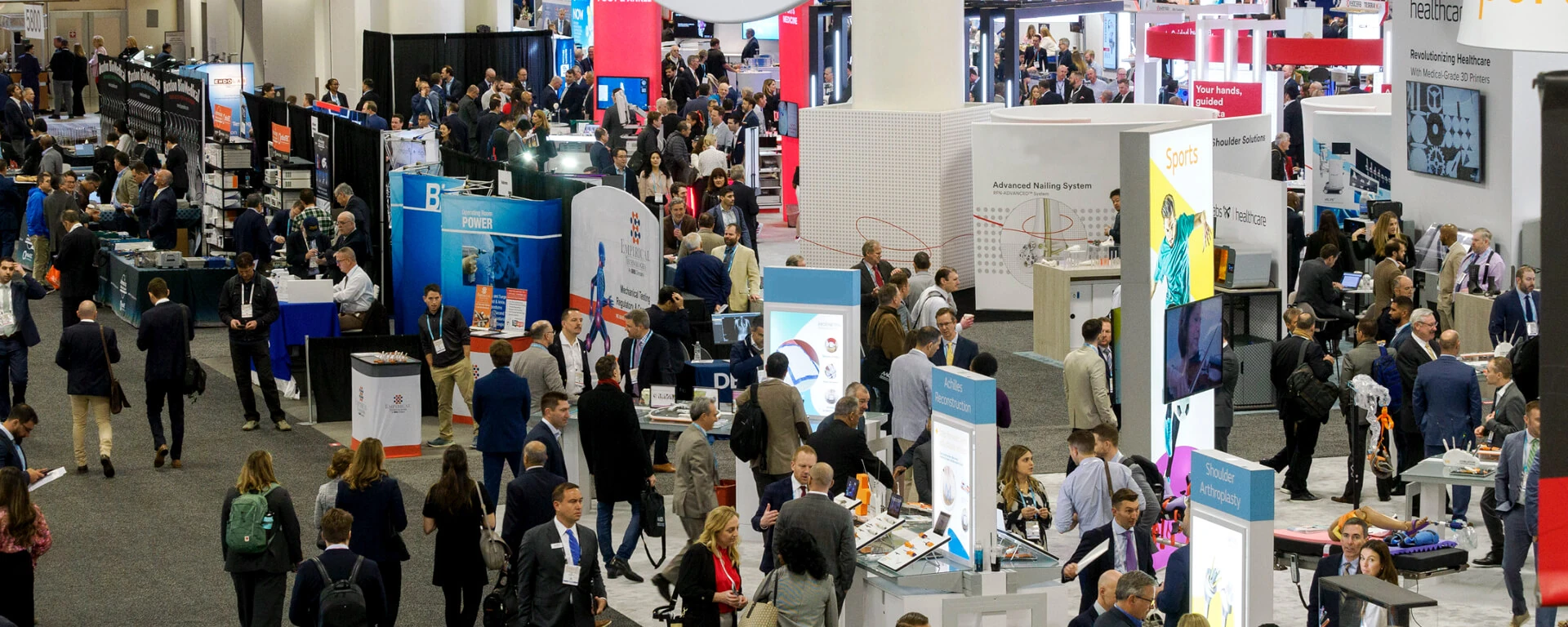
The Charlotte Convention Center supplies 280,000 square feet of exhibit space inside a 600,000-square-foot facility supported by 154,000 square feet of breakout space and more than 6,400 walkable hotel rooms in the Uptown district. This inventory, paired with the CRVA’s unified destination management structure, enables programs that range from large-scale association conventions to targeted corporate showcases while benefiting from 200-plus restaurants and bars within easy reach.
Global connectivity through Charlotte Douglas International Airport, which handled 53.6 million passengers in 2025 with nonstop flights to more than 188 destinations, streamlines national and international participation. The broader 15-county region’s 3.2 million residents, 1.7 million labor force, 13 percent five-year workforce growth, and second-place national job-growth ranking among large metros further reinforce consistent attendance across banking, advanced manufacturing, life sciences, motorsports, logistics, and technology events.
Capabilities in this market center on integrated planning that addresses exhibit management, logistics coordination, attendee experience, lead optimization, venue alignment across multiple clusters, and technical production. Each element is formed by the distinct operational profiles of the Uptown Convention Core, Concord/Cabarrus Event Corridor, adaptive-reuse activation zones, South Charlotte executive venues, and South Carolina extension sites.
Planning radius
Most programs touch Uptown, South Charlotte, Concord, Cabarrus, or nearby South Carolina venues, so the plan has to account for more than one operating zone.
Venue base
Convention centers, hotels, arenas, hospitality properties, and event campuses tracked for Charlotte programs.
Location span
Districts and nearby markets that change freight movement, hotel strategy, crew travel, and venue selection.
Labor stance
Charlotte is a right-to-work market, but exhibitor labor assumptions still need to be checked against the current venue section, show manual, and in-house service-provider rules before promising self-perform rights.
Operational Support
Capability Focus
Exhibit Program Management for schedule control, vendor alignment, venue coordination, asset oversight, and live issue management.
Capability Focus
Multi-Show Rollout Support for schedule control, vendor alignment, venue coordination, asset oversight, and live issue management.
Capability Focus
Show Site Supervision for schedule control, vendor alignment, venue coordination, asset oversight, and live issue management.
Capability Focus
Exhibitor Logistics Coordination for schedule control, vendor alignment, venue coordination, asset oversight, and live issue management.
Capability Focus
Registration and Attendee Experience for schedule control, vendor alignment, venue coordination, asset oversight, and live issue management.
Capability Focus
Lead Capture and Digital Engagement for schedule control, vendor alignment, venue coordination, asset oversight, and live issue management.
Capability Focus
Venue Operations Coordination for schedule control, vendor alignment, venue coordination, asset oversight, and live issue management.
Capability Focus
Technical Production Management for schedule control, vendor alignment, venue coordination, asset oversight, and live issue management.
The Charlotte Convention Center supplies 280,000 square feet of exhibit space inside a 600,000-square-foot facility supported by 154,000 square feet of breakout space and more than 6,400 walkable hotel rooms in the Uptown district. This inventory, paired with the CRVA’s unified destination management structure, enables programs that range from large-scale association conventions to targeted corporate showcases while benefiting from 200-plus restaurants and bars within easy reach.
Global connectivity through Charlotte Douglas International Airport, which handled 53.6 million passengers in 2025 with nonstop flights to more than 188 destinations, streamlines national and international participation. The broader 15-county region’s 3.2 million residents, 1.7 million labor force, 13 percent five-year workforce growth, and second-place national job-growth ranking among large metros further reinforce consistent attendance across banking, advanced manufacturing, life sciences, motorsports, logistics, and technology events.
Capabilities in this market center on integrated planning that addresses exhibit management, logistics coordination, attendee experience, lead optimization, venue alignment across multiple clusters, and technical production. Each element is formed by the distinct operational profiles of the Uptown Convention Core, Concord/Cabarrus Event Corridor, adaptive-reuse activation zones, South Charlotte executive venues, and South Carolina extension sites.
Exhibit program management in Charlotte begins with alignment to the scale and character of available facilities. The Charlotte Convention Center’s 280,000 square feet of dedicated exhibit space accommodates both expansive trade shows and focused product demonstrations, while adjacent hotels such as the Westin Charlotte, Hilton Charlotte Uptown, and Charlotte Marriott City Center simplify integration of exhibit hours with conference sessions and hospitality functions.
The market’s 19 Fortune 1000 headquarters across financial services, retail, manufacturing, aerospace, and technology allow programs to engage senior stakeholders directly. Management therefore coordinates messaging, booth experiences, and follow-up protocols with the priorities of these sectors, particularly where life sciences and healthcare events require additional compliance considerations.
Opportunities tied to motorsports assets, including the NASCAR Hall of Fame and Charlotte Motor Speedway, further shape program architecture. Coordination that respects the full calendar and the region’s sustained foreign direct investment momentum helps translate physical presence into measurable pipeline impact.
Strategic oversight also incorporates the destination’s walkable Uptown layout and the broader 15-county labor force expansion, ensuring that every program component reinforces corporate objectives within a high-growth Southeastern market.
Charlotte functions as a practical hub within multi-show rollout calendars because of its airport connectivity and varied venue inventory. Nonstop service to 188 destinations from Charlotte Douglas International Airport facilitates efficient movement of teams and materials between Southeastern or national stops.
The region’s second-ranked job growth, expanding workforce, and more than 1,000 international businesses create sustained demand for repeat participation across annual industry gatherings. Rollout planning therefore maintains brand consistency while adapting execution to each venue’s distinct profile, whether the main convention center or secondary sites in Concord.
Support encompasses scheduling, resource allocation, and budget continuity so that flagship launches in Charlotte generate momentum for subsequent events. The market’s 200-plus walkable dining and entertainment options also enhance networking components that strengthen long-term relationships across multiple program dates.
Treating Charlotte as a cornerstone within larger circuits allows organizations to leverage the city’s corporate headquarters depth and innovation economy for higher-impact engagements.
Logistics coordination for Charlotte events must synchronize freight, installation, and dismantling across multiple venue types and geographic submarkets. The Charlotte Convention Center, Concord Convention Center, Cabarrus Arena, and adaptive-reuse sites each maintain individual operational rhythms that require precise timeline alignment.
Airport cargo capabilities supporting 53.6 million annual passengers enable smoother handling of both domestic and international shipments. With more than 8,400 jobs created through foreign direct investment since 2022, many exhibits involve cross-border movement that benefits from integrated routing from CLT to final venue.
The 15-county Charlotte Region’s 1.7 million labor force and continued population growth influence attendance forecasts and therefore material quantities. Coordination extends to move-in/out windows at locations ranging from Uptown hotels to the Rock Hill Sports & Event Center south of the state line.
Effective planning prevents bottlenecks by accounting for the practical radius that includes University City, Ballantyne, Huntersville, Mooresville, and Gastonia, ensuring programs maintain momentum regardless of primary venue.
Registration and attendee experience planning in Charlotte capitalizes on the walkable Uptown district where the convention center, NASCAR Hall of Fame, and major hotels sit within easy reach. Systems that integrate real-time updates help attendees move fluidly between exhibit floors, breakout sessions, and hospitality events.
Audience profiles vary by corridor: financial-services executives in SouthPark or Ballantyne, manufacturing and logistics professionals near Concord, or motorsports enthusiasts at speedway-adjacent venues. Registration platforms therefore incorporate personalization that matches these expectations while leveraging the region’s technology and innovation economy.
The destination’s 200-plus restaurants and bars plus family-oriented options at Great Wolf Lodge allow experience design to extend beyond formal programming. Unified destination management by the CRVA further supports consistent communications and on-site services across the metropolitan area.
Data drawn from the market’s job-growth ranking and corporate headquarters concentration enables more accurate attendance modeling and post-event nurturing that reflects actual participant behavior.
Lead capture and digital engagement capabilities address the expectations of professionals from 19 Fortune 1000 companies headquartered in the region. Tools that integrate badge scanning, mobile applications, and CRM handoff align with the efficiency demands of banking, technology, and healthcare decision makers.
The market’s innovation focus supports interactive displays and virtual extensions that increase booth throughput and extend reach after the show closes. Digital strategies also accommodate the international business community attracted by recent foreign direct investment, offering multilingual options and follow-up sequences calibrated to global travel patterns through CLT.
Measurement frameworks tied to the region’s 13 percent workforce growth and second-place job-growth ranking help quantify pipeline contribution and demonstrate continued value of Charlotte participation. Coordination ensures that digital components reinforce overall program objectives rather than operate in isolation.
When paired with compliant data handling appropriate for life sciences events, these capabilities convert on-site interactions into sustained commercial relationships within a headquarters-dense Southeastern market.
Venue operations coordination matches program requirements to the strengths of five primary clusters: Uptown Convention Core, Concord/Cabarrus Event Corridor, Adaptive Reuse/Activation Zone, South Charlotte Executive Corridor, and South Carolina Extension. Each cluster presents different square footage, ambiance, and access profiles.
Uptown venues led by the Charlotte Convention Center and supported by the Omni Charlotte Hotel, JW Marriott Charlotte, and Hilton Charlotte Uptown suit citywide conventions and walkable multi-day programs. The Concord corridor, featuring the Embassy Suites Concord Convention Center, Cabarrus Arena, and Charlotte Motor Speedway, accommodates larger drive-in crowds and experiential activations.
Adaptive spaces such as Camp North End, the Fillmore, Spectrum Center, and Truist Field provide atmospheric settings for launches and hospitality, while the Ballantyne and Harris Conference Center deliver polished environments for executive meetings. Rock Hill Sports & Event Center extends practical coverage into York County for hybrid sports-and-event audiences.
Coordination ensures power, AV, traffic flow, and security decisions align with both the chosen venue’s infrastructure and the event’s industry focus, whether advanced manufacturing expos or financial-services conferences, within the CRVA’s destination-management framework.
Planner questions
Key clusters include the Uptown Convention Core with the Charlotte Convention Center and major hotels, the Concord/Cabarrus Event Corridor featuring the convention center, arena, and motor speedway, adaptive reuse spaces such as Camp North End and the Fillmore, the South Charlotte Executive Corridor led by the Ballantyne, and South Carolina Extension options like the Rock Hill Sports & Event Center.
The airport handled 53.6 million passengers in 2025 and provides nonstop service to more than 188 destinations. This connectivity supports efficient travel for national exhibitor teams, international attendees, and streamlined freight movement critical to successful trade show execution in the Southeast.
Primary demand comes from banking and financial services as the nation’s second-largest financial center, advanced manufacturing, life sciences and healthcare, logistics and international business, motorsports and automotive, and technology and corporate innovation sectors.
With a 600,000-square-foot convention center, multiple distinct venue clusters across a 15-county region, 19 Fortune 1000 headquarters, and rapid job growth, effective coordination across logistics, attendee experience, and technical elements helps programs fully leverage the market’s infrastructure and economic momentum.
The official inventory includes 280,000 square feet of exhibit space, 154,000 square feet of breakout rooms, and more than 6,400 walkable hotel rooms in Uptown Charlotte, supplemented by 200-plus nearby restaurants and bars that enhance the overall attendee experience.
Yes. The Concord/Cabarrus corridor offers complementary inventory including the Embassy Suites Concord Convention Center, Cabarrus Arena & Events Center, and Charlotte Motor Speedway hospitality options, allowing programs to extend reach while remaining within the greater Charlotte market’s practical radius.
Ready to brief your project?
Connect with planning resources equipped to navigate the region’s venue clusters, economic drivers, and infrastructure specifics for more effective trade show outcomes.