
Planning radius
Charlotte metro + nearby corridor
Most programs touch Uptown, South Charlotte, Concord, Cabarrus, or nearby South Carolina venues, so the plan has to account for more than one operating zone.
Program Types
Charlotte's convention infrastructure, corporate density, and sector strengths create ideal conditions for diverse professional events ranging from large expositions to targeted brand experiences.
Charlotte has solidified its position as the Southeast's premier meeting and convention destination through tangible assets including the 600,000-square-foot Charlotte Convention Center with 280,000 square feet of exhibit space and 154,000 square feet of breakout rooms plus more than 6,400 walkable hotel rooms. Trade Show Services of Charlotte provides authoritative planning and coordination resources that align event objectives with these verified market capabilities and the economic drivers shaping attendee pools across banking, manufacturing, life sciences, motorsports, and technology.
The region's 3.2 million population, 1.7 million labor force, and documented 13 percent five-year workforce growth combine with 19 Fortune 1000 headquarters and more than 1,000 international businesses to sustain consistent demand for varied event formats. Charlotte Douglas International Airport's handling of 53.6 million passengers in 2025 with nonstop service to over 188 destinations further enables national and global participation. Official planning resources from Charlotte Meetings and the CLT Alliance inform precise matching of event types to venue clusters in Uptown, Concord-Cabarrus, South Charlotte, and adaptive-reuse zones.
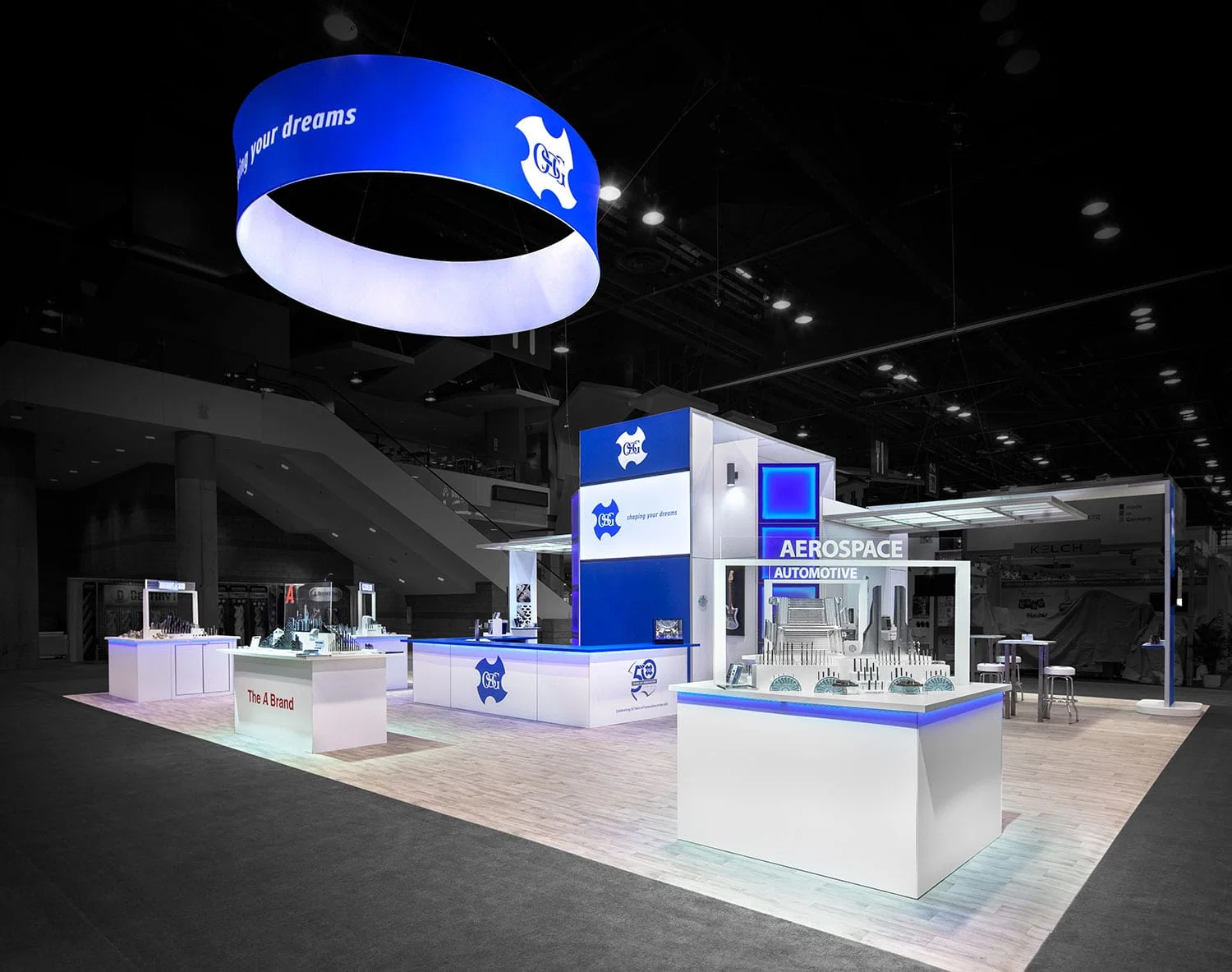
From trade shows and conferences to association gatherings, medical meetings, product launches, brand activations, roadshows, sponsorship programs, and pop-up experiences, each format benefits from strategic alignment with Charlotte's unified CRVA destination management and diverse locations such as the NASCAR Hall of Fame, Cabarrus Arena, the Ballantyne Hotel, and Camp North End. Coordination frameworks emphasize data-driven decisions drawn exclusively from established market signals.
Planning radius
Most programs touch Uptown, South Charlotte, Concord, Cabarrus, or nearby South Carolina venues, so the plan has to account for more than one operating zone.
Venue base
Convention centers, hotels, arenas, hospitality properties, and event campuses tracked for Charlotte programs.
Location span
Districts and nearby markets that change freight movement, hotel strategy, crew travel, and venue selection.
Labor stance
Charlotte is a right-to-work market, but exhibitor labor assumptions still need to be checked against the current venue section, show manual, and in-house service-provider rules before promising self-perform rights.
Program Types
Format Focus
Trade Show Services execution shaped around audience flow, staffing, content pacing, AV, sponsor needs, and show-week control.
Format Focus
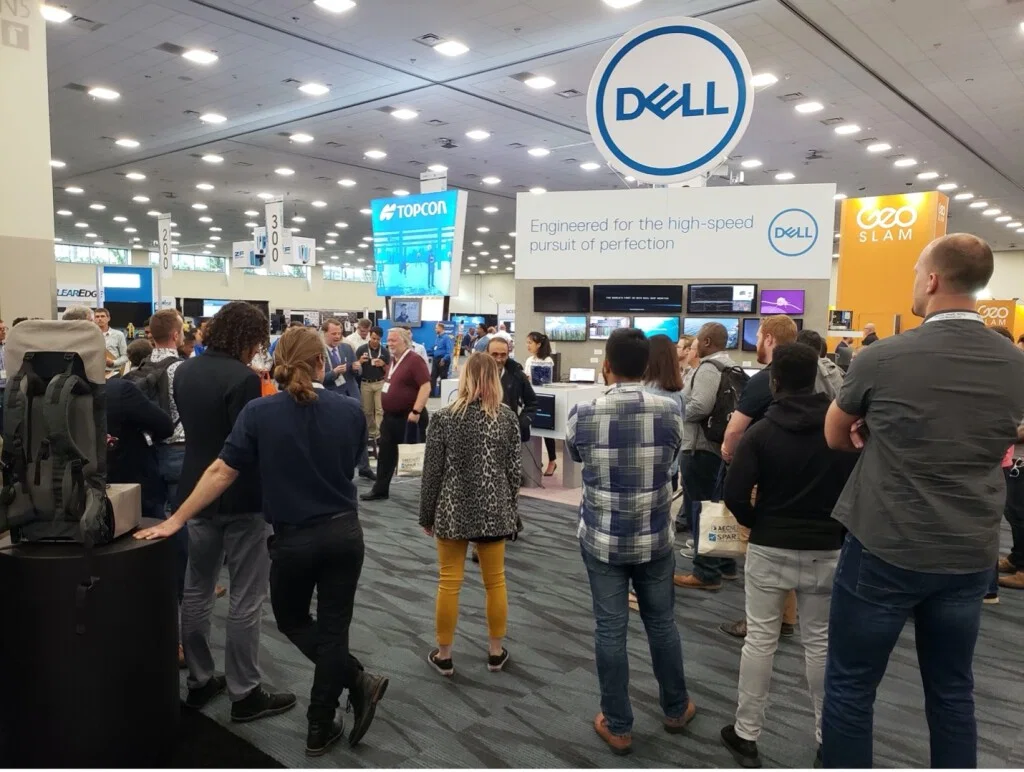
Conference Services execution shaped around audience flow, staffing, content pacing, AV, sponsor needs, and show-week control.

Format Focus
Expo Services execution shaped around audience flow, staffing, content pacing, AV, sponsor needs, and show-week control.
Format Focus
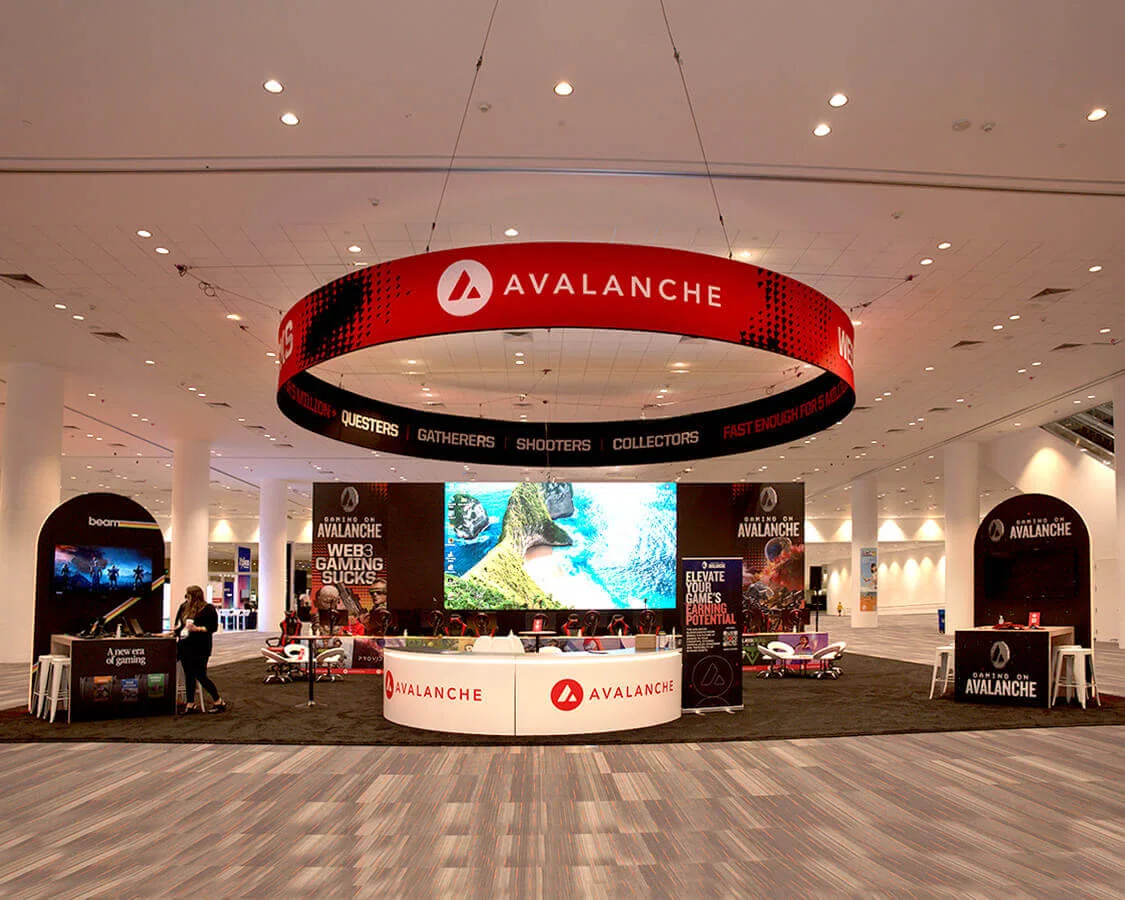
Convention Services execution shaped around audience flow, staffing, content pacing, AV, sponsor needs, and show-week control.

Format Focus
Product Launch Services execution shaped around audience flow, staffing, content pacing, AV, sponsor needs, and show-week control.
Format Focus
Brand Activation Services execution shaped around audience flow, staffing, content pacing, AV, sponsor needs, and show-week control.
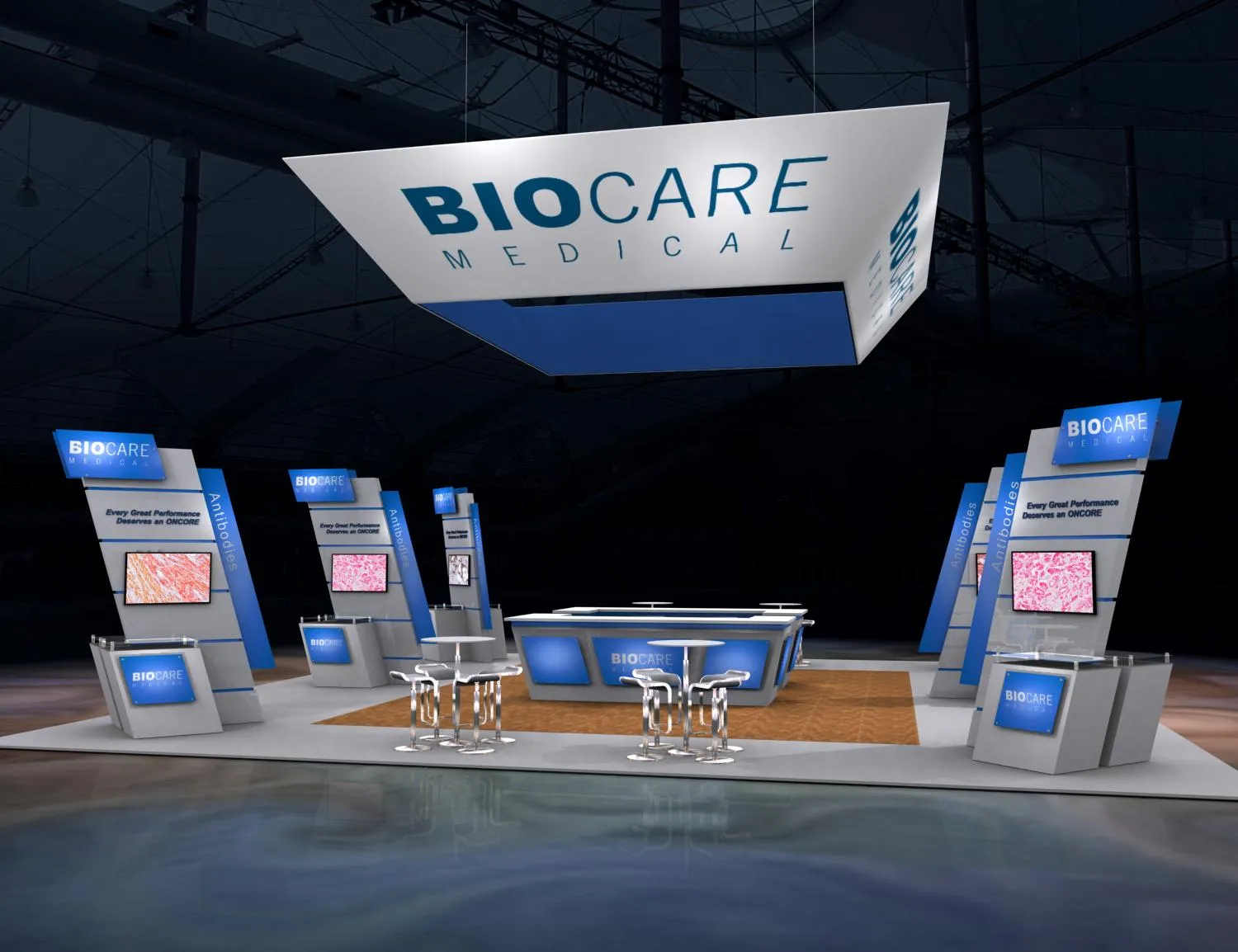
Format Focus
Corporate Event Services execution shaped around audience flow, staffing, content pacing, AV, sponsor needs, and show-week control.
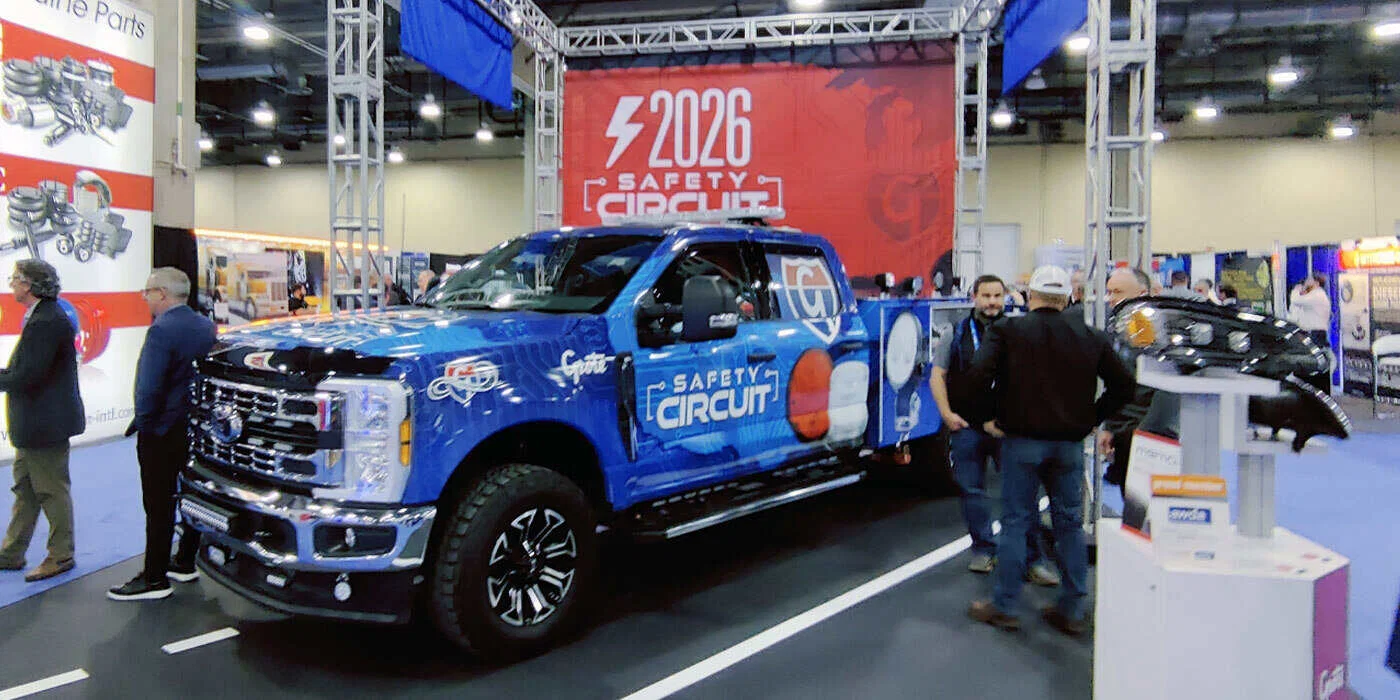
Format Focus
Roadshow Services execution shaped around audience flow, staffing, content pacing, AV, sponsor needs, and show-week control.
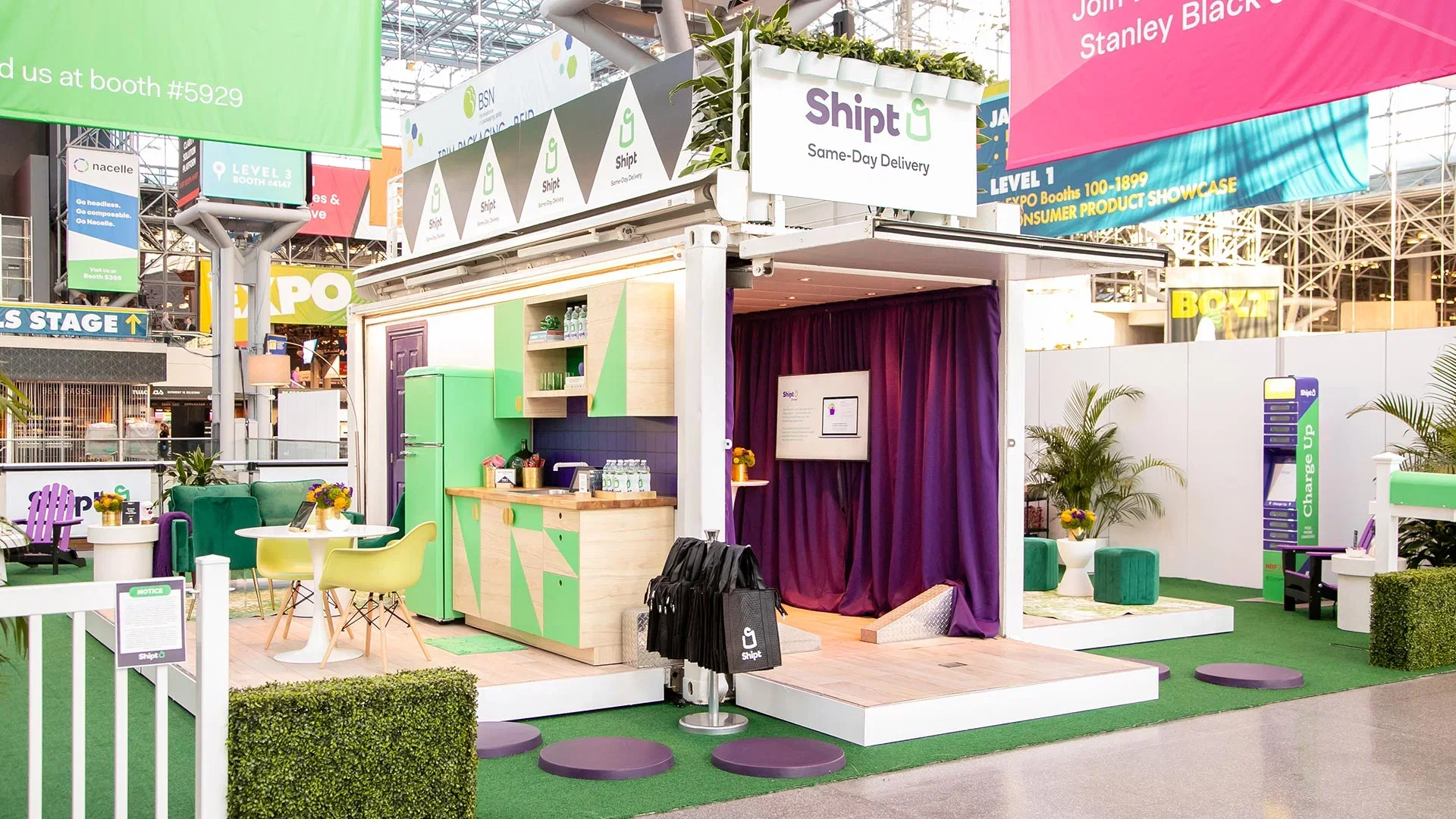
Format Focus
Sponsorship Activation Services execution shaped around audience flow, staffing, content pacing, AV, sponsor needs, and show-week control.

Format Focus
Pop-Up Event Services execution shaped around audience flow, staffing, content pacing, AV, sponsor needs, and show-week control.
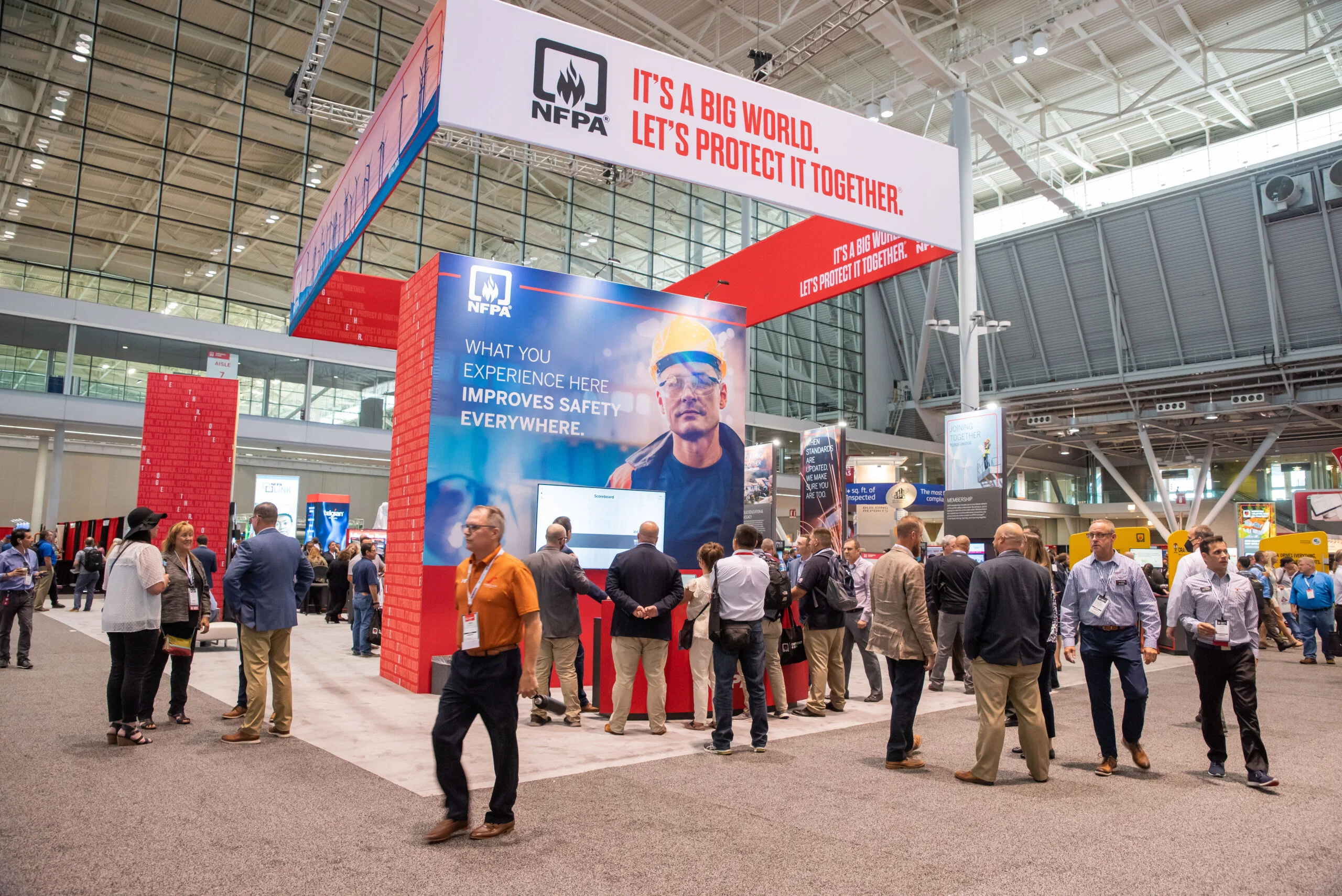
Format Focus
Association Meeting Services execution shaped around audience flow, staffing, content pacing, AV, sponsor needs, and show-week control.
Format Focus
Medical Meeting Services execution shaped around audience flow, staffing, content pacing, AV, sponsor needs, and show-week control.
Charlotte has solidified its position as the Southeast's premier meeting and convention destination through tangible assets including the 600,000-square-foot Charlotte Convention Center with 280,000 square feet of exhibit space and 154,000 square feet of breakout rooms plus more than 6,400 walkable hotel rooms. Trade Show Services of Charlotte provides authoritative planning and coordination resources that align event objectives with these verified market capabilities and the economic drivers shaping attendee pools across banking, manufacturing, life sciences, motorsports, and technology.
The region's 3.2 million population, 1.7 million labor force, and documented 13 percent five-year workforce growth combine with 19 Fortune 1000 headquarters and more than 1,000 international businesses to sustain consistent demand for varied event formats. Charlotte Douglas International Airport's handling of 53.6 million passengers in 2025 with nonstop service to over 188 destinations further enables national and global participation. Official planning resources from Charlotte Meetings and the CLT Alliance inform precise matching of event types to venue clusters in Uptown, Concord-Cabarrus, South Charlotte, and adaptive-reuse zones.
From trade shows and conferences to association gatherings, medical meetings, product launches, brand activations, roadshows, sponsorship programs, and pop-up experiences, each format benefits from strategic alignment with Charlotte's unified CRVA destination management and diverse locations such as the NASCAR Hall of Fame, Cabarrus Arena, the Ballantyne Hotel, and Camp North End. Coordination frameworks emphasize data-driven decisions drawn exclusively from established market signals.
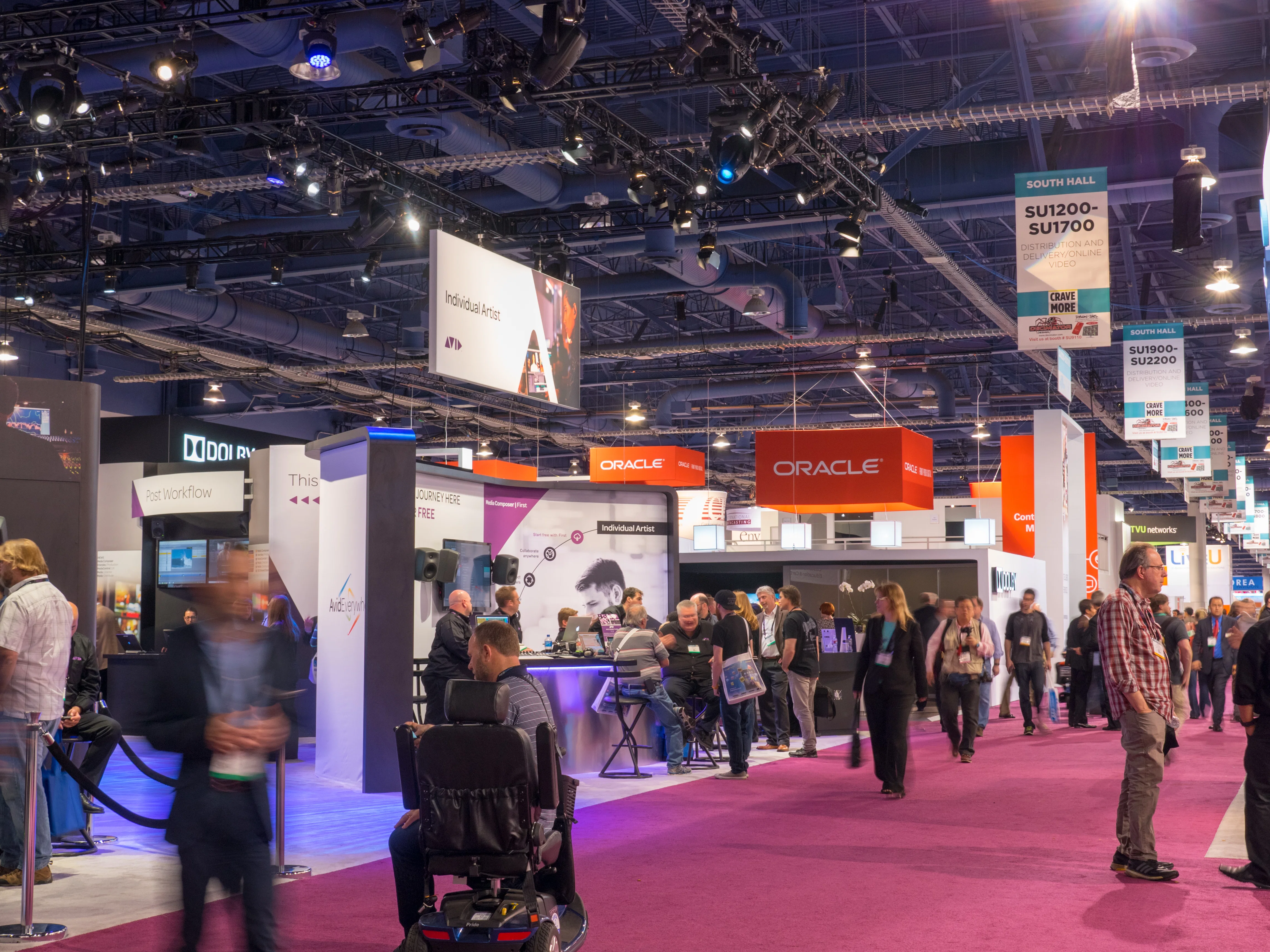
Trade shows and expositions in Charlotte utilize the convention center's substantial exhibit halls to support industry-specific programming in advanced manufacturing, logistics, and technology. Planning resources focus on optimizing layout efficiency, attendee circulation, and integration with breakout sessions while leveraging the market's strong supply chain and international business activity.
The airport's extensive connectivity simplifies national exhibitor participation and equipment logistics. Secondary capacity at the Cabarrus Arena & Events Center allows for expanded or consumer-hybrid formats north of Uptown, extending reach across the 15-county region without compromising core programming integrity.
Coordination incorporates sponsorship opportunities tied to the concentration of Fortune 1000 companies, transforming exhibits into platforms for targeted relationship building and lead generation that reflect Charlotte's documented job growth and foreign direct investment momentum.
All recommendations remain grounded in official venue metrics and economic reports rather than generalized assumptions.
Conferences and conventions benefit from the CRVA's integrated management of the Charlotte Convention Center, NASCAR Hall of Fame, and connected Uptown hotels including the Westin, Hilton Charlotte Uptown, and JW Marriott. This cluster supports multi-track agendas with smooth transitions between general sessions, committee meetings, and exhibits.
Association-driven conferences align naturally with the region's headquarters density in financial services and technology, enhanced by more than 200 walkable restaurants and bars that facilitate organic networking. Planning frameworks map educational content to established demand drivers while ensuring logistical coherence.
Smaller or specialized conventions often utilize Ballantyne or Concord facilities where environments match distinct audience profiles, from executive leadership sessions to regional industry gatherings. This tiered approach maximizes suitability across event scales.
Resources emphasize attendee experience, accessibility, and integration with Charlotte's broader meetings ecosystem.
Corporate events and product launches in Charlotte draw on the presence of 19 Fortune 1000 companies across multiple sectors. Planning identifies venues that provide appropriate scale and atmosphere, whether in adaptive-reuse spaces like Camp North End for creative reveals or polished settings at the Ballantyne for executive audiences.
Roadshows efficiently cover submarkets from University City to Mooresville and Gastonia by sequencing stops according to local industry strengths such as motorsports in Concord or banking in Uptown. Coordination ensures each location selection supports overall program objectives and audience capture.
These formats frequently integrate sponsorship activation to extend impact through hospitality and demonstration zones at venues including Spectrum Center or the Fillmore, capitalizing on the region's innovation economy and corporate density.
Strategic frameworks prioritize measurable alignment with Charlotte's economic signals and venue capabilities.
Association meetings represent a durable segment supported by Charlotte's business climate and workforce growth. The convention center and surrounding hotels accommodate larger gatherings while specialized venues in SouthPark or Concord suit focused board meetings and workshops.
Planners utilize the market's policy framework and industry concentrations to develop relevant programming that resonates with members in finance, manufacturing, and technology. Air access through CLT simplifies speaker and attendee logistics from across the country.
Successful coordination blends formal sessions with networking at distinctive assets like the NASCAR Hall of Fame or Rock Hill Sports & Event Center, creating balanced experiences that reflect the region's lifestyle and professional attributes.
Resources address continuing education needs, hybrid capabilities, and outcome measurement consistent with association standards.
Medical meetings and life sciences events align with Charlotte's healthcare footprint and corporate presence. Venues in University City and South Charlotte, including the Ballantyne Hotel and Harris Conference Center, provide environments suitable for compliant educational programming and exhibits.
The convention center supports larger congresses with dedicated space for device demonstrations and scientific sessions. Planning addresses technology integration, privacy standards, and proximity to regional medical facilities while utilizing the airport's robust national access for specialists.
Events often bridge manufacturing capabilities with healthcare innovation, creating targeted programs that leverage the market's documented growth in these intersecting sectors. Coordination ensures adherence to industry protocols without compromising engagement.
Frameworks draw from official meeting planners data to match formats with appropriate locations and audience profiles.
Brand activations and sponsorship programs frequently connect to Charlotte's motorsports assets including Charlotte Motor Speedway and the NASCAR Hall of Fame. Planning resources identify high-impact locations that create authentic audience connections within financial services, automotive, and consumer segments.
Pop-up events in South End or adaptive-reuse districts such as Camp North End serve as effective extensions of larger Uptown conventions, generating targeted visibility without expanding primary venue footprints. These activations align with campaign themes and local market characteristics.
Sponsorship coordination emphasizes ROI through strategic placement, hospitality integration, and follow-up tactics that utilize the density of corporate headquarters and international businesses. Venues from the Underground to Great Wolf Lodge enable thematic precision across the extended region.
All approaches remain anchored in documented venue attributes and economic realities.
Planner questions
Banking and financial services as the second-largest U.S. Financial center, advanced manufacturing, life sciences and healthcare, logistics supported by foreign direct investment, motorsports tied to NASCAR assets, and technology innovation collectively sustain diverse event demand.
The facility offers 600,000 total square feet including 280,000 square feet of exhibit space and 154,000 square feet of breakout space, enabling trade shows, multi-track conferences, association meetings, and medical congresses with supporting walkable hotel inventory.
Charlotte Douglas International Airport handled 53.6 million passengers in 2025 and provides nonstop flights to more than 188 destinations, facilitating efficient national and international attendance for exhibitors, speakers, and delegates across all event formats.
Uptown concentrates convention, hotel, and sports venues for large events; Concord-Cabarrus supports arena, speedway, and drive-in formats; South Charlotte and Ballantyne offer executive and medical-focused settings; adaptive spaces enable creative activations.
Charlotte Motor Speedway, NASCAR Hall of Fame, and Concord corridor venues create unique opportunities for enthusiast events, brand launches, VIP hospitality, and sponsorship activations that leverage the market's established automotive and racing infrastructure.
Medical and life sciences events utilize compliant venues near healthcare concentrations with strong air access for specialists, supporting formats from device exhibits at the convention center to targeted educational programs at executive conference hotels.
Ready to brief your project?
Contact our planning resources to align your event type with Charlotte's verified venue specifications, economic drivers, and audience profiles for optimal outcomes in trade shows, conferences, medical meetings, or brand activations.