The Charlotte region serves as a strategic Southeastern destination for medical meeting planners who require both extensive educational space and regulated exhibit areas. With the Charlotte Convention Center delivering 280,000 square feet of exhibit hall space and 154,000 square feet of breakout space within a 600,000-square-foot facility, the market readily accommodates multi-track CME sessions, scientific presentations, and industry exhibits that demand strict compliance standards. Planners benefit from more than 6,400 walkable hotel rooms in the Uptown core, reducing logistical complexity while keeping attendees connected to restaurants, networking venues, and session spaces.
Charlotte's corporate and regional-medical footprint creates natural alignment for events that bridge clinical education with innovation and partnership opportunities. The area's 19 Fortune 1000 headquarters, 13 percent five-year workforce growth, and more than 8,400 jobs added through foreign direct investment since 2022 contribute to a dynamic environment where medical meetings can draw relevant professionals from across sectors including technology, manufacturing, and logistics. Charlotte Douglas International Airport further strengthens this position by providing nonstop service to more than 188 destinations and having handled 53.6 million passengers in 2025.
The CRVA's unified destination sales, marketing, and venue-management structure helps coordinate programs across the Uptown convention district and the Concord-Cabarrus corridor. This framework supports efficient planning for events that integrate general sessions, concurrent workshops, sponsor activities, and hospitality without fragmenting the attendee experience across disconnected locations.
Why Charlotte Supports Medical Congresses and Education Programs
Medical meeting organizers select Charlotte for its ability to host events that combine intensive continuing education with compliant industry exhibition. The city's life-sciences and healthcare demand driver provides a relevant audience base and potential for targeted sponsorship from organizations already active in the region. Charlotte Meetings positions the city as the Southeast's premier meeting and convention destination, highlighting infrastructure that meets the dual needs of scientific programming and regulated product showcases.
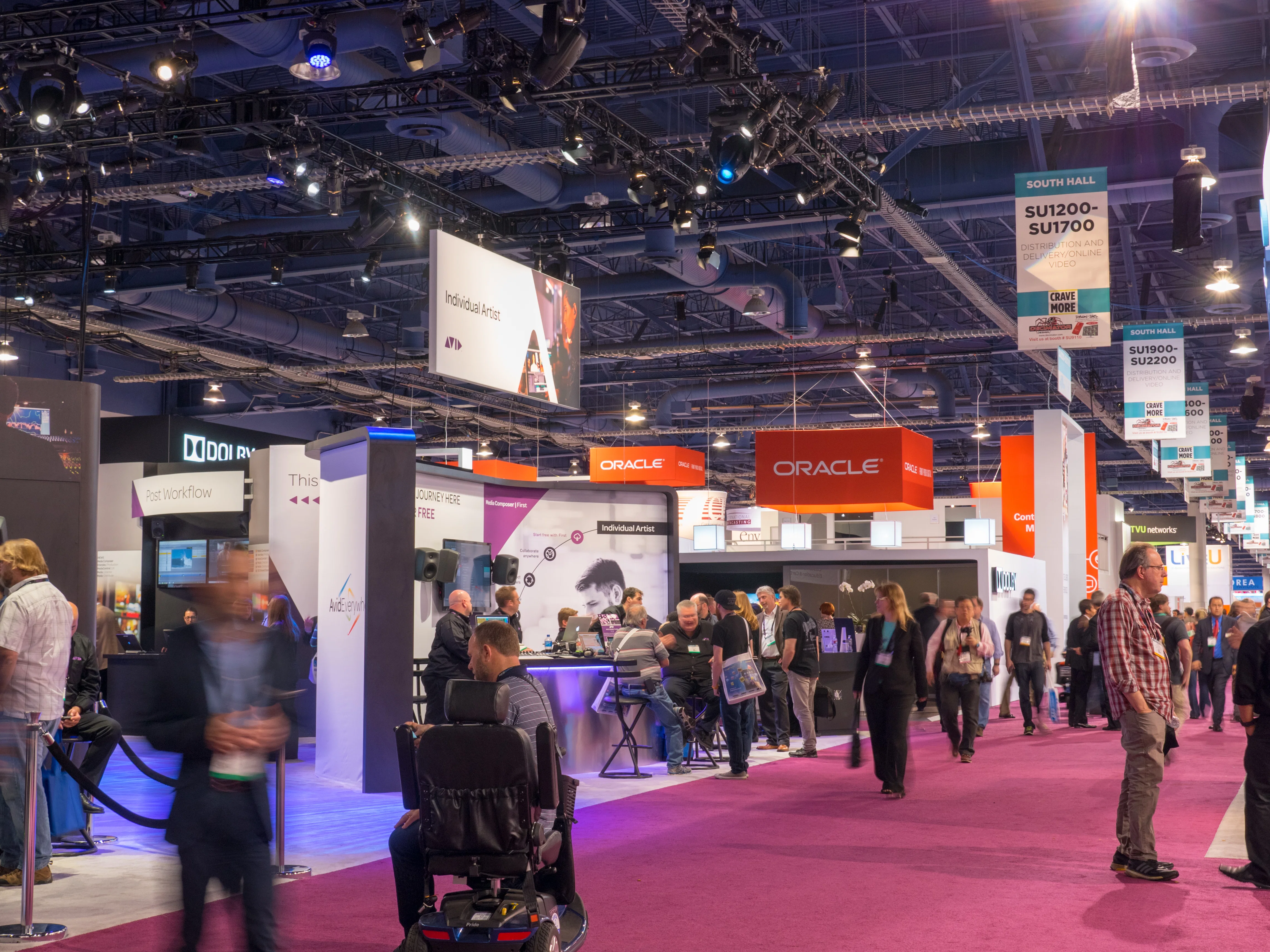
The Charlotte Convention Center's scale allows planners to separate educational zones from exhibit floors while maintaining easy access between them. This configuration helps satisfy accreditation standards that require clear distinction between promotional and CME content. With the CRVA overseeing venue operations, sales, and marketing under one organization, coordination of citywide elements becomes more streamlined than in markets with fragmented management structures.
Economic indicators reinforce the market's suitability. The CLT Alliance reports a regional population of 3.2 million, a labor force of 1.7 million, and consistent job growth that ranked second nationally among large metros by the end of 2025. These factors create an environment where medical meetings can attract both local and national participants who value the combination of professional development and exposure to regional innovation networks.
Charlotte Convention Center Capacity for Medical Events
The Charlotte Convention Center functions as the primary venue for larger medical congresses and association meetings that incorporate exhibits. Its 280,000 square feet of exhibit hall space supports the display needs of pharmaceutical companies, medical device manufacturers, and service providers while allowing room for compliant booth layouts and traffic flow. Adjacent breakout space of 154,000 square feet enables simultaneous sessions on specialized topics, poster presentations, and hands-on workshops without schedule conflicts.
Planners can utilize the facility's flexibility to create dedicated zones for general sessions of several thousand attendees alongside smaller interactive formats. The center's location in the Uptown core places it steps from major hotels including the Westin Charlotte, Hilton Charlotte Uptown, Charlotte Marriott City Center, Omni Charlotte Hotel, and JW Marriott Charlotte. This concentration of inventory simplifies room blocks, speaker logistics, and evening networking activities.
Official Charlotte Meetings resources confirm the center's role in supporting conventions, trade shows, and education-heavy programs. The venue's technical capabilities and loading access accommodate the equipment demands of medical demonstrations while maintaining the professional atmosphere required for physician and researcher audiences.
- 600,000 total square feet of facility space
- 280,000 square feet dedicated to exhibits
- 154,000 square feet of breakout and meeting space
- Integration with 6,400 walkable hotel rooms
Airport Connectivity for National Medical Audiences
Charlotte Douglas International Airport significantly enhances the feasibility of medical meetings by offering convenient access for time-constrained healthcare professionals. With nonstop flights to more than 188 destinations and 53.6 million passengers processed in 2025, the airport reduces travel barriers that might otherwise limit attendance from distant markets. This connectivity supports both domestic physicians attending for CME credits and international researchers participating in congresses.
Efficient airport operations allow attendees to maximize time in sessions rather than in transit. The airport's location relative to Uptown and the convention center permits straightforward ground transportation, whether by rideshare, hotel shuttles, or rental vehicles. For multi-day programs, the ease of arrival and departure patterns helps maintain high satisfaction rates among participants balancing clinical responsibilities with educational commitments.
The broader regional profile, including more than 1,000 international businesses, adds global perspective to medical events hosted in Charlotte. Planners can design programs that attract diverse faculty and attendees, enriching discussions on emerging therapies, procedural advancements, and healthcare system innovations.
Venue Clusters Matched to Different Medical Meeting Formats
Uptown Charlotte serves as the core for large-scale medical congresses centered at the convention center and supported by nearby hotels such as the Westin, Hilton Uptown, and Marriott City Center. These properties provide headquarters functions, speaker rooms, and overflow meeting space while keeping the entire event footprint walkable. The NASCAR Hall of Fame offers adjacent options for receptions and sponsor hospitality that maintain a professional tone.
The Concord and Cabarrus County corridor expands options for regional or mid-sized medical meetings. The Embassy Suites Concord Convention Center, Cabarrus Arena & Events Center, and related hospitality properties accommodate drive-in audiences and programs that benefit from larger parking capacity or more spacious single-level layouts. This submarket works well for state medical society gatherings or focused training initiatives.
South Charlotte locations including the Ballantyne, a Luxury Collection Hotel, support smaller executive medical advisory boards, leadership summits, or invitation-only CME events. These polished settings provide a different atmosphere than the convention core while remaining within the broader Charlotte service radius. University City further complements academic and hospital-affiliated medical education programs with convenient northeast access.
- Uptown Convention Core for citywide medical congresses
- Concord-Cabarrus Corridor for regional accessibility
- South Charlotte venues for executive medical meetings
- Adaptive and specialty spaces for targeted hospitality
Compliance Considerations in Medical Exhibit Programs
Medical meetings in Charlotte frequently integrate exhibits that must adhere to industry codes governing interactions between healthcare professionals and commercial entities. The Charlotte Convention Center's exhibit halls allow for proper zoning that separates accredited educational activities from promotional displays. Planners focus on schedule design that designates specific exhibit hours, ensuring attendees can engage with industry partners without compromising CME integrity.
The regional corporate presence in life sciences and healthcare means many exhibiting organizations maintain local or regional offices, facilitating smoother coordination of shipping, setup, and staffing within regulatory parameters. Venues experienced with these requirements help maintain clear pathways, signage, and monitoring that support compliance officers' oversight responsibilities.
Successful programs treat the exhibit component as a value-adding extension of the educational mission rather than a separate commercial activity. This integrated approach has demonstrated effectiveness in markets like Charlotte where healthcare innovation and clinical practice intersect regularly.
Sponsorship Activation and Hospitality Integration
Sponsorship remains essential to medical meeting economics, and Charlotte's venue diversity creates multiple activation opportunities that respect compliance boundaries. Hotel ballrooms and suites in properties such as the Omni Charlotte or JW Marriott Charlotte support satellite symposia and advisory boards. Unique spaces including the NASCAR Hall of Fame or adaptive-reuse venues like Camp North End offer memorable yet professional settings for sponsored receptions and networking.
The presence of advanced manufacturing, technology, and motorsports-related assets allows creative yet appropriate hospitality that aligns with brand goals. Planners can structure sponsorship tiers to include exhibit space, educational grants, and targeted attendee engagement that deliver measurable value while maintaining scientific focus.
Charlotte's 200-plus restaurants and bars within walking distance of Uptown venues further support informal networking that often extends the impact of formal sessions. This environment helps sponsors build relationships with medical professionals in settings that complement rather than compete with core educational content.
Logistical Frameworks for Multi-Day Medical Programs
Effective medical meeting coordination in Charlotte begins with early mapping of attendee movement between airport, primary venue, hotels, and off-site functions. The walkable Uptown district simplifies many of these patterns for events headquartered at the convention center. Programs that span multiple clusters benefit from strategic scheduling and optional transportation partnerships that keep the experience smooth.
The CLT Alliance and Charlotte Meetings resources provide planning frameworks that address the market's specific characteristics, from room block management across 6,400 hotel rooms to utilization of the Concord corridor for overflow or specialized components. Planners typically incorporate contingency planning for weather, technology backups, and last-minute adjustments common in medical events.
With the region's continued population and job growth, Charlotte maintains a robust pool of experienced service providers who understand the cadence and requirements of healthcare-related gatherings. This ecosystem supports the complex orchestration needed to deliver high-quality medical meetings that achieve both educational and business objectives.
Frequently Asked Questions About Medical Meetings in Charlotte
What are the key infrastructure assets for medical meetings in Charlotte?
The Charlotte Convention Center offers 600,000 total square feet including 280,000 square feet of exhibit space and 154,000 square feet of breakout space. This is supported by more than 6,400 walkable hotel rooms in Uptown and nonstop air service to over 188 destinations from Charlotte Douglas International Airport.
How does the regional economy support medical meeting demand?
Charlotte maintains a strong life-sciences and healthcare footprint alongside 19 Fortune 1000 headquarters, 13 percent five-year workforce growth, and significant foreign direct investment. These factors create natural audiences and sponsorship potential for medical congresses and education programs.
Which venue clusters work best for different types of medical events?
Uptown Charlotte suits large congresses with the convention center and adjacent hotels. Concord-Cabarrus supports regional meetings with dedicated convention facilities. South Charlotte locations like the Ballantyne serve executive and smaller-scale medical leadership programs.
Why is airport access important for medical meetings in Charlotte?
Charlotte Douglas International Airport handled 53.6 million passengers in 2025 with nonstop flights to more than 188 destinations. This connectivity reduces travel barriers for busy healthcare professionals attending CME events or scientific congresses from across the country.
How can medical exhibits be integrated compliantly?
Charlotte venues allow clear separation of exhibit areas from accredited educational sessions. Designated exhibit hours, proper zoning, and traffic management help maintain compliance with medical-industry regulations while providing value to both attendees and sponsors.