
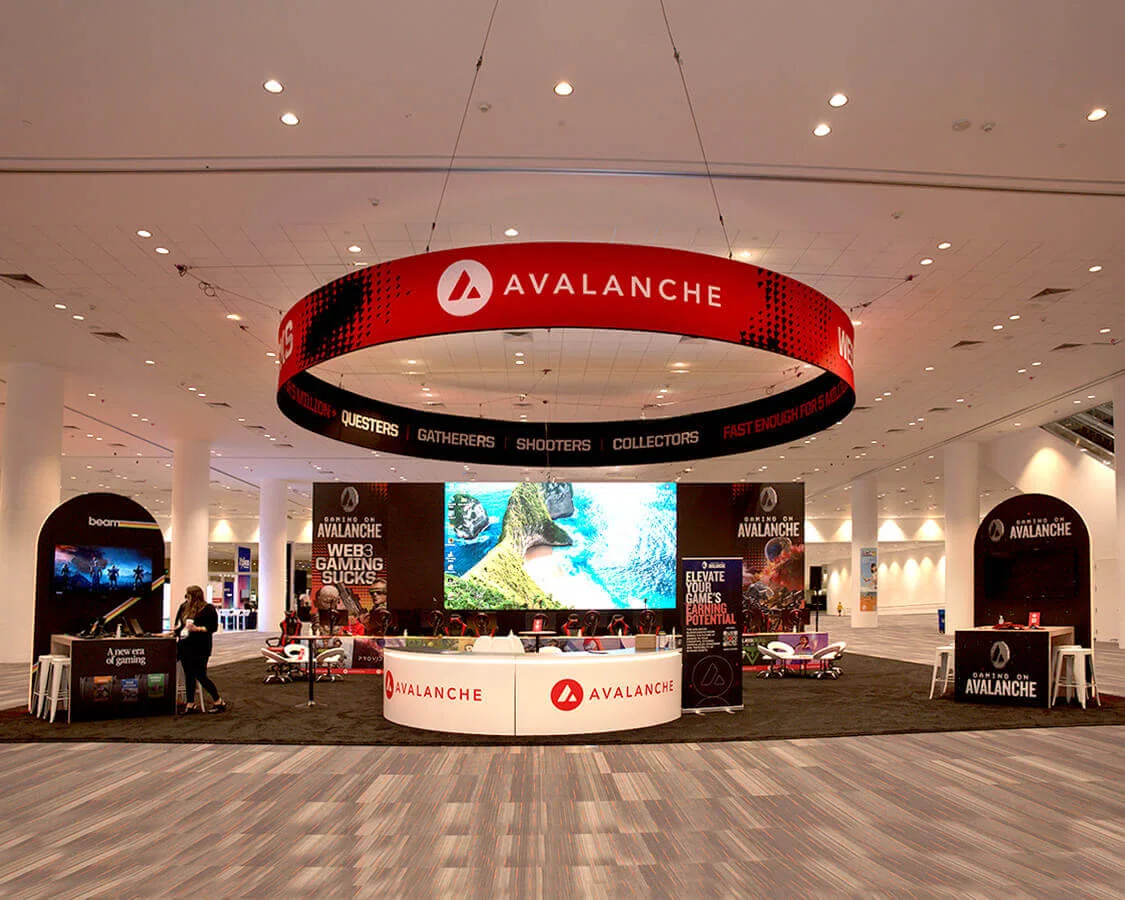
The Charlotte Convention Center provides 600,000 square feet of total space, including 280,000 square feet of exhibit hall space and 154,000 square feet dedicated to breakout sessions. More than 6,400 hotel rooms sit within walking distance in the Uptown core, creating a compact, efficient district that simplifies attendee movement and extends event programming into 200-plus nearby restaurants and bars.
Successful convention coordination in Charlotte requires precise alignment of venue capabilities, sector-specific content, attendee logistics, and sponsor deliverables. The market draws strength from its position as the second-largest financial center in the United States, a top manufacturing hub, a growing life-sciences corridor, and the center of American motorsports.
Planners benefit from Charlotte Douglas International Airport’s 53.6 million passengers in 2025 and nonstop service to more than 188 destinations. This connectivity, paired with 13 percent five-year workforce growth and 19 Fortune 1000 headquarters, creates sustained demand for conventions that blend education, networking, exhibits, and experiential hospitality.
Charlotte’s Strategic Advantages as a Convention Host
Charlotte Meetings positions the city as the Southeast’s premier convention destination. The region’s 3.2 million residents and 1.7 million labor force support both local attendance and professional staffing needs. Thirteen percent workforce growth over five years and the addition of more than 8,400 jobs from foreign direct investment since 2022 have expanded the pool of corporate, technical, and international participants.
Nineteen Fortune 1000 headquarters span financial services, retail, manufacturing, aerospace, and technology. This corporate density creates consistent demand for conventions that require substantial exhibit space, multiple breakout rooms, and premium hospitality. The unified CRVA structure manages destination sales, marketing, and venue operations, providing planners with streamlined support for citywide events.
Job growth momentum placed the Charlotte metro second nationally among large markets by the end of 2025. Combined with more than 1,000 international businesses, the market supports conventions that attract both domestic field teams and global stakeholders. Planners can design programs that capitalize on proximity between the convention center, sports venues, and adaptive-reuse spaces.
- Second-largest U.S. financial center
- Top-10 manufacturing market in North Carolina
- Growing life-sciences and healthcare cluster
- Motorsports industry leadership
- Strong logistics and international business corridor
Charlotte Convention Center and the Uptown Core
The Charlotte Convention Center serves as the primary venue for citywide conventions, trade shows, and multi-track association meetings. Its 280,000 square feet of exhibit space accommodates large-scale displays while 154,000 square feet of breakout space supports concurrent educational sessions. The facility sits at the heart of an Uptown district that concentrates multiple full-service hotels, the NASCAR Hall of Fame, and entertainment options.
Adjacent properties include the Westin Charlotte, Hilton Charlotte Uptown, Charlotte Marriott City Center, Omni Charlotte Hotel, and JW Marriott Charlotte. This concentration allows planners to secure headquarters hotels and satellite meeting space within easy walking distance, reducing transportation requirements and increasing attendee time for networking and sessions.
The Uptown framework supports conventions that extend beyond daytime programming. Evening hospitality, sponsor receptions at the NASCAR Hall of Fame, and dinners at nearby restaurants become natural extensions of the official agenda. Planners can coordinate smooth transitions between exhibit floors, breakout rooms, and off-site activations without leaving the central business district.
- 600,000 total square feet
- 280,000 square feet of exhibit hall space
- 154,000 square feet of breakout and meeting space
- 6,400 walkable hotel rooms
- Immediate proximity to NASCAR Hall of Fame
Expanded Capacity in the Concord and Cabarrus Corridor
North of Uptown, Concord and Cabarrus County offer complementary convention inventory that supports overflow attendance, consumer-facing elements, or specialized programming. The Embassy Suites Charlotte Concord and attached convention center, Cabarrus Arena & Events Center, Great Wolf Lodge, and Charlotte Motor Speedway-adjacent properties create a secondary cluster suited for hybrid or multi-venue conventions.
These venues accommodate drive-in audiences from the broader 15-county region while maintaining reasonable travel times from CLT airport. Motorsports-themed conventions frequently utilize the speedway and Ten Tenths Motor Club for experiential components, product demonstrations, or hospitality that would be difficult to replicate in traditional ballroom settings.
Planners can coordinate shuttles or attendee routing between Uptown and Concord when a single venue cannot accommodate total registration. This flexibility proves especially valuable for conventions that combine technical sessions in the convention center with larger general sessions or consumer showcases in arena-style facilities.
Industry Alignment and Programming Strategies
Banking and financial services constitute a foundational demand driver. As the nation’s second-largest financial center, Charlotte hosts conventions focused on executive leadership, regulatory compliance, technology innovation, and recruiting. These events benefit from proximity to corporate headquarters and the ability to secure high-profile speakers from the local business community.
Advanced manufacturing, life sciences, logistics, motorsports, and technology sectors each contribute distinct requirements. Manufacturing conventions often incorporate plant tours or supplier exhibitions. Life-sciences and healthcare events require careful attention to compliance standards and demonstration protocols. Motorsports programs leverage the region’s racing heritage for immersive brand experiences and VIP hospitality.
Technology and innovation conferences utilize adaptive-reuse venues such as Camp North End or the Fillmore for unique session environments. Planners can coordinate content tracks that reflect Charlotte’s economic strengths while still delivering the broad educational and networking value expected at national conventions.
- Finance-led executive and recruiting events
- Manufacturing supplier expos and demonstrations
- Healthcare education with compliant execution
- Motorsports brand launches and hospitality
- Technology conferences in creative settings
Coordinating Essential Convention Service Elements
Effective convention services begin with registration systems that scale to thousands of attendees while integrating badge printing, mobile apps, and session tracking. Planners must coordinate real-time data flows between registration, exhibit leads, and post-event CRM platforms. Charlotte’s corporate density supports events where attendees expect smooth digital experiences from arrival through departure.
Audiovisual requirements for general sessions, breakouts, and exhibit-floor theaters demand precise technical planning. Lighting, sound, staging, and streaming capabilities must align with both the convention center’s infrastructure and the unique acoustics of adaptive venues. Simultaneous interpretation, audience response systems, and hybrid broadcasting further complicate technical coordination.
Catering, security, transportation, and move-in/move-out scheduling require detailed timelines that account for Charlotte’s traffic patterns, hotel ballroom commitments, and airport arrival windows. Successful planners build contingency protocols that maintain program quality even when unexpected variables arise.
- Scalable attendee registration platforms
- Integrated AV and digital presentation systems
- Compliant food and beverage management
- Security protocols and access control
- Transportation routing between venue clusters
- Detailed exhibitor installation schedules
Sponsor Activation and Hospitality Execution
Sponsorship activation has become central to convention ROI. Charlotte’s venue mix allows sponsors to move beyond booth space into hospitality suites at the NASCAR Hall of Fame, experiential builds at Spectrum Center, or private dinners at the Ballantyne. These extensions create measurable engagement opportunities that justify higher sponsorship investment.
Planners coordinate sponsor deliverables across multiple touchpoints: exhibit presence, speaking slots, hospitality events, and digital recognition. The market’s financial and manufacturing base supports sophisticated activations that align with corporate objectives while respecting the overall event theme and flow.
Hospitality planning leverages the 200-plus Uptown dining options and hotel properties for private receptions, VIP tours, and client entertainment. When coordinated effectively, these elements transform a standard convention into a memorable experience that strengthens relationships and improves sponsor retention for future years.
Attendee Logistics and Experience Optimization
Charlotte Douglas International Airport’s extensive nonstop network simplifies national and international attendance. Planners can design arrival incentives, coordinated ground transportation, and welcome experiences that begin the moment attendees land. The airport’s 188 destinations reduce connection complexity and travel fatigue.
Within the market, walkable Uptown infrastructure minimizes internal transit time. Attendees can move efficiently between hotels, the convention center, and evening events. For programs that utilize both Uptown and Concord venues, strategic shuttle schedules and clear wayfinding become critical coordination tasks.
Post-event surveys, session analytics, and lead retrieval systems help planners quantify success and identify improvements. Charlotte’s growth trajectory supports recurring conventions that build on previous data to refine programming, sponsorship packages, and attendee experience year over year.
- Airport arrival pattern optimization
- Walkable district navigation support
- Multi-venue attendee routing plans
- Digital engagement and feedback tools
- Longitudinal event performance tracking
Future-Proofing Conventions in a Growing Market
Charlotte’s continued expansion creates both opportunities and planning considerations. New hotel inventory, evolving venue capabilities, and shifting corporate priorities require conventions to remain adaptable. Planners who establish strong foundational coordination processes can scale programs as the market adds capacity and attracts new industry segments.
The combination of established convention infrastructure and emerging activation venues positions Charlotte for hybrid events that blend in-person networking with virtual participation. Technology integration, sustainability practices, and inclusive programming have become baseline expectations that influence site selection and sponsor interest.
By treating convention services as an integrated planning discipline rather than isolated tactical tasks, organizers achieve higher attendee satisfaction, stronger sponsor outcomes, and more accurate measurement of overall event value. Charlotte’s market momentum rewards those who coordinate with foresight and precision.
Frequently Asked Questions About Convention Services in Charlotte
What are the key specifications of the Charlotte Convention Center?
The facility totals 600,000 square feet with 280,000 square feet of exhibit hall space and 154,000 square feet of breakout and meeting space. More than 6,400 hotel rooms are located within walking distance in the Uptown district.
Which industries drive convention demand in Charlotte?
Banking and financial services, advanced manufacturing, life sciences and healthcare, logistics, motorsports, and technology represent the primary sectors. The region’s 19 Fortune 1000 headquarters and strong job growth create consistent corporate convention activity.
How does Charlotte Douglas International Airport benefit convention planners?
The airport handled 53.6 million passengers in 2025 and offers nonstop service to more than 188 destinations. This connectivity supports efficient national and international attendee travel for conventions drawing participants from across the country and beyond.
What venues complement the Charlotte Convention Center?
Uptown hotels such as the Westin Charlotte, Hilton Charlotte Uptown, and Charlotte Marriott City Center provide headquarters and breakout space. The Concord corridor offers the Cabarrus Arena & Events Center, Embassy Suites convention facilities, and Charlotte Motor Speedway for specialized programming.
How can planners incorporate motorsports heritage into conventions?
The NASCAR Hall of Fame, Charlotte Motor Speedway, and related venues enable sponsor activations, VIP hospitality, product demonstrations, and experiential elements that differentiate Charlotte from other Southeast convention destinations.
What approach should organizers take for sponsor activation?
Successful activation coordinates exhibit presence with hospitality events, speaking opportunities, and experiences at adaptive venues. Charlotte’s mix of corporate headquarters, walkable dining, and unique attractions supports sophisticated sponsorship programs that deliver measurable ROI.