
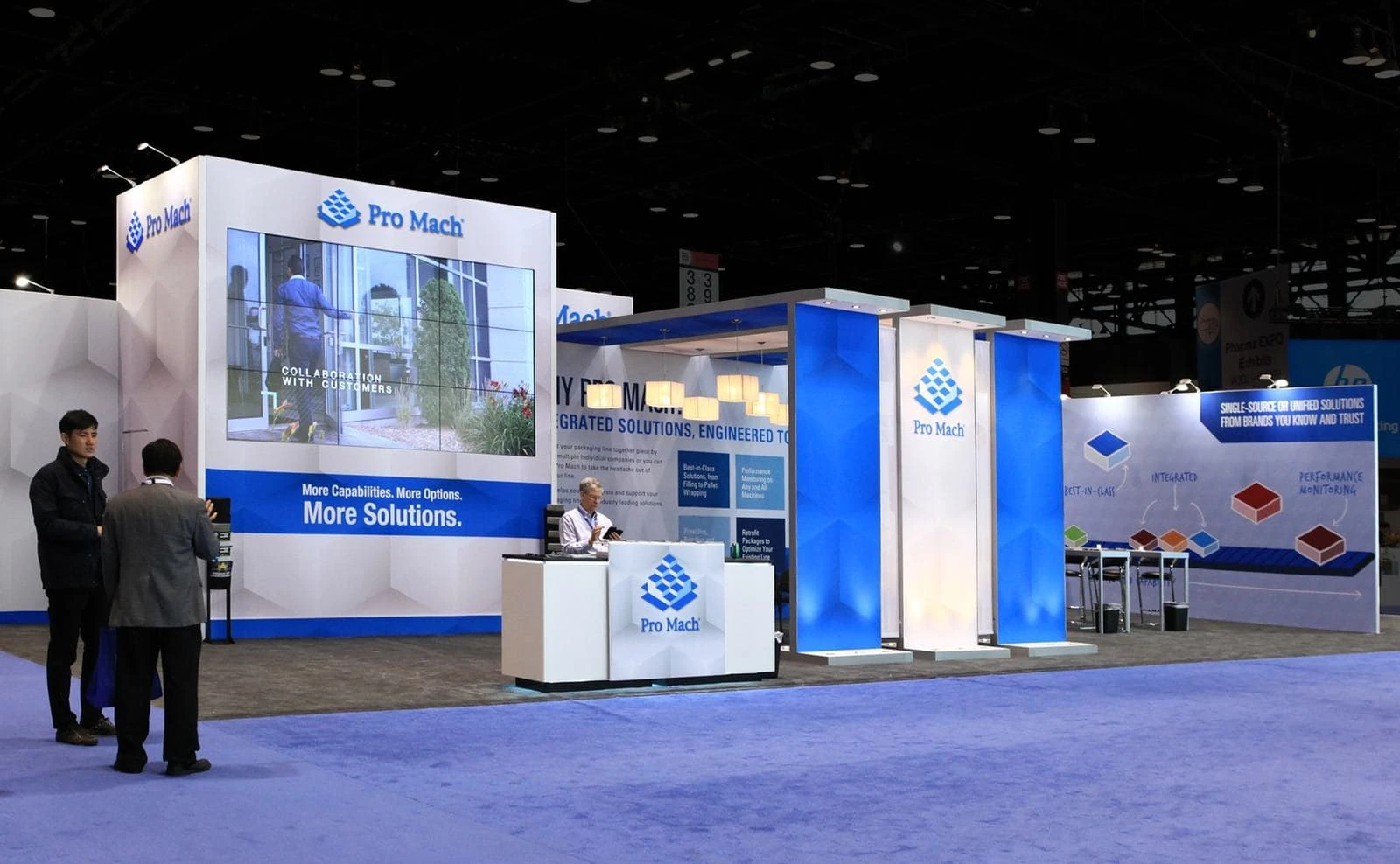
The Charlotte region has solidified its role as a hub for industrial trade shows through its position as a top-10 manufacturing market in North Carolina and the presence of multiple Fortune 1000 headquarters in manufacturing, aerospace, and technology. With a regional population of 3.2 million, a labor force of 1.7 million, and 13 percent workforce growth over five years, the area supplies a steady stream of qualified attendees for supplier expos, plant-network meetings, industrial demonstrations, and distributor events. The Charlotte Convention Center supplies 280,000 square feet of exhibit hall space within a 600,000-square-foot facility, allowing room for technical displays and breakout sessions that match the operational scale these programs require.
Global air access through Charlotte Douglas International Airport, which handled 53.6 million passengers in 2025 with nonstop service to more than 188 destinations, simplifies national and international participation. More than 1,000 international businesses operate in the region, supported by over 8,400 jobs created through foreign direct investment since 2022. This environment enables planners to build attendee lists that blend domestic manufacturing leaders with global partners. The unified destination structure managed by the CRVA further streamlines coordination across the Charlotte Convention Center, nearby hotels, and secondary sites in Concord and Cabarrus County.
Successful industrial events in Charlotte align exhibit requirements with the market’s job-growth momentum, which ranked second nationally among large U.S. Metros by the end of 2025. Planners focus on venues that accommodate both formal presentations and hands-on demonstrations while leveraging the walkable Uptown district’s 6,400 hotel rooms and the broader venue ecosystem that includes adaptive-reuse spaces and executive conference properties.
Charlotte’s Manufacturing Momentum as a Foundation for Industrial Events
The Charlotte Region’s status as a top-10 manufacturing market in the state creates natural demand for industrial trade shows. The CLT Alliance reports 19 Fortune 1000 headquarters spanning manufacturing, aerospace, and technology, providing exhibitors with direct pathways to corporate procurement and engineering leaders. Supplier expos and distributor events benefit from this concentration because decision-makers are already located within a compact geographic radius.
Thirteen percent workforce growth over five years and second-place national job growth among large metros at the end of 2025 indicate a steadily expanding audience of operations managers, supply-chain professionals, and technical specialists. These demographics respond well to programs that combine product demonstrations with discussions on plant efficiency, automation, and regulatory compliance. Planners therefore schedule industrial exhibitions to coincide with periods of peak corporate activity rather than traditional seasonal windows.
Foreign direct investment has added more than 8,400 jobs since 2022, bringing the total number of international businesses in the region above 1,000. This influx supports programming that addresses global supply chains, imported equipment standards, and cross-border partnership development within the context of a single trade show floor.
- 19 Fortune 1000 headquarters with manufacturing exposure
- 13 percent five-year labor force growth
- Second nationally in job growth for large metros by end of 2025
- More than 8,400 FDI-created jobs since 2022
Convention Center Capacity Matched to Industrial Exhibit Requirements
The Charlotte Convention Center supplies 280,000 square feet of exhibit hall space and 154,000 square feet of breakout space inside a 600,000-square-foot facility. These dimensions accommodate full-scale machinery, interactive simulation stations, and multiple concurrent technical sessions typical of industrial trade shows. Its Uptown location places the center within walking distance of more than 6,400 hotel rooms, allowing attendees to move efficiently between exhibit floors and hospitality functions.
Official Charlotte Meetings materials emphasize the center’s role in supporting supplier expos and product showcases that require high ceilings, reinforced flooring, and flexible utility connections. Planners use the adjacent NASCAR Hall of Fame and surrounding hotels for overflow receptions and executive briefings that complement the main exhibit program without fragmenting the attendee experience.
The facility’s design supports both large national shows and regional distributor events. Its proximity to dining and entertainment options in Uptown further enhances the professional atmosphere that industrial audiences expect.
Airport Access and Logistics Infrastructure for National and Global Attendance
Charlotte Douglas International Airport’s record of 53.6 million passengers in 2025 and nonstop service to more than 188 destinations gives industrial exhibitors reliable access for field teams and procurement delegations from across the United States and key international markets. This connectivity proves especially valuable for programs that feature imported equipment or require participation from overseas manufacturing partners.
The region’s established logistics sector, reinforced by foreign direct investment activity, creates an audience already familiar with complex supply-chain conversations. Trade show planners incorporate dedicated sessions on inbound logistics, tariff impacts, and just-in-time inventory strategies that resonate with both domestic and international attendees arriving through CLT.
The airport’s efficiency reduces travel fatigue and allows tighter scheduling of demonstration times, ensuring that key decision-makers from manufacturing headquarters can attend multiple sessions in a single day before returning to plants or offices.
- 53.6 million passengers in 2025
- Nonstop service to more than 188 destinations
- Support for both domestic and international exhibitor teams
Venue Options Across Uptown and the Concord Corridor
The Uptown Convention Core clusters the Charlotte Convention Center with the NASCAR Hall of Fame and multiple headquarters hotels including the Westin Charlotte, Hilton Charlotte Uptown, Charlotte Marriott City Center, Omni Charlotte Hotel, and JW Marriott Charlotte. This concentration supports smooth transitions between formal exhibits and targeted hospitality that industrial sponsors often require.
North of the city, the Concord / Cabarrus Event Corridor offers the Embassy Suites Charlotte Concord with its attached convention center, Cabarrus Arena & Events Center, and additional hospitality at Great Wolf Lodge Concord. These venues accommodate drive-in attendance patterns common among regional plant managers and distributor teams while still providing the square footage needed for equipment displays.
Adaptive-reuse spaces such as Camp North End and SouthPark executive properties supply secondary options for smaller invitation-only demonstrations or leadership briefings that complement the primary trade show. Each cluster aligns with distinct segments of the industrial audience, allowing planners to match venue scale and atmosphere to specific program goals.
- Uptown Convention Core for citywide programs
- Concord / Cabarrus Corridor for regional industrial gatherings
- South Charlotte executive venues for targeted sessions
Audience Development and Demand Drivers in the Industrial Sector
Advanced manufacturing remains a primary demand driver for industrial trade shows in Charlotte. The market supports supplier expos, plant-network meetings, industrial demonstrations, and distributor events that draw from both local headquarters and the broader 15-county region. Life sciences, logistics, and technology sectors intersect with industrial themes, expanding the potential attendee pool beyond traditional factory-focused participants.
The CLT Alliance’s Portrait of Progress documents consistent corporate expansion that creates ongoing need for platforms where vendors can demonstrate new equipment directly to engineering and operations teams. Planners leverage this momentum by designing show floors that combine static displays with live efficiency demonstrations and compliance workshops.
International business activity further enlarges the audience. With more than 1,000 global companies now operating in the region, events can incorporate sessions on export regulations, cross-cultural procurement, and joint-venture opportunities that differentiate Charlotte programs from purely domestic industrial gatherings.
Coordination Frameworks That Align with Regional Business Realities
Effective industrial trade show coordination in Charlotte begins with the CRVA’s unified destination, sales, marketing, and venue-management structure. This single point of contact simplifies permitting, floor-plan approvals, and scheduling across the convention center and affiliated hotels. Planners reference official Charlotte Meetings resources to map exhibit space, breakout rooms, and hospitality venues within the same event district.
Dates are selected to avoid conflict with peak manufacturing cycles while capitalizing on the region’s job-growth trajectory. Programming typically balances heavy-equipment demonstrations in the morning with procurement and networking sessions in the afternoon, matching the decision-making rhythms of regional plant and supply-chain leaders.
Success metrics focus on qualified leads from Fortune 1000 companies, follow-up meetings booked with international partners, and measurable interest in the technologies displayed. The combination of expansive exhibit space, strong air access, and concentrated corporate headquarters gives well-coordinated industrial events in Charlotte above-average return on exhibitor investment.
- Reference CRVA unified planning resources
- Align schedule with manufacturing operational calendars
- Balance demonstration time with targeted networking blocks
Future Outlook for Industrial Exhibitions in the Charlotte Region
Continued workforce expansion and foreign direct investment point toward larger and more specialized industrial trade shows in the years ahead. The addition of new headquarters and manufacturing facilities will increase demand for platforms that showcase automation, sustainable processes, and supply-chain resilience. Charlotte’s convention inventory and airport capacity position the market to absorb this growth without sacrificing service quality.
Planners who understand the interplay between the Uptown core and Concord secondary venues will be able to scale events from regional distributor days to multi-national supplier summits. The presence of aerospace and technology headquarters alongside traditional manufacturing creates opportunities for hybrid programs that cross conventional industry boundaries.
As the Southeast’s premier meeting destination, Charlotte offers industrial exhibitors a stable environment where logistical advantages and corporate density combine to produce tangible business outcomes.
Frequently Asked Questions About Industrial Trade Show Services in Charlotte
How much exhibit space does the Charlotte Convention Center offer for industrial equipment displays?
The Charlotte Convention Center provides 280,000 square feet of exhibit hall space within a 600,000-square-foot facility, along with 154,000 square feet of breakout space suitable for technical sessions and supplier meetings.
What manufacturing strengths make Charlotte suitable for industrial trade shows?
The region ranks as a top-10 manufacturing market in the state, is home to multiple Fortune 1000 headquarters in manufacturing and aerospace, and has experienced 13 percent workforce growth over five years.
Does Charlotte Douglas International Airport support national and international attendance at industrial events?
Yes. The airport handled 53.6 million passengers in 2025 and offers nonstop service to more than 188 destinations, facilitating travel for both domestic procurement teams and international partners drawn by regional foreign direct investment.
Which secondary corridor is frequently used for industrial distributor events?
The Concord / Cabarrus Event Corridor, featuring the Concord Convention Center, Cabarrus Arena & Events Center, and associated hotels, supports regional industrial programs with convenient drive-in access from the north.
How does foreign direct investment influence industrial trade show programming in Charlotte?
More than 8,400 jobs created through foreign direct investment since 2022 and the presence of over 1,000 international businesses enable sessions on global supply chains, equipment standards, and cross-border partnerships.
What unified resource helps coordinate venues and services for industrial exhibitions?
The CRVA provides a single destination sales, marketing, and venue-management structure that covers the Charlotte Convention Center, affiliated hotels, and supporting facilities across Uptown and Concord.