
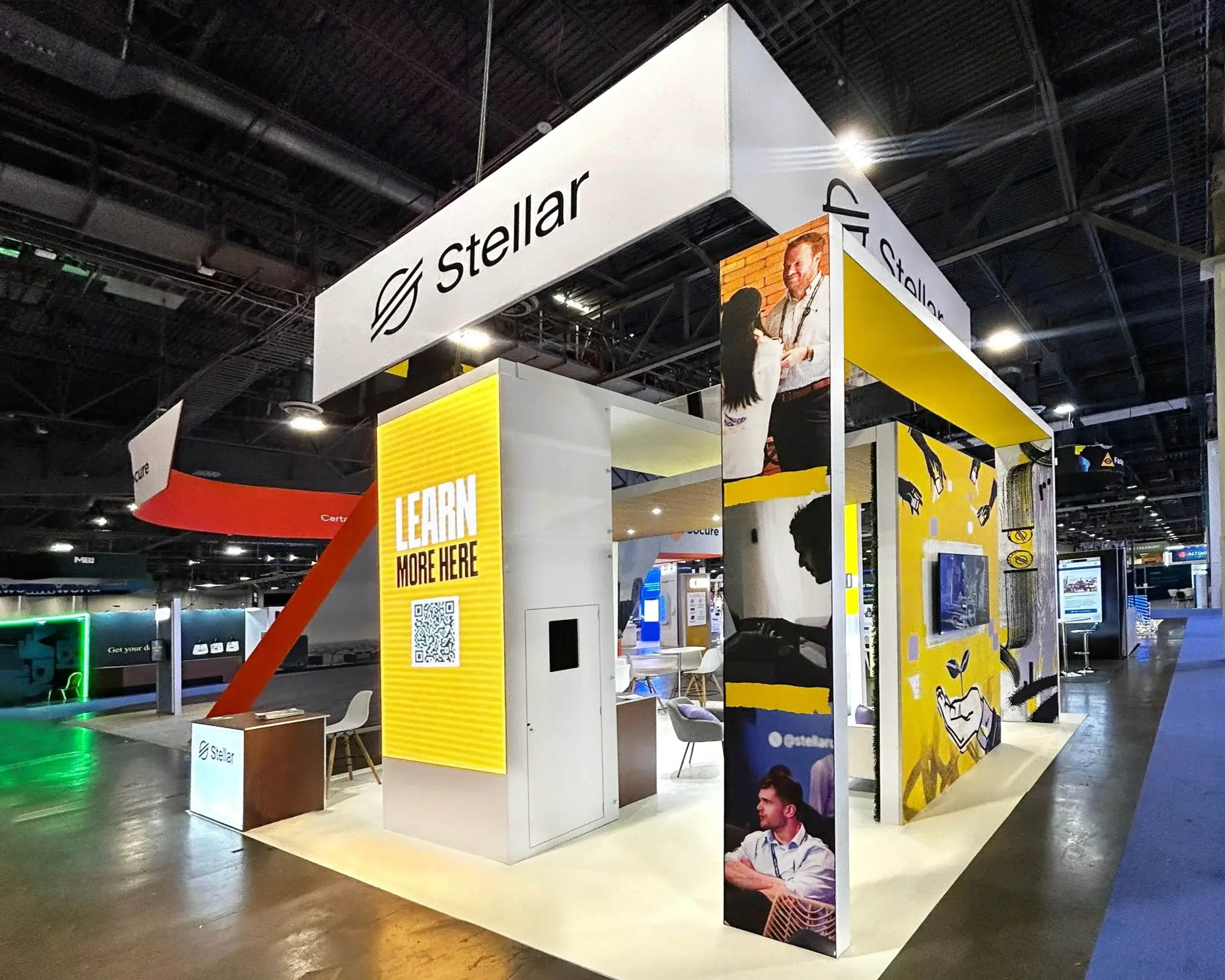
Charlotte maintains its position as the nation’s second-largest financial center, anchoring a regional economy that supports consistent demand for targeted trade shows, annual conferences, and executive programs. The presence of multiple Fortune 1000 headquarters across banking, insurance, and investment services creates natural opportunities for high-value gatherings that connect institutional leaders, technology providers, compliance experts, and emerging fintech innovators.
The Charlotte Convention Center supplies 280,000 square feet of exhibit space within a 600,000-square-foot facility that also includes 154,000 square feet of breakout and meeting rooms. More than 6,400 hotel rooms within walking distance allow planners to concentrate activity in the Uptown core, reducing logistics friction while enabling smooth transitions between educational sessions, exhibit floors, and hospitality functions. Global air access through Charlotte Douglas International Airport, which handled 53.6 million passengers in 2025 with nonstop service to 188 destinations, further strengthens the market’s ability to attract national audiences.
Effective planning for financial services events requires attention to data security, regulatory alignment, executive hospitality standards, and measurable sponsorship outcomes. The region’s 13 percent five-year workforce growth, 1.7 million labor force, and continued job momentum create a receptive environment for both recruiting-focused programs and broader industry dialogue on innovation, compliance, and market strategy.
Charlotte’s Financial Sector Momentum
The Charlotte region’s economic profile directly supports financial services event success. Home to 19 Fortune 1000 headquarters spanning financial services, retail, manufacturing, and technology, the market supplies a deep pool of decision-makers and subject-matter experts. Official regional data show 3.2 million residents and a labor force of 1.7 million that expanded 13 percent over five years, creating sustained demand for both talent-acquisition events and strategic industry conferences.
Job growth ranked second nationally among large U.S. Metros by late 2025, while foreign direct investment added more than 8,400 positions since 2022. These trends translate into expanded audiences for events addressing fintech disruption, regulatory evolution, sustainable investment, and digital transformation. Planners can leverage this corporate density to secure high-caliber speakers, sponsors, and attendees without relying solely on long-distance travel incentives.
The unified destination structure managed by the CRVA streamlines coordination across convention facilities, hotels, and supporting venues. This framework helps financial organizations maintain consistent branding and operational standards across multi-day programs that often blend heavy exhibit components with invitation-only executive sessions.
- Second-largest financial center in the United States
- 19 Fortune 1000 corporate headquarters
- 13 percent five-year workforce expansion
- More than 1,000 international businesses established
Uptown Convention Core Capabilities
The Charlotte Convention Center functions as the primary venue for large-scale financial trade shows and multi-track conferences. Its 280,000 square feet of exhibit space readily accommodates booth programs showcasing compliance software, lending platforms, wealth-management tools, and cybersecurity solutions. Adjacent breakout capacity of 154,000 square feet supports concurrent educational programming on topics ranging from Federal Reserve policy to blockchain applications.
Walkable hotel inventory exceeding 6,400 rooms includes the Westin Charlotte, Hilton Charlotte Uptown, Charlotte Marriott City Center, Omni Charlotte Hotel, and JW Marriott Charlotte. These properties serve effectively as headquarters hotels, speaker lodging, and satellite function spaces, enabling tight scheduling that respects the time constraints of busy financial professionals.
The Uptown district concentrates dining, entertainment, and networking venues within easy reach, allowing evening receptions and client dinners to reinforce daytime content. This density improves overall attendee satisfaction and increases incidental interaction between sponsors and prospects.
- 280,000 square feet of dedicated exhibit space
- 154,000 square feet of flexible breakout rooms
- 6,400 hotel rooms within walking distance
- Direct proximity to Uptown business and lifestyle amenities
Airport Access and National Reach
Charlotte Douglas International Airport’s scale and connectivity give financial event planners a logistical advantage. With 53.6 million passengers recorded in 2025 and nonstop flights to more than 188 destinations, the airport simplifies travel for executives arriving from New York, Chicago, London, and West Coast financial hubs. Reduced layover times and reliable schedules support tighter program calendars and higher attendance confirmation rates.
This connectivity proves especially valuable for events that combine national association meetings with regional recruiting or product launches. Organizers can build attendee lists that balance Southeast banking professionals with broader representation from money-center institutions and international firms. The resulting diversity strengthens panel discussions and widens sponsorship appeal.
Proximity to the convention district minimizes ground transportation requirements, preserving attendee energy for content sessions rather than logistics. Planning resources emphasize early flight monitoring and contingency protocols to maintain program integrity even during peak travel seasons.
Sponsorship Activation and Brand Compliance
Financial services sponsors require activations that project stability, innovation, and regulatory awareness. Charlotte venues allow for both expansive exhibit halls and smaller, controlled environments where technology demonstrations can occur under appropriate data-security protocols. Coordination focuses on clear technical specifications, power requirements, and network infrastructure that meet institutional standards.
Hospitality components frequently incorporate private meeting spaces for prospect conversations, advisory-board dinners, or C-suite briefings. The NASCAR Hall of Fame and select adaptive-reuse properties in the activation zone can serve as distinctive backdrops for evening events when thematic alignment exists, provided branding remains consistent with sector expectations.
Measurement frameworks track not only booth traffic but qualified conversations, content downloads, and post-event pipeline impact. Early integration of these metrics into planning documents helps sponsors justify investment and guides future program adjustments.
- Compliant exhibit and demonstration zones
- Executive lounge and private meeting suites
- Secure Wi-Fi and data-handling infrastructure
- Post-event engagement and pipeline analytics
Complementary Venues Across the Region
While the Uptown core handles the majority of large financial programs, secondary clusters expand options. The Concord / Cabarrus corridor, led by the Embassy Suites Concord Convention Center and Cabarrus Arena & Events Center, suits mid-sized conferences or hybrid formats that benefit from additional parking and drive-in access. These venues maintain professional standards suitable for financial audiences while offering a change of pace from center-city density.
South Charlotte locations such as the Ballantyne, a Luxury Collection Hotel, and Harris Conference Center excel for smaller executive symposia, investor roundtables, or leadership development programs. Their polished environments and lower attendee counts create intimate settings that support confidential discussions common in wealth management and private equity circles.
Adaptive-reuse spaces in South End and University City provide further flexibility for technology showcases, client receptions, or innovation-focused side events tied to larger conventions. Planners evaluate each option against audience size, security needs, and desired atmosphere to optimize overall program flow.
Strategic Audience Development and Logistics
The 15-county Charlotte Region allows targeted outreach to financial professionals in multiple submarkets including SouthPark, Ballantyne, University City, Huntersville, Monroe, and Gastonia. Corporate headquarters concentration supports direct partnership opportunities that improve registration quality and session attendance. Regional growth in technology and life sciences sectors also enables cross-industry programming on topics such as embedded finance and insurtech.
Logistics planning emphasizes clear timelines for exhibit installation, technology testing, and security briefings. With right-to-work statutes and business-friendly policies, the market maintains reliable service availability, though planners still build buffer time for regulated industries that require additional compliance reviews.
Post-event surveys and data aggregation close the loop, providing organizers with actionable insights on content resonance, sponsor performance, and future programming priorities. This disciplined approach helps financial services events maintain relevance and deliver consistent organizational value.
- Targeted outreach across 15-county region
- Corporate headquarters partnership channels
- Cross-sector programming opportunities
- Structured post-event measurement protocols
Compliance, Security, and Executive Experience
Financial events operate under heightened expectations for data privacy, cybersecurity, and content accuracy. Planning resources stress early identification of these requirements so venue infrastructure and supporting services can be aligned in advance. Secure network segmentation, badge protocols, and controlled access points help maintain the trust essential to the sector.
Executive experience remains central. From streamlined registration to refined catering and punctual session starts, every operational detail reinforces the professionalism of the hosting organization. Charlotte’s inventory of luxury and upscale hotels supports this standard while keeping the majority of activity within a compact, walkable district.
Successful programs balance regulatory seriousness with opportunities for genuine connection. When executed with precision, these events strengthen industry relationships, accelerate technology adoption, and position participating organizations as thought leaders within the financial community.
Frequently Asked Questions
Why does Charlotte attract financial services conferences and trade shows?
As the second-largest financial center in the United States with 19 Fortune 1000 headquarters and strong job growth, Charlotte offers direct access to banking leaders, fintech innovators, and a growing professional workforce.
What are the key specifications of the Charlotte Convention Center?
The facility includes 280,000 square feet of exhibit space, 154,000 square feet of breakout and meeting rooms, and more than 6,400 walkable hotel rooms in the surrounding Uptown district.
How does Charlotte Douglas International Airport benefit event planners?
The airport recorded 53.6 million passengers in 2025 and provides nonstop service to over 188 destinations, enabling convenient national and international attendance with minimal travel disruption.
Which venue clusters work best for financial industry events?
Uptown Charlotte handles large-scale conventions and conferences, while South Charlotte properties support executive meetings and the Concord corridor offers additional mid-sized and drive-in options.
What compliance factors should organizers consider?
Early attention to data security, secure networking, content vetting, and regulatory alignment helps ensure events meet institutional standards while maintaining smooth operational flow.
Can financial events incorporate hospitality or off-site activations?
Yes. Uptown hotels, the NASCAR Hall of Fame, and select adaptive-reuse venues provide distinctive settings for receptions and sponsor hospitality when aligned with professional branding expectations.