
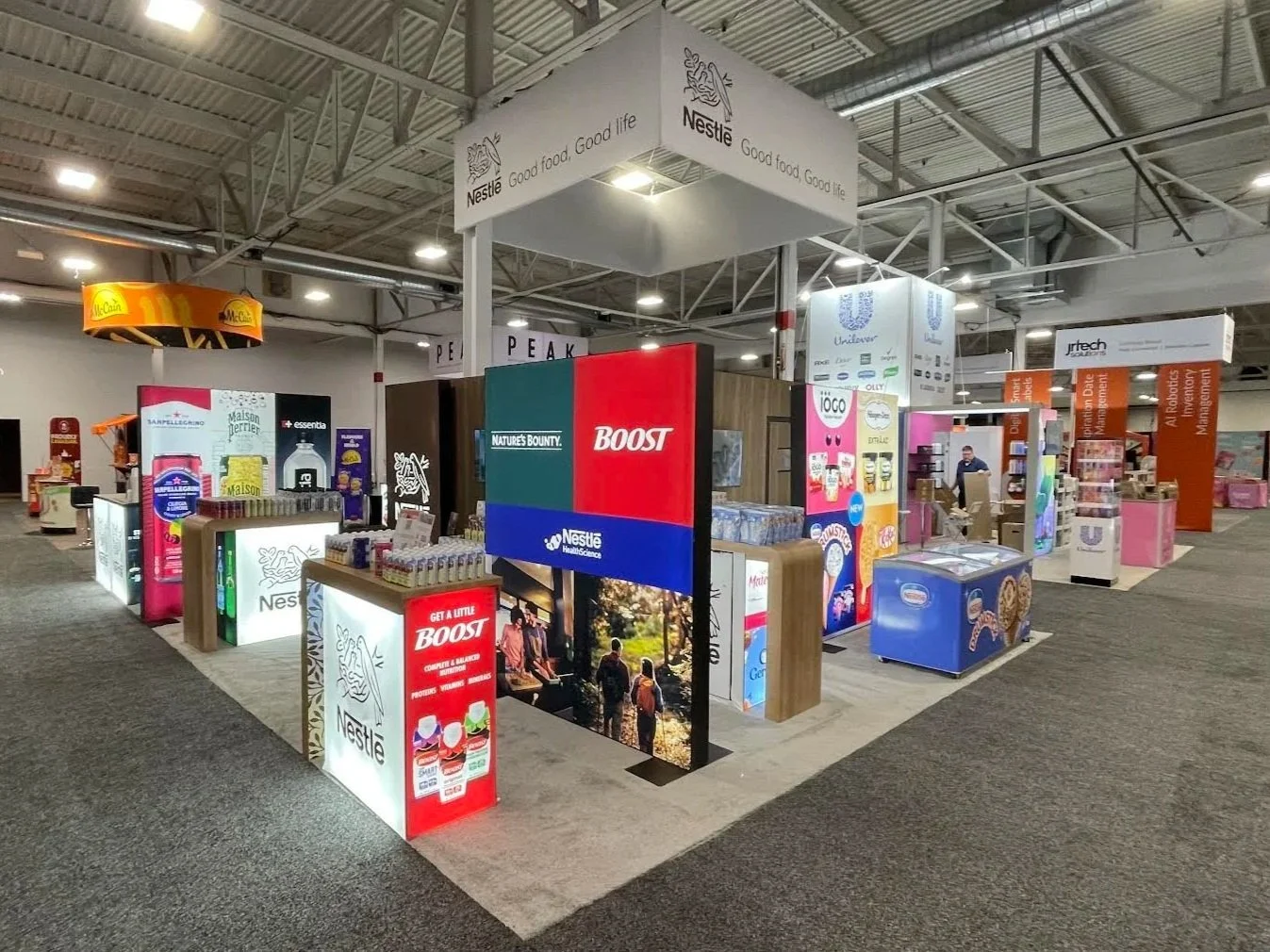
With the Charlotte Convention Center providing 280,000 square feet of exhibit hall space and the city serving as a hub for 19 Fortune 1000 companies, exhibitors face constant pressure to present polished, up-to-date displays. Booth refurbishment involves repairing wear, updating surfaces, and refreshing graphics, while reconfiguration focuses on rearranging modular elements to fit new floor plans or incorporate new features.
Trade Show Services of Charlotte functions as a planning and coordination partner, offering authoritative guidance on how to approach these projects efficiently. By leveraging knowledge of the regional market—supported by 1.7 million in the labor force and strong five-year workforce growth—exhibitors can make informed decisions that align their physical assets with business development goals in this dynamic Southeast destination.
Charlotte’s position as a convention leader, with more than 6,400 walkable hotel rooms and easy global access through Charlotte Douglas International Airport’s 188 nonstop destinations, means exhibits often serve multiple events per year. Coordinated refurbishment and reconfiguration help protect that investment and ensure consistent brand representation.
Why Booth Refurbishment Matters in Charlotte’s Competitive Environment
Charlotte has solidified its reputation as the Southeast’s premier meeting and convention destination. The combination of extensive exhibit space, diverse venue options ranging from the Uptown core to the Concord corridor, and a business community that includes substantial international representation creates an environment where first impressions are critical. A booth that looks dated or damaged can undermine even the strongest product offerings or sales messaging.
Refurbishment addresses physical wear from repeated drayage, installation, and dismantle cycles that are common when participating in the area’s active show schedule. Reconfiguration takes this further by allowing the same investment to serve different purposes—perhaps shifting emphasis from product display to interactive demonstrations or from large island footprints to more compact inline configurations as show participation evolves.
With the Charlotte Region adding jobs at a pace that ranked second nationally among large metros by the end of 2025 and attracting more than 8,400 positions from foreign direct investment since 2022, the pool of sophisticated attendees and prospects continues to expand. Updated exhibits signal that a company is current, attentive to detail, and committed to quality.
Planning these projects with an experienced coordination resource helps ensure that every decision—from color schemes to structural modifications—supports overarching marketing objectives while respecting budget parameters.
The Planning Process for Successful Refurbishment and Reconfiguration
Effective booth updates begin with a thorough assessment of the current exhibit’s structural integrity, component inventory, and visual condition. This evaluation identifies which elements can be preserved, which require repair, and which should be replaced to meet contemporary expectations. Coordination at this stage prevents small issues from becoming costly problems during show site setup.
Reconfiguration planning requires detailed review of upcoming event floor plans, expected attendance patterns, and desired visitor flow. In a market with venues as varied as the 600,000-square-foot Charlotte Convention Center, the Cabarrus Arena & Events Center, and adaptive spaces like Camp North End, flexibility becomes a core requirement. Modular systems that can be rearranged efficiently provide significant advantages.
Graphic and messaging updates are typically central to any refurbishment project. These elements communicate new product lines, refreshed corporate identities, or campaign-specific themes. Coordinating the production of high-resolution, durable graphics ensures they survive multiple uses while maintaining visual sharpness.
Finally, integration of modern technologies such as LED video walls or interactive displays can be incorporated during reconfiguration, transforming an older booth into a forward-looking experience that aligns with today’s attendee preferences.
- Assess current booth condition thoroughly
- Review upcoming show specifications and space assignments
- Update branding and messaging to reflect current priorities
- Evaluate opportunities for technology integration
- Align timeline with logistics and installation schedules
Adapting to Charlotte’s Major Venue Requirements
The Charlotte Convention Center and supporting venues throughout Uptown and beyond each present unique considerations for exhibit design and setup. Understanding these parameters early in the refurbishment planning phase helps avoid last-minute adjustments that increase costs and stress. Whether preparing for an event in the main exhibit halls or a specialized activation at Spectrum Center or the Fillmore, the booth must comply with all relevant guidelines while maximizing presence.
Reconfiguration often involves adjusting dimensions, heights, and access points to suit specific show footprints. The region’s mix of large-scale convention facilities and more intimate executive conference spaces at locations like the Ballantyne or Harris Conference Center means the same exhibit may need to perform effectively in dramatically different environments over the course of a year.
Planning resources that understand the full spectrum of Charlotte-area options—from the NASCAR Hall of Fame to Rock Hill Sports & Event Center in South Carolina—can recommend reconfiguration approaches that preserve versatility. This adaptability is particularly valuable for companies that participate in both B2B conferences and consumer-oriented expos within the Charlotte market.
The unified destination management structure provided by the CRVA helps streamline certain aspects of event planning, but exhibitors still benefit from dedicated coordination of their individual booth assets to ensure smooth execution across venues.
Technology and AV Integration in Refurbished Exhibits
Modern trade show booths increasingly rely on digital elements to engage attendees. During refurbishment, opportunities arise to integrate LED walls, enhanced lighting designs, and interactive video components that were not part of the original build. These upgrades can dramatically increase dwell time and message retention without requiring a complete redesign.
Charlotte’s position as a technology and aerospace center, supported by its corporate headquarters depth, means many exhibiting companies are expected to demonstrate innovation in their displays as well as their products. Coordinating the addition of AV production elements during the reconfiguration phase ensures technical compatibility and optimal placement within the booth layout.
Careful planning also addresses power requirements, data connections, and equipment mounting so that the refreshed booth functions reliably from the moment of installation. This integration work, when properly coordinated, transforms a standard exhibit into a dynamic brand experience.
By addressing technology needs as part of a larger refurbishment project, exhibitors avoid the inefficiency of multiple separate interventions and create a cohesive presentation that supports both in-person and hybrid event formats common in today’s marketplace.
- Assess current technology capabilities
- Identify high-impact digital upgrades
- Ensure compatibility with existing structure
- Plan for reliable power and connectivity
- Test integrations prior to shipment
Logistics and Shipping Coordination for Updated Booths
Once refurbishment and reconfiguration work is complete, the focus shifts to safe transport and timely arrival at the chosen Charlotte venue. Proper coordination with experienced logistics partners protects the investment in updated components and prevents damage that would necessitate immediate repairs upon arrival.
The region’s excellent air access via Charlotte Douglas International Airport, which handled 53.6 million passengers in 2025, facilitates movement of both personnel and materials. However, advance planning for drayage, material handling, and storage remains essential, particularly when exhibits are rotating between multiple national shows and the Charlotte market.
Effective project management includes detailed scheduling that accounts for lead times at refurbishment facilities, shipping windows, and installation labor coordination. This comprehensive approach minimizes downtime between events and ensures the refreshed booth is ready to perform at peak levels.
Asset management strategies that include proper storage between shows further extend the return on refurbishment investments. When exhibits are protected from environmental damage and carefully cataloged, future updates can be executed more efficiently and cost-effectively.
Measuring Success and Planning for Future Updates
After implementing booth refurbishment and reconfiguration, tracking performance metrics helps validate the investment and inform subsequent decisions. Key indicators include lead volume, engagement duration, brand recall, and sales outcomes relative to previous events. In Charlotte’s data-rich corporate environment, many exhibitors leverage these insights to refine their approach continuously.
A well-executed update project should deliver measurable improvements in visual appeal, functionality, and attendee interaction. Coordination resources can assist in establishing appropriate benchmarks and evaluation methods tailored to specific industry verticals and show types prevalent in the Southeast.
Long-term exhibit asset management treats the booth as a capital investment rather than a one-time expense. Regular refurbishment cycles scheduled at appropriate intervals help maintain value and prevent the need for emergency replacements that disrupt marketing plans.
The combination of Charlotte’s economic vitality, with 3.2 million residents across a 15-county region, and its role as a business destination creates ongoing opportunities for companies that present professional, contemporary exhibits. Strategic planning ensures those opportunities are maximized event after event.
- Define clear success metrics before the show
- Collect attendee feedback on booth experience
- Compare performance against prior configurations
- Document lessons for the next update cycle
- Maintain detailed asset inventories for efficiency
Common Questions About Booth Refurbishment and Reconfiguration
What is the typical timeline for planning booth refurbishment in Charlotte?
Planning should begin at least three to six months before the target show date, depending on the scope of work. This allows sufficient time for assessment, design approvals, production, and coordination with shipping schedules to ensure the updated booth arrives ready for installation at venues like the Charlotte Convention Center.
How does reconfiguration differ from a complete booth replacement?
Reconfiguration utilizes as many existing components as possible, modifying the layout, adding new elements, or subtracting others to fit new requirements. This approach is significantly more cost-effective than full replacement while still delivering a fresh appearance and updated functionality for Charlotte events.
Can refurbishment incorporate new technology and AV features?
Yes, refurbishment projects frequently include integration of updated lighting, video walls, interactive screens, and other digital components. Coordinating these additions during the reconfiguration process ensures they are properly integrated into the overall booth design and compliant with venue power and setup regulations.
What factors should be considered when budgeting for booth updates in the Charlotte market?
Budget planning should account for assessment, design, materials, production, shipping, installation coordination, and potential storage. The presence of numerous Fortune 1000 companies and international businesses in the region often means higher expectations for exhibit quality, making strategic investment in refurbishment a wise choice for long-term savings.
How does Charlotte’s convention growth affect exhibit strategy?
With strong job growth, expanding foreign investment, and a large convention center, competition for attention is intense. Regular refurbishment and flexible reconfiguration help exhibitors keep their displays current, ensuring they can adapt to different event types across Uptown, Concord, and South Charlotte venues.