
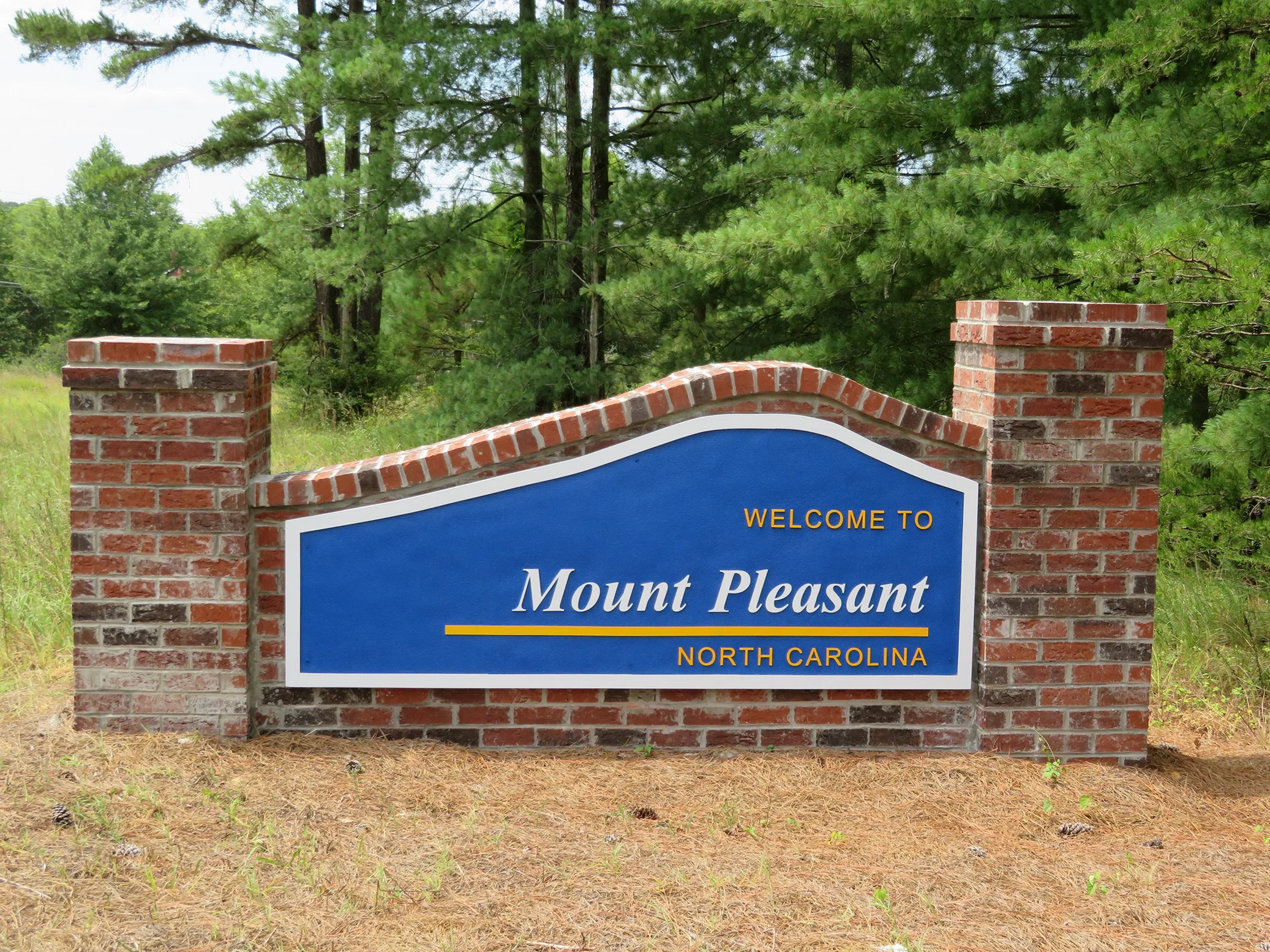
Mount Pleasant sits in Cabarrus County as part of the dynamic Charlotte metropolitan landscape, offering event organizers a practical location that connects small-town accessibility with the Southeast’s expanding convention infrastructure. The area benefits from proximity to dedicated event corridors while participating in the broader economic and logistical advantages that have positioned Charlotte as a premier meetings destination.
With a regional population of 3.2 million, a labor force of 1.7 million, and documented 13 percent five-year workforce growth, Mount Pleasant events can draw from a deep pool of potential attendees across multiple industries. Charlotte Douglas International Airport further strengthens this position by providing nonstop service to more than 188 destinations and handling 53.6 million passengers in 2025.
Effective planning and coordination for Mount Pleasant trade shows focuses on aligning venue selection, transportation logistics, audience development, and service integration with the verified strengths of the Charlotte market rather than isolated local operations.
Mount Pleasant’s Place in the Charlotte Regional Economy
Mount Pleasant participates in the larger 15-county Charlotte Region that reports 3.2 million residents and 1.7 million people in the labor force. The area has experienced 13 percent workforce growth over five years, creating a steadily expanding base of professionals and consumers who can support trade shows, industry conferences, and corporate events. This demographic scale allows planners to target both specialized B2B audiences and broader consumer segments without relying on any single municipality.
The region maintains 19 Fortune 1000 corporate headquarters spanning financial services, retail, food services, manufacturing, aerospace, and technology. These companies generate consistent demand for product demonstrations, supplier exhibitions, training programs, and stakeholder gatherings. When coordinating events with a Mount Pleasant address, organizers can align programming with the priorities of these major employers to improve relevance and attendance.
Recent economic performance reinforces the opportunity. By the end of 2025 the Charlotte metro ranked second nationally for job growth among large U.S. Metros. More than 8,400 new jobs have been added through foreign direct investment since 2022, and the region now includes over 1,000 international businesses. These trends translate into higher volumes of decision-makers who attend trade events and greater interest from global exhibitors seeking Southeast exposure.
- 3.2 million regional population
- 1.7 million labor force participants
- 13 percent five-year workforce growth
- 19 Fortune 1000 headquarters
- Second nationally in large-metro job growth
- 8,400 FDI-created jobs since 2022
Convenient Access to the Concord-Cabarrus Event Corridor
The Concord / Cabarrus Event Corridor functions as the most relevant venue cluster for Mount Pleasant-based programs. Facilities in this corridor accommodate regional conventions, consumer shows, enthusiast events, corporate hospitality, and drive-in attendance patterns that align well with Mount Pleasant’s location in the northern sector of the metro area. Coordination begins with matching event objectives to the specific capabilities of each property.
Primary venues include the Embassy Suites Charlotte Concord combined with the Concord Convention Center, Cabarrus Arena & Events Center, Great Wolf Lodge Concord, Charlotte Motor Speedway, and Ten Tenths Motor Club. These properties support a range of scales from mid-sized conferences to large spectator-oriented activations. Their concentration reduces transportation complexity and allows tighter scheduling between sessions, exhibits, and hospitality functions.
Event planners use this corridor to balance cost efficiency with professional presentation. The availability of hotel rooms, exhibit halls, and specialty motorsports venues enables hybrid formats that combine education, product display, and experiential elements. Official venue resources emphasize flexible configurations that adapt to both business-to-business and public-facing audiences.
Successful coordination incorporates early site visits, capacity confirmation, and alignment with surrounding infrastructure so that Mount Pleasant events capitalize on the corridor’s built-in attendance drivers rather than competing against them.
- Embassy Suites Charlotte Concord / Concord Convention Center
- Cabarrus Arena & Events Center
- Great Wolf Lodge Concord
- Charlotte Motor Speedway
- Ten Tenths Motor Club
Global Air Access Through Charlotte Douglas International Airport
Charlotte Douglas International Airport supplies essential connectivity for national and international participants attending Mount Pleasant events. The airport processed 53.6 million passengers in 2025 while offering nonstop flights to more than 188 destinations. This network reduces travel friction for exhibitors, speakers, and attendees arriving from distant markets and supports tighter timelines between arrival and event start.
Strong air access becomes particularly valuable when events feature time-sensitive product launches, executive briefings, or technical training sessions. Organizers can schedule sessions knowing that major domestic and select international hubs are directly linked, improving attendance reliability and decreasing the need for extended layovers that fatigue travelers.
Integration of airport logistics into overall event coordination includes mapping recommended routes from CLT to Cabarrus County venues, identifying ground transportation options, and building contingency plans for peak travel periods. The airport’s scale also signals the region’s maturity as a business destination, reinforcing confidence among exhibitors evaluating multiple Southeastern markets.
Uptown Charlotte Convention Core for Larger-Scale Programs
When Mount Pleasant events require greater capacity or centralized downtown amenities, the Uptown Convention Core provides a proven inventory. The Charlotte Convention Center totals approximately 600,000 square feet, delivering 280,000 square feet of exhibit hall space and 154,000 square feet of breakout and meeting rooms. More than 6,400 hotel rooms lie within walking distance, enabling smooth transitions between sessions, exhibits, and hospitality functions.
Supporting assets in this cluster include the NASCAR Hall of Fame, the Westin, Hilton Charlotte Uptown, Charlotte Marriott City Center, Omni Charlotte Hotel, and JW Marriott Charlotte. These properties support full-spectrum programming that ranges from heavy exhibit shows to gala receptions and sponsor activations. The official Charlotte Meetings organization positions this district as the heart of the Southeast’s convention offering, with more than 200 restaurants and bars also within easy reach.
Planners often combine Mount Pleasant lodging or satellite activities with main programming in Uptown when attendee numbers exceed single-corridor capacity. The well-maintained transportation corridors between these zones allow efficient movement of people and materials, preserving the advantages of both suburban and urban environments within a single event strategy.
Destination Management Structure and Planning Resources
The Charlotte Regional Visitors Authority maintains a unified destination sales, marketing, and venue-management framework that covers the convention center, NASCAR Hall of Fame, and Bojangles Entertainment Complex. This structure simplifies research and contracting for planners coordinating Mount Pleasant events by offering consolidated information on availability, services, and regional capabilities.
Official planning guides emphasize data-driven site selection, audience mapping, and logistical sequencing. Coordinators reference these resources to align event calendars with broader market initiatives, reducing overlap and maximizing cross-promotion opportunities. The CRVA’s focus on both business and leisure elements helps craft well-rounded experiences that appeal to trade show audiences seeking both professional development and regional discovery.
North Carolina’s right-to-work statute further shapes labor planning. Organizers can coordinate with licensed contractors under clear regulatory conditions that support efficient exhibit installation, dismantling, and on-site operations. Early incorporation of these legal and operational realities prevents last-minute adjustments and supports smoother program execution.
Coordinating Services and Best Practices for Mount Pleasant Events
Trade show coordination for Mount Pleasant draws on the full spectrum of Charlotte’s venue clusters, transportation assets, and economic signals. The process begins with clear definition of objectives—whether the priority is lead generation, product education, brand activation, or stakeholder hospitality—then maps those goals against available facilities in the Concord-Cabarrus corridor or Uptown core.
Logistics planning integrates airport schedules, venue load-in windows, attendee travel patterns, and service timelines into a single operational framework. This approach minimizes downtime and ensures that every element from registration to teardown supports the overarching event strategy. Additional consideration is given to hybrid formats that combine in-person exhibits with virtual components, expanding reach beyond the immediate regional labor force.
Experienced coordination also evaluates audience demographics against the region’s industry strengths in finance, manufacturing, technology, and motorsports. Targeted outreach, exhibit design recommendations, and programming adjustments flow from this analysis. The result is an event that feels both locally relevant and nationally competitive.
Throughout the planning cycle, emphasis remains on verifiable regional assets rather than unconfirmed local infrastructure. This disciplined approach produces realistic budgets, achievable timelines, and measurable outcomes for exhibitors and organizers bringing programs to Mount Pleasant.
- Define objectives before venue selection
- Integrate CLT flight schedules with venue timelines
- Align programming with regional industry strengths
- Reference CRVA resources for consolidated data
- Account for right-to-work labor regulations early
Adaptive and Specialty Venues Across the Charlotte Market
Beyond the primary convention and Cabarrus clusters, planners can access adaptive-reuse and specialty spaces when Mount Pleasant events call for distinctive atmosphere. Camp North End, the Fillmore, the Underground, Spectrum Center, and Truist Field support launches, receptions, sponsor activations, and experiential programs where environment contributes as much value as square footage.
South Charlotte’s executive corridor, led by the Ballantyne hotel and Harris Conference Center, suits smaller, high-touch meetings and training sessions that complement larger exhibitions held elsewhere. The South Carolina extension through Rock Hill Sports & Event Center and Anne Springs Close Greenway provides additional options for sports-hybrid, outdoor, or lifestyle-driven activations that appeal to York County audiences within the extended Charlotte radius.
This diversified inventory allows coordinators to construct multi-venue programs that leverage Mount Pleasant’s convenient northern location while still drawing on the full range of Charlotte’s meeting assets. Strategic sequencing across these clusters maximizes attendance, controls costs, and creates memorable attendee journeys that reinforce exhibitor objectives.
Frequently Asked Questions
How does Charlotte Douglas International Airport support events near Mount Pleasant?
The airport handled 53.6 million passengers in 2025 and offers nonstop service to more than 188 destinations. This connectivity simplifies travel for national and international exhibitors and attendees, enabling tighter schedules and broader participation for programs based in the Concord-Cabarrus corridor.
What is the scale of the Charlotte Convention Center?
The facility encompasses approximately 600,000 square feet overall, with 280,000 square feet of exhibit hall space and 154,000 square feet of breakout and meeting space. More than 6,400 hotel rooms are located within walking distance in Uptown, supporting large-scale trade shows and conferences.
Which venues serve the Concord-Cabarrus Event Corridor?
The corridor includes Embassy Suites Charlotte Concord / Concord Convention Center, Cabarrus Arena & Events Center, Great Wolf Lodge Concord, Charlotte Motor Speedway, and Ten Tenths Motor Club. These properties accommodate regional conventions, consumer shows, corporate hospitality, and enthusiast events.
What economic factors make the Charlotte region attractive for trade shows?
The area is home to 19 Fortune 1000 headquarters, ranked second nationally for job growth among large metros in 2025, and has added more than 8,400 jobs from foreign direct investment since 2022. These drivers create consistent demand across financial services, manufacturing, technology, and other key sectors.
Does North Carolina maintain right-to-work statutes?
Yes. The state’s right-to-work provisions, codified in Article 10 of Chapter 95 of the North Carolina General Statutes, influence labor planning for exhibit installation, dismantle, and on-site operations.
How should planners approach Mount Pleasant events within the larger Charlotte market?
Begin by matching event objectives to the strengths of the Concord-Cabarrus corridor or Uptown core, integrate airport and ground transportation logistics, reference CRVA resources for unified information, and coordinate services around verified regional assets and economic signals.