
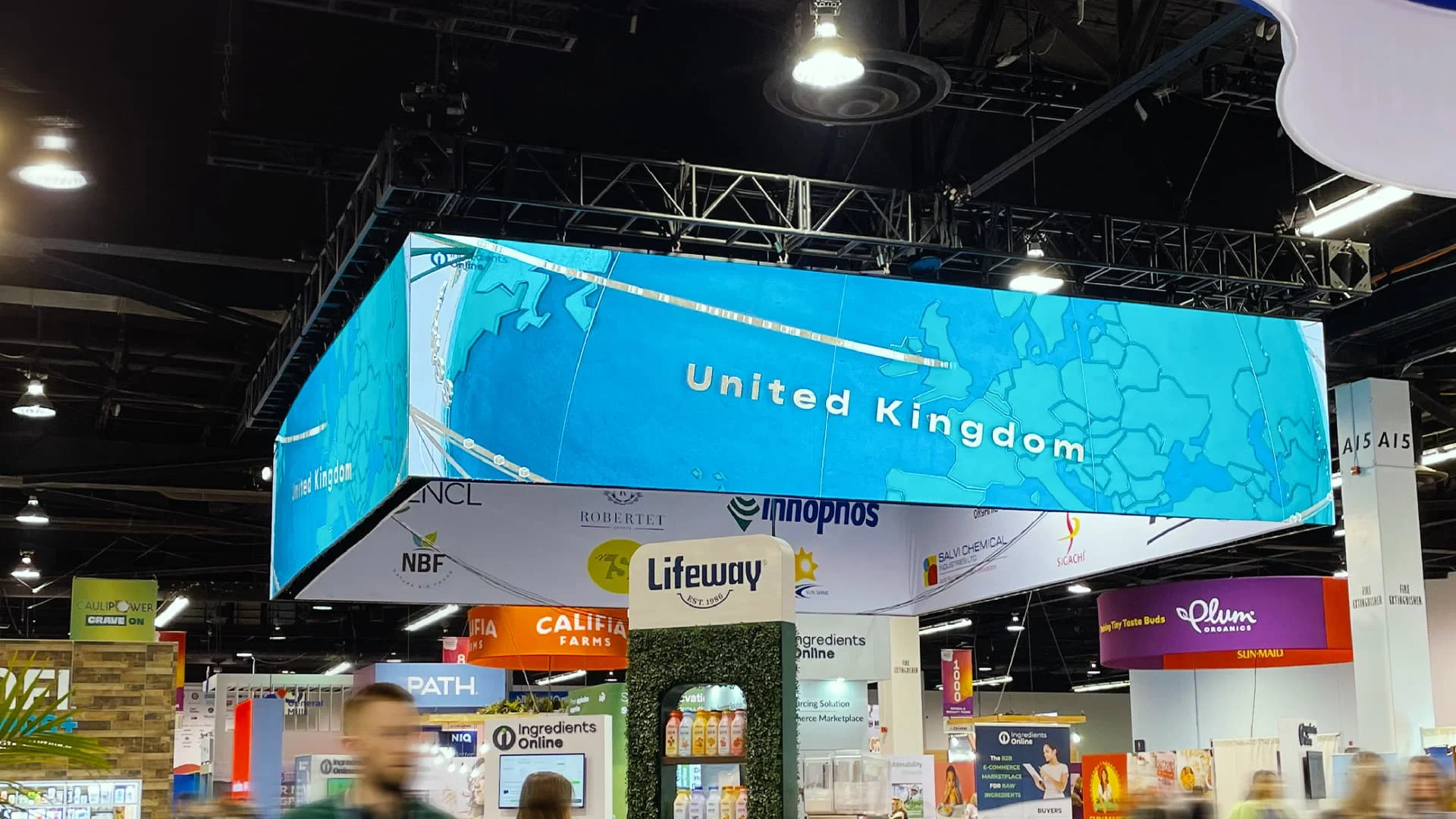
Retail and ecommerce companies rely on live events to bridge digital strategies with tangible brand experiences, demonstrate new collections, secure wholesale partnerships, and convert attendees into long-term customers. Charlotte supports these objectives through its 600,000-square-foot convention center containing 280,000 square feet of exhibit space, more than 6,400 walkable hotel rooms in the Uptown core, and nonstop air service to over 188 destinations via Charlotte Douglas International Airport. The market's 3.2 million residents, 1.7 million labor force, and 13 percent five-year workforce growth create a sizable audience pool and talent base for events ranging from consumer-facing pop-ups to industry trade programs.
The city's unified destination management through the CRVA simplifies coordination across venues while its 19 Fortune 1000 headquarters, including retail and consumer services companies, generate steady demand for B2B networking and product showcases. Planners can align programs with established demand drivers such as advanced manufacturing, logistics, technology innovation, and motorsports hospitality to create relevant programming that resonates with both regional and national audiences. Charlotte's venue clusters allow flexibility, whether centering events in the walkable Uptown district or leveraging secondary corridors for larger drive-in consumer shows.
Effective planning begins with matching event goals to the market's strengths in air connectivity, exhibit capacity, and economic momentum that has ranked the Charlotte metro second nationally for job growth among large metros. This environment enables retail and ecommerce organizations to stage events that reinforce omnichannel strategies while benefiting from the Southeast's premier convention infrastructure.
Charlotte's Infrastructure Advantages for Retail and Ecommerce Gatherings
The Charlotte Convention Center stands as the cornerstone for retail and ecommerce events, offering 280,000 square feet of contiguous exhibit space within a 600,000-square-foot facility that also includes 154,000 square feet dedicated to breakout sessions and meetings. This inventory accommodates everything from wholesale market exhibitions to large consumer expos where ecommerce brands can showcase direct-to-consumer offerings. Planners benefit from the surrounding 6,400 hotel rooms within walking distance, reducing transportation friction and allowing attendees to move efficiently between sessions, networking events, and hospitality functions.
Official destination resources position Charlotte as the Southeast's premier meeting and convention market, supported by more than 200 restaurants and bars in the Uptown area. This concentration creates natural opportunities for retail brands to extend event programming into experiential dining activations or evening receptions that strengthen buyer relationships. The CRVA's integrated sales, marketing, and venue management structure further streamlines the planning process for multi-day programs that require smooth transitions between general sessions and exhibit hours.
Beyond the convention core, secondary venues expand options for specialized formats. The market's growth trajectory, including second-place national ranking for job growth among large metros by the end of 2025, supplies both attendees interested in new retail concepts and a workforce attuned to event operations. These factors combine to make Charlotte a practical choice for retail organizations seeking to maximize return on experiential marketing investments.
- 280,000 square feet of exhibit hall space at the Charlotte Convention Center
- 6,400 walkable hotel rooms in the Uptown event district
- Nonstop air service to more than 188 destinations
- Unified destination management through the CRVA
- Integration with adjacent facilities including the NASCAR Hall of Fame
Venue Clusters Supporting Different Retail Event Formats
Charlotte organizes its event assets into distinct clusters that allow planners to select locations based on program scale, audience profile, and desired atmosphere. The Uptown Convention Core, led by the Charlotte Convention Center and NASCAR Hall of Fame, suits citywide conventions, exhibit-heavy product showcases, and sponsor events where walkable hotels and nightlife options enhance attendee experience. This district concentrates multiple conference hotels including the Westin Charlotte, Hilton Charlotte Uptown, Charlotte Marriott City Center, Omni Charlotte Hotel, and JW Marriott Charlotte, creating a self-contained environment ideal for multi-track retail conferences.
The Concord and Cabarrus County corridor expands possibilities for regional conventions, consumer shows, and enthusiast events with facilities such as the Embassy Suites Concord Convention Center, Cabarrus Arena and Events Center, and proximity to Charlotte Motor Speedway. These venues support larger drive-in attendance patterns and provide hospitality options suitable for retail brands targeting suburban and north-metro audiences. Meanwhile, adaptive-reuse spaces including Camp North End, the Fillmore, and Spectrum Center offer distinctive backdrops for creative product launches and brand activations where atmosphere contributes as much to the experience as square footage.
South Charlotte locations such as the Ballantyne, a Luxury Collection Hotel and Harris Conference Center serve executive-level programs, client hospitality, and smaller, polished gatherings that benefit from a different demographic profile than Uptown. This variety enables retail and ecommerce planners to align venue choice with specific objectives, whether building broad awareness through consumer events or conducting targeted wholesale presentations in premium settings. The overall framework supports efficient routing between clusters while leveraging the region's interstate network and airport access.
- Uptown Convention Core for large-scale exhibits and walkable hospitality
- Concord/Cabarrus corridor for consumer shows and motorsports-tied activations
- Adaptive Reuse Zone for creative brand experiences and receptions
- South Charlotte Executive Corridor for premium client and leadership meetings
- South Carolina Extension venues for expanded regional reach
Leveraging Economic and Demographic Strengths for Event Success
The Charlotte region's 3.2 million population, 1.7 million-member labor force, and 13 percent workforce growth over five years create a substantial base for both consumer-facing retail events and B2B ecommerce programs. Nineteen Fortune 1000 headquarters spanning retail, manufacturing, technology, and other sectors generate consistent demand for industry events where suppliers can connect directly with decision-makers. This corporate depth supports programs that range from supplier expos to innovation showcases that highlight new retail technologies and platforms.
Foreign direct investment has added more than 8,400 jobs since 2022, bringing the total of international businesses to over 1,000. Combined with strong logistics capabilities and global air access handling 53.6 million passengers in 2025, Charlotte becomes a practical hub for events involving imported product lines or multi-city tour schedules. The market's advanced manufacturing position further complements retail events by attracting audiences interested in supply chain innovations and direct-from-manufacturer concepts.
Planners can reference these economic indicators when developing attendee acquisition strategies and sponsorship packages. The combination of job growth momentum, international business activity, and a unified destination support structure helps retail organizations justify investment in Charlotte events that deliver both immediate sales opportunities and longer-term brand development.
Experiential Marketing and Motorsports Integration for Retail Brands
Charlotte's motorsports assets, including Charlotte Motor Speedway and the NASCAR Hall of Fame, provide unique platforms for retail and ecommerce brands seeking memorable experiential marketing. These venues support hospitality programs, product demonstrations, and themed activations that differentiate brands in competitive markets. The adjacency of racing-related infrastructure to convention facilities allows smooth integration of experiential elements into larger trade shows or conferences.
Technology and corporate innovation demand drivers further enhance possibilities for retail events that incorporate interactive displays, digital integration, and forward-looking product presentations. Adaptive venues such as Camp North End and the Underground offer industrial-chic or entertainment-focused environments that align well with modern ecommerce aesthetics and younger consumer demographics. These spaces support the kind of creative executions that generate social media content and strengthen connections between physical experiences and online shopping journeys.
When coordinating these programs, emphasis falls on aligning brand narratives with venue capabilities and the market's audience characteristics. The result is events that not only showcase products but create emotional connections that research shows translate into improved ecommerce conversion rates and customer loyalty.
- NASCAR Hall of Fame for VIP hospitality and sponsor activations
- Charlotte Motor Speedway for experiential and enthusiast events
- Adaptive venues for creative product launches and interactive displays
- Integration with technology innovation programming
- Focus on experiences that drive measurable digital engagement
Logistics Coordination and Omnichannel Event Strategies
Charlotte's logistics prominence and international business growth provide a foundation for events that highlight supply chain transparency, just-in-time inventory solutions, and direct-to-consumer fulfillment innovations. Airport capabilities supporting 53.6 million passengers annually facilitate the movement of exhibit materials, product samples, and national teams, while the region's FDI activity signals strong interest in global trade topics that can inform educational programming.
Omnichannel retail strategies benefit from hybrid event designs that combine in-person demonstrations with digital components accessible to remote audiences. The Charlotte Convention Center's technical infrastructure and multiple hotel ballrooms support these approaches, allowing brands to capture data across channels and create unified customer experiences. Planners focus on measurement frameworks that connect live event interactions to subsequent ecommerce performance.
The market's job growth and expanding workforce also support events that incorporate talent acquisition or retail training components alongside traditional exhibition activities. This multifaceted approach maximizes event ROI by addressing multiple business objectives within single coordinated programs.
Strategic Planning Considerations for Charlotte Retail Events
Successful retail and ecommerce events in Charlotte require early alignment between program objectives and available venue inventory across Uptown, Concord, University City, SouthPark, and Ballantyne submarkets. Each location offers distinct advantages, from the density of the convention core to the specialized appeal of speedway-adjacent or executive corridor properties. Understanding these differences helps optimize attendance, control costs, and create appropriate atmospheres for different audience segments.
The region's continued investment in meeting infrastructure, combined with its ranking as a top destination for both business and leisure, supports long-term planning for recurring events. Retail organizations can leverage Charlotte's position within the Southeast to draw attendees from across the region while utilizing air connectivity for national and international participation. Coordination focuses on creating smooth experiences that reflect positively on brand values and deliver measurable business outcomes.
As the market evolves with additional venue enhancements and growing corporate presence, opportunities for innovative event formats continue to expand. Planners who maintain current knowledge of Charlotte's venue specifications, economic indicators, and audience characteristics position their organizations to execute events that stand out in an increasingly competitive experiential marketing landscape.
- Early venue assessment across multiple clusters
- Integration of economic data into attendee targeting
- Measurement of both immediate and downstream results
- Flexibility to adjust between convention, arena, and boutique formats
Future Outlook for Retail and Ecommerce Events in the Charlotte Region
Charlotte's combination of convention capacity, transportation infrastructure, corporate headquarters concentration, and demographic growth signals continued expansion of opportunities for retail and ecommerce events. The CRVA's ongoing management of key assets including the convention center, NASCAR Hall of Fame, and entertainment venues ensures the market remains competitive with larger destination cities while maintaining advantages in cost efficiency and accessibility.
Emerging patterns show increasing demand for events that blend physical product interaction with digital engagement, a need well served by Charlotte's mix of traditional exhibit halls and creative activation spaces. The region's strength in advanced manufacturing, logistics, and technology creates natural content themes for educational sessions that add value beyond pure exhibition.
Organizations that establish early presence in this market benefit from growing attendee pools fueled by 13 percent workforce expansion and international business development. Strategic event planning that references verified venue metrics, air access data, and economic indicators from sources such as Charlotte Meetings and the CLT Alliance helps ensure programs achieve both short-term objectives and long-term brand development goals.
Frequently Asked Questions About Retail and Ecommerce Events in Charlotte
What makes Charlotte suitable for national retail and ecommerce trade shows?
Charlotte offers 280,000 square feet of exhibit space at the Charlotte Convention Center, 6,400 walkable hotel rooms, and nonstop flights to more than 188 destinations. The market also features 19 Fortune 1000 headquarters with retail representation and consistent job growth that supports strong attendance.
Which venues work best for retail product launches in Charlotte?
The Uptown core including the Charlotte Convention Center and NASCAR Hall of Fame suits large-scale launches, while adaptive venues like Camp North End and the Fillmore provide distinctive environments for creative activations. Concord facilities support consumer-focused programs with easier drive-in access.
How does Charlotte support omnichannel retail event strategies?
The market's logistics prominence, international business growth, and technology innovation focus allow planners to integrate physical demonstrations with digital components. Multiple venue clusters and strong air access facilitate hybrid formats that connect live experiences to ecommerce performance.
What role does motorsports play in Charlotte retail events?
Charlotte Motor Speedway and the NASCAR Hall of Fame enable unique hospitality, experiential activations, and brand storytelling opportunities that differentiate retail programs. These assets integrate effectively with convention activities for memorable attendee experiences.
How should planners consider Charlotte's economic indicators when scheduling events?
The region's 3.2 million population, 13 percent workforce growth, second-place national job growth ranking, and foreign direct investment activity inform attendee projections and sponsorship potential. These factors support both consumer events and B2B programs targeting corporate decision-makers.
What distinguishes the Concord corridor for retail and consumer events?
The Concord Convention Center, Cabarrus Arena, and proximity to Charlotte Motor Speedway support regional conventions, larger consumer shows, and enthusiast events with different attendance patterns than Uptown. This corridor provides hospitality options suitable for drive-in audiences.