Planning radius
Charlotte metro + nearby corridor
Most programs touch Uptown, South Charlotte, Concord, Cabarrus, or nearby South Carolina venues, so the plan has to account for more than one operating zone.
Industry Focus
Charlotte combines convention-scale infrastructure with specialized economic strengths in finance, manufacturing, motorsports, healthcare, and technology. This industries overview equips event planners with sector-specific considerations for successful trade shows, expos, conferences, and branded experiences across the Charlotte region.
With 280,000 square feet of exhibit hall space at the Charlotte Convention Center and more than 6,400 hotel rooms within walking distance, the city supports events that range from national association meetings to targeted corporate showcases. Charlotte Douglas International Airport’s 53.6 million passengers in 2025 and nonstop flights to 188 destinations simplify national and international attendance.
The Charlotte region is home to 19 Fortune 1000 companies and has recorded strong job growth, adding thousands of positions through foreign direct investment. These factors create robust audiences for industry events while the unified destination management by the CRVA helps streamline planning across Uptown, Concord, and surrounding corridors.
Whether coordinating a financial services forum, a manufacturing supplier expo, a healthcare education congress, or a motorsports brand activation, understanding each sector’s alignment with Charlotte’s venue ecosystem improves outcomes. The following sections explore planning priorities for the market’s primary verticals.
Planning radius
Most programs touch Uptown, South Charlotte, Concord, Cabarrus, or nearby South Carolina venues, so the plan has to account for more than one operating zone.
Venue base
Convention centers, hotels, arenas, hospitality properties, and event campuses tracked for Charlotte programs.
Location span
Districts and nearby markets that change freight movement, hotel strategy, crew travel, and venue selection.
Labor stance
Charlotte is a right-to-work market, but exhibitor labor assumptions still need to be checked against the current venue section, show manual, and in-house service-provider rules before promising self-perform rights.
Industry Focus
Industry Focus
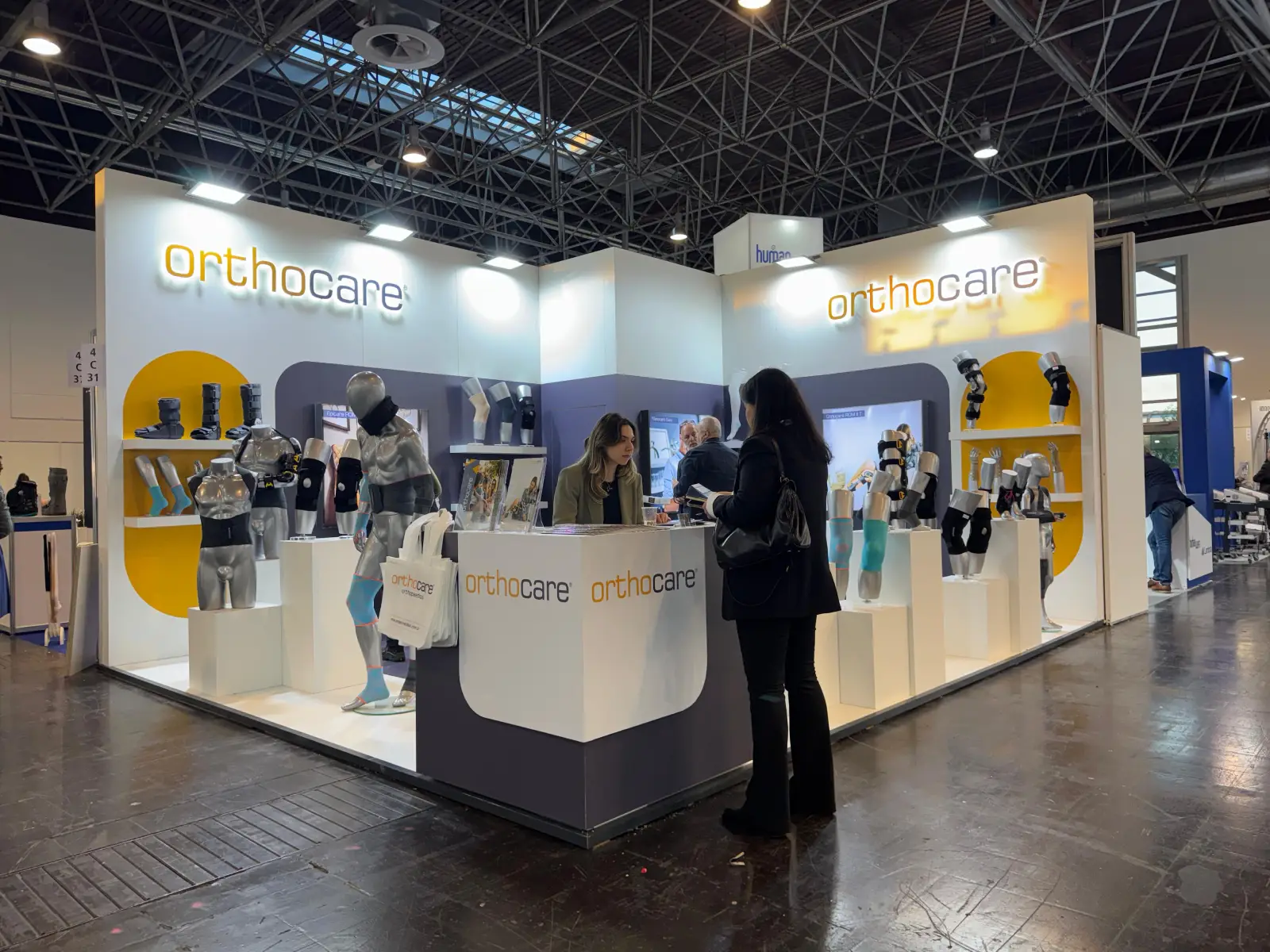
Healthcare Trade Show Services exhibit work built around category messaging, demos, staffing, compliance needs, and lead-capture goals.
Industry Focus
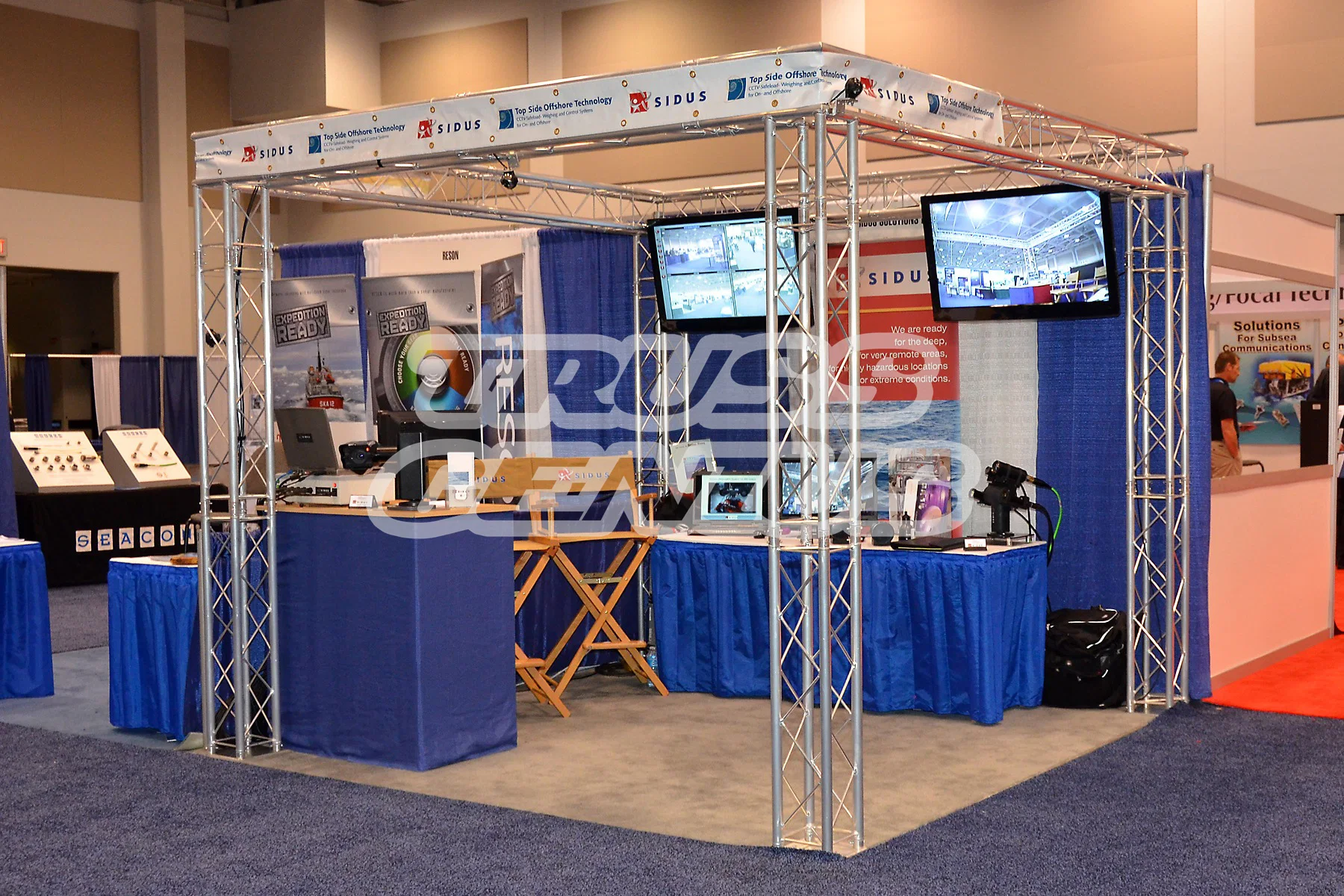
Technology Trade Show Services exhibit work built around category messaging, demos, staffing, compliance needs, and lead-capture goals.
Industry Focus
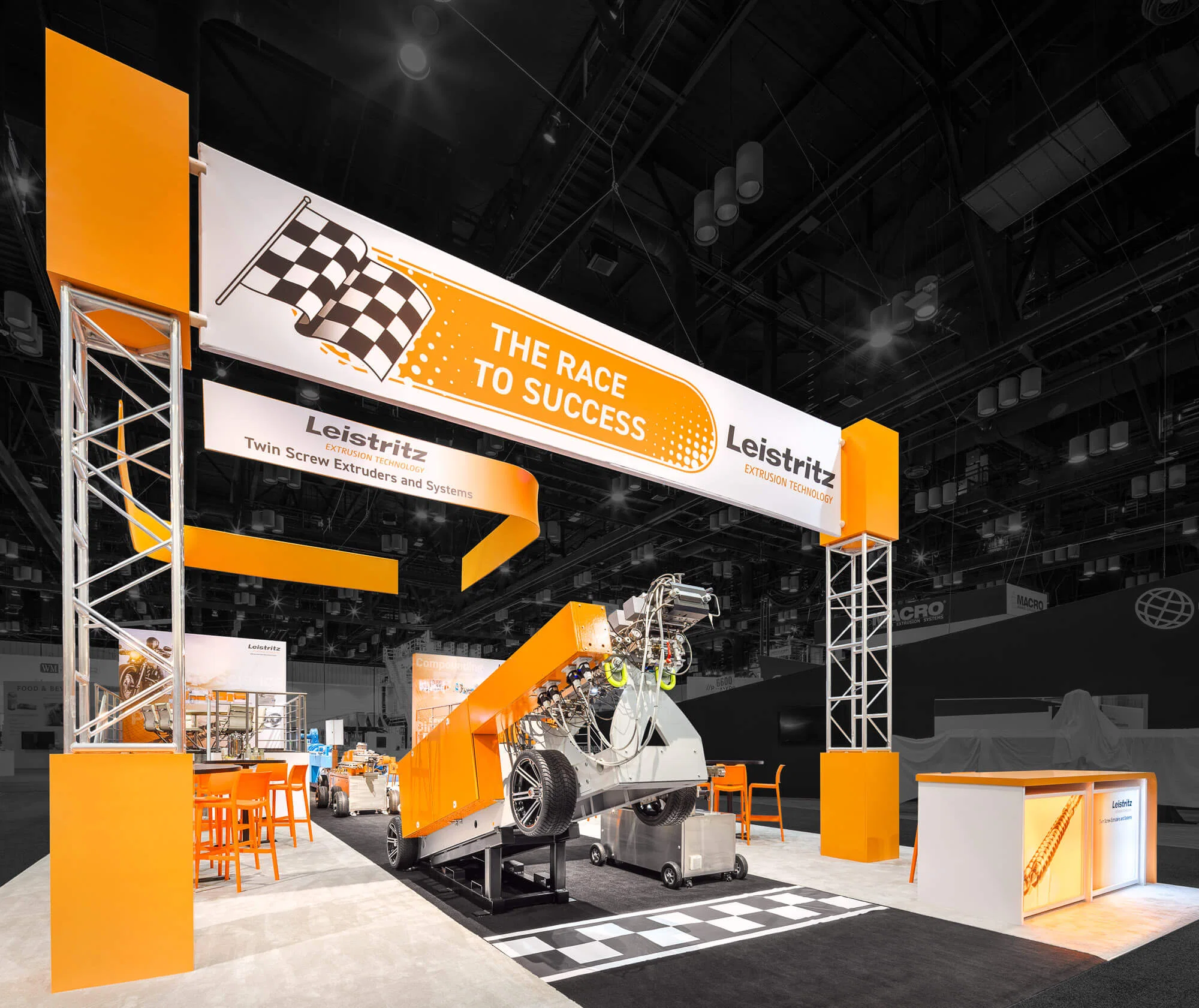
Manufacturing Expo Services exhibit work built around category messaging, demos, staffing, compliance needs, and lead-capture goals.
Industry Focus
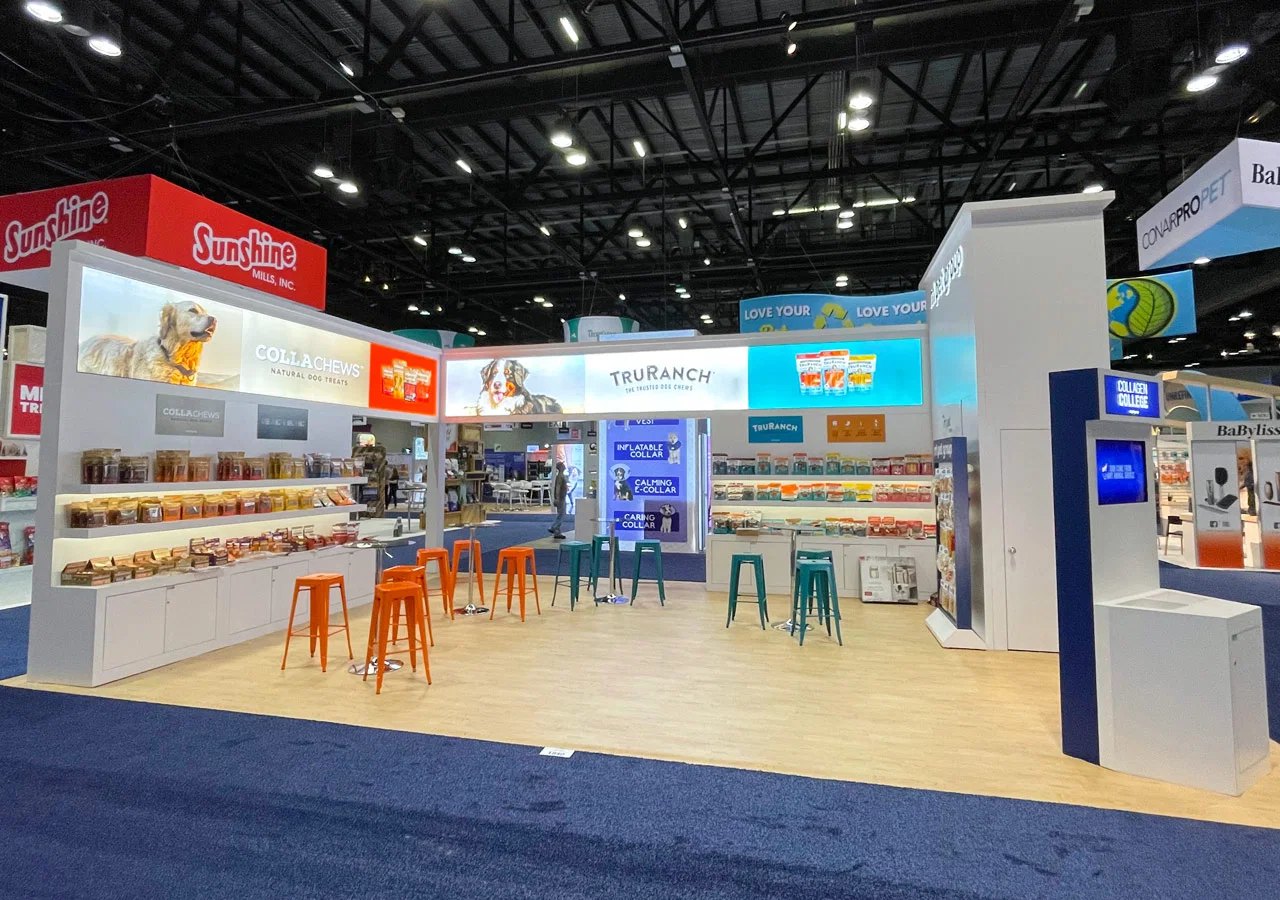
Food and Beverage Trade Show Services exhibit work built around category messaging, demos, staffing, compliance needs, and lead-capture goals.
Industry Focus
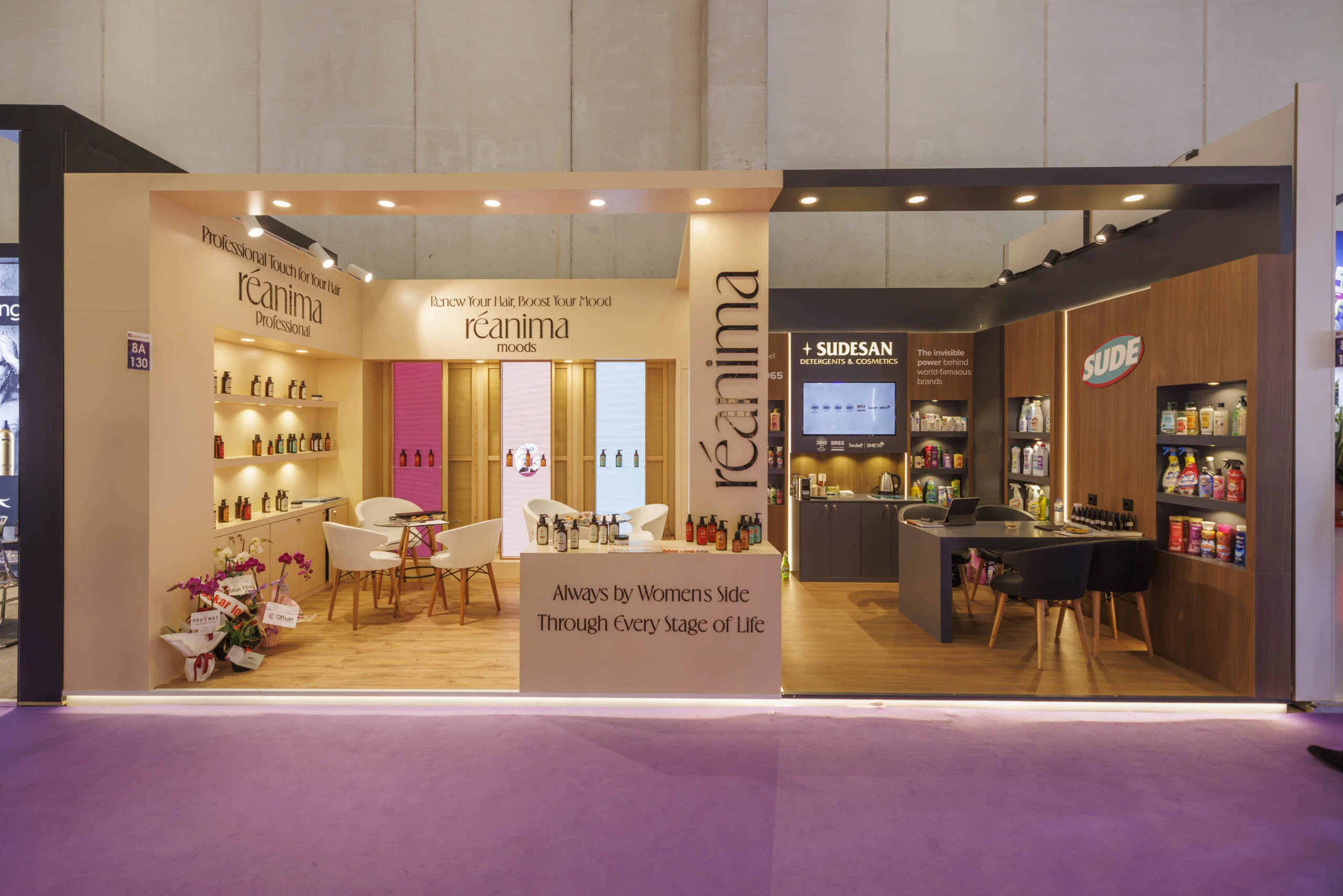
Beauty and Cosmetics Trade Show Services exhibit work built around category messaging, demos, staffing, compliance needs, and lead-capture goals.
Industry Focus
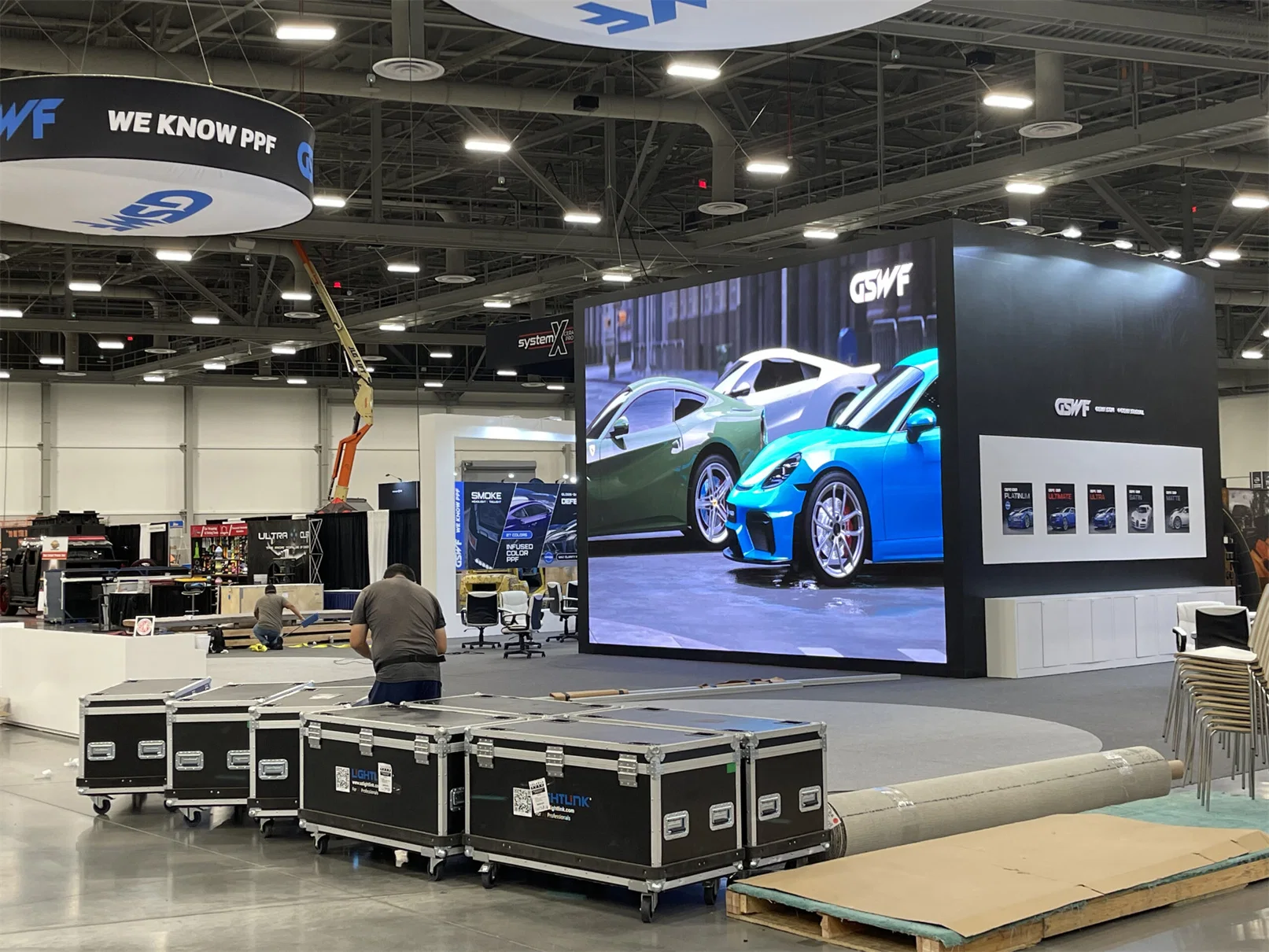
Automotive Trade Show Services exhibit work built around category messaging, demos, staffing, compliance needs, and lead-capture goals.
Industry Focus
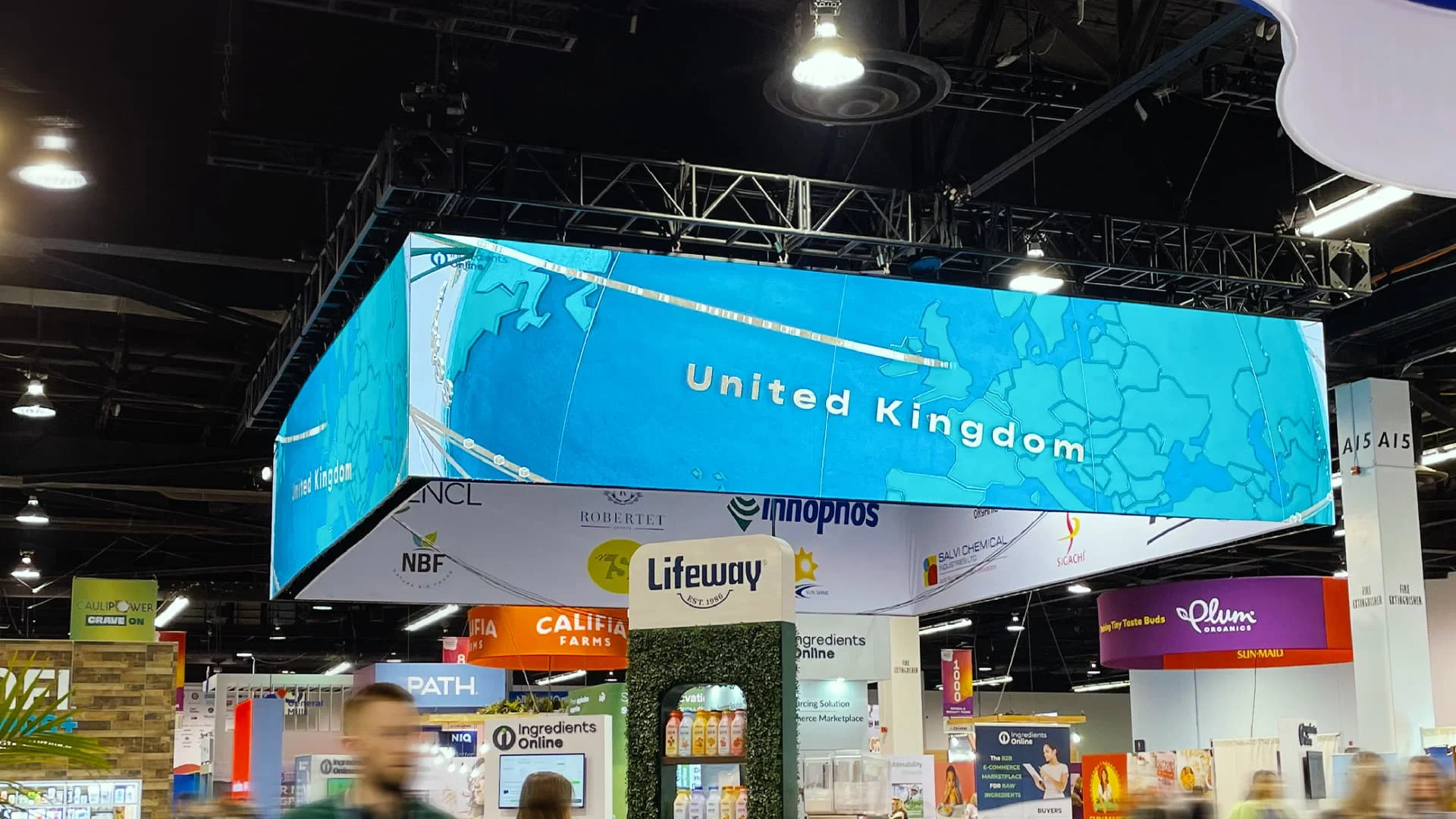
Retail and Ecommerce Event Services exhibit work built around category messaging, demos, staffing, compliance needs, and lead-capture goals.
Industry Focus
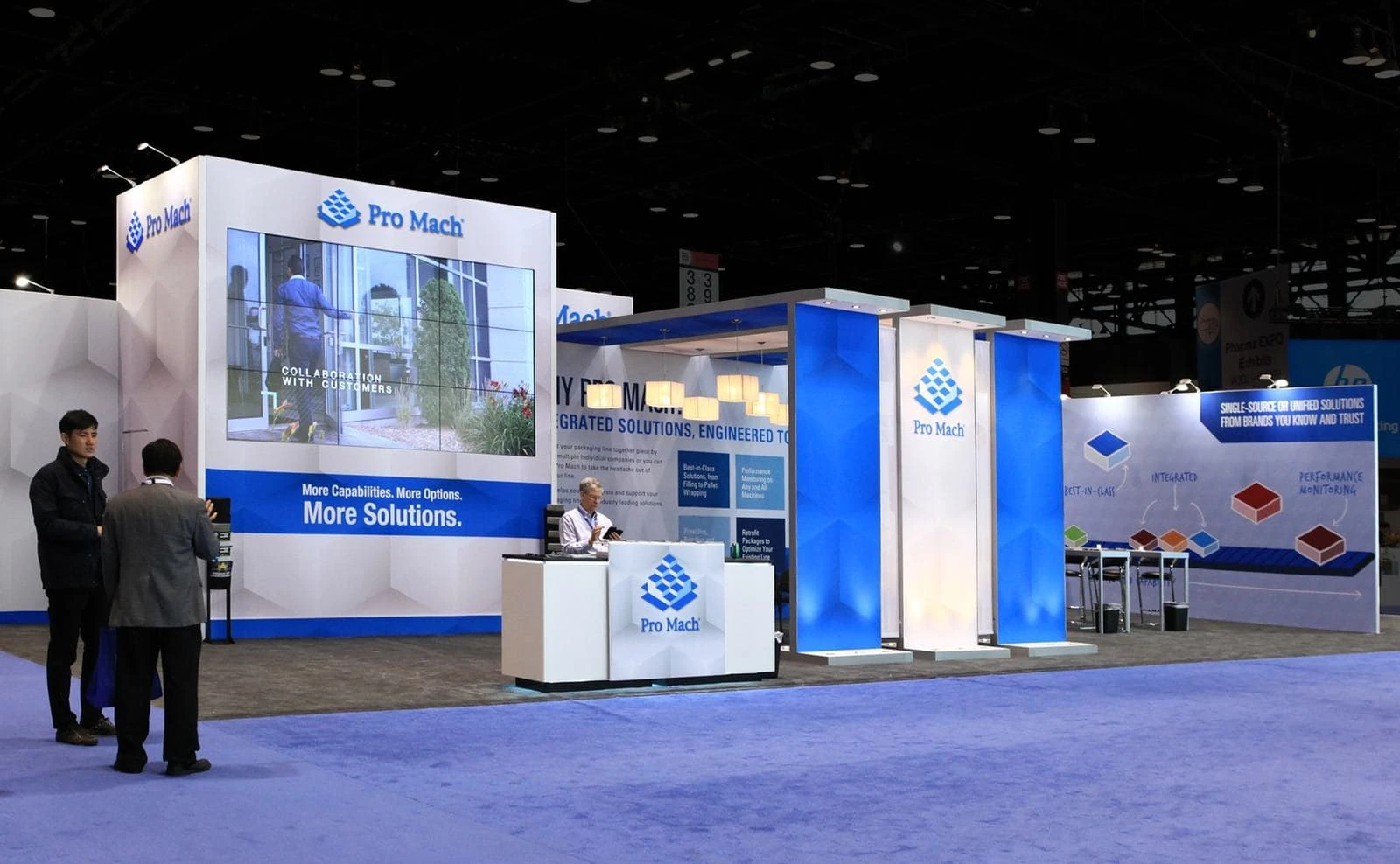
Industrial Trade Show Services exhibit work built around category messaging, demos, staffing, compliance needs, and lead-capture goals.
Industry Focus
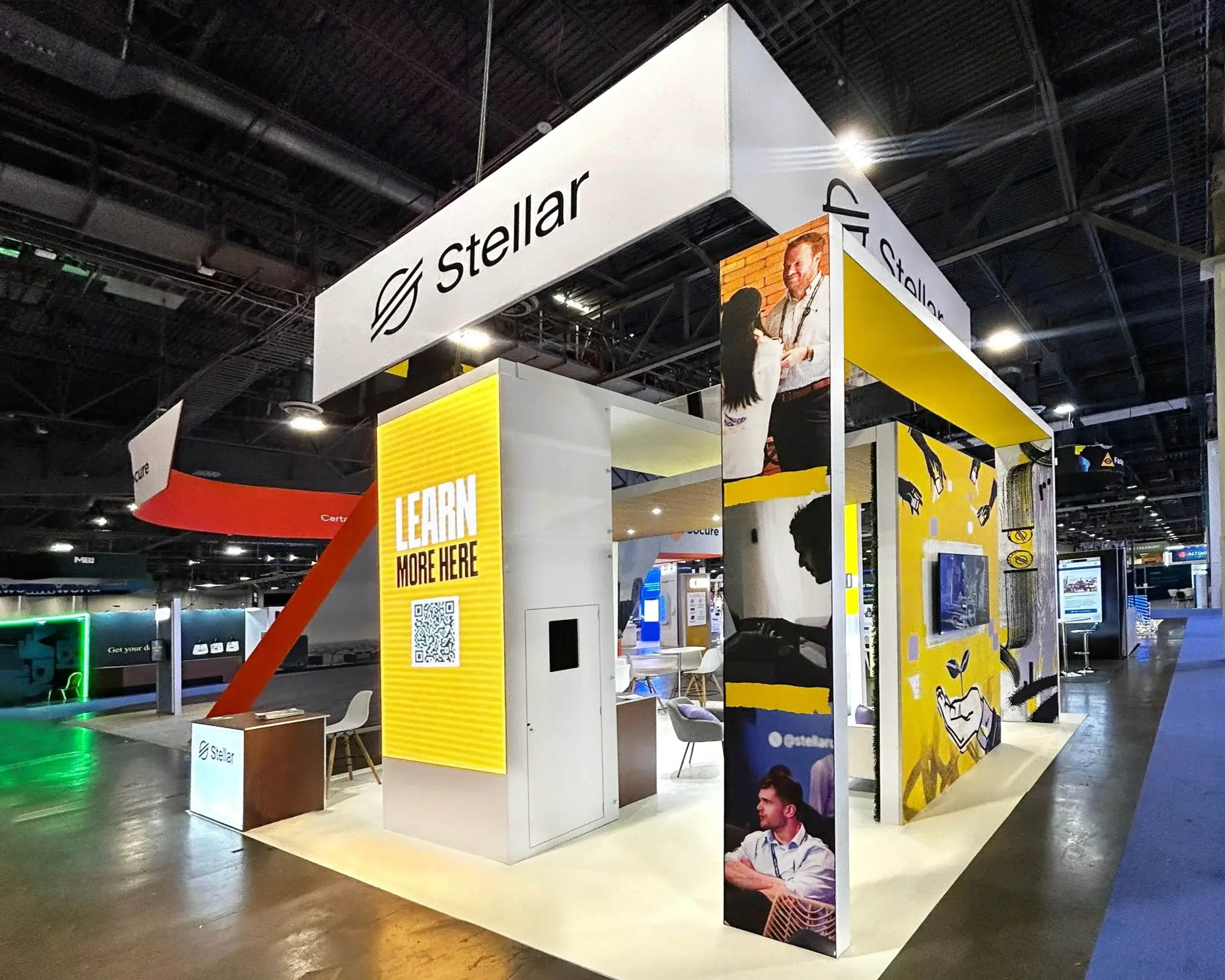
Financial Services Trade Show Services exhibit work built around category messaging, demos, staffing, compliance needs, and lead-capture goals.
Industry Focus
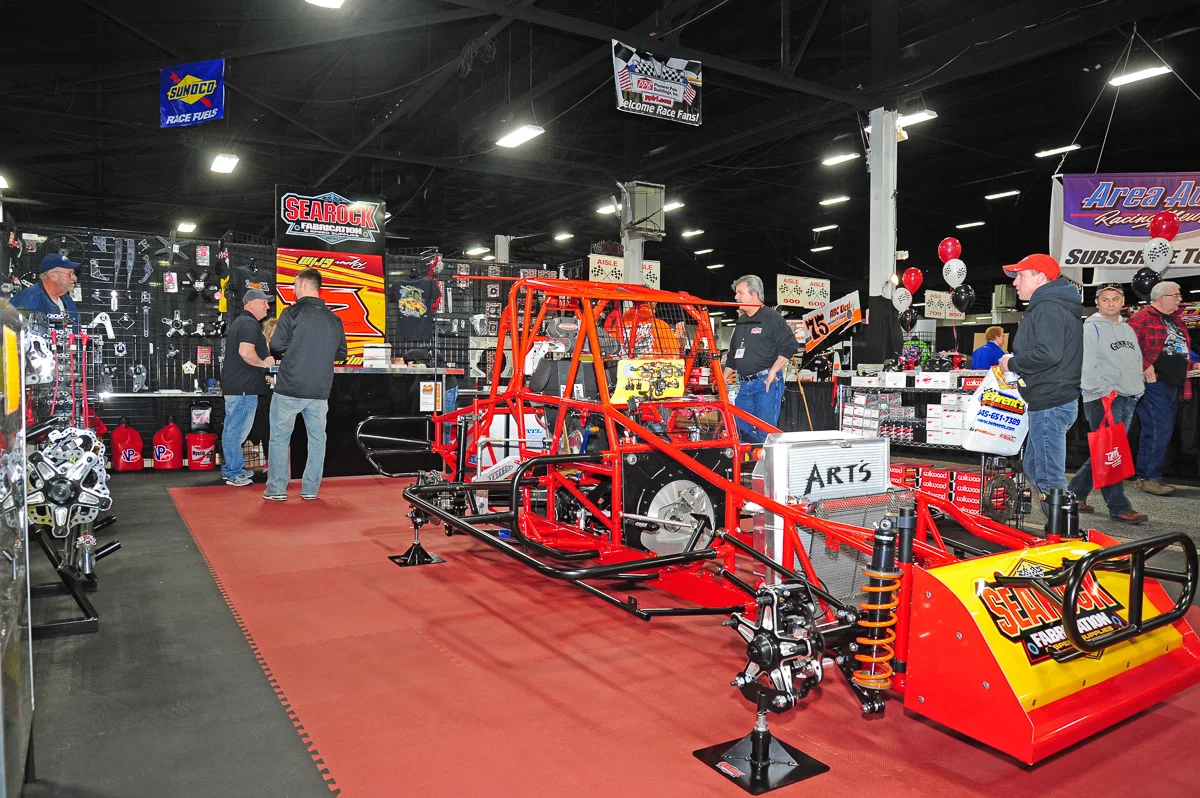
Motorsports Trade Show Services exhibit work built around category messaging, demos, staffing, compliance needs, and lead-capture goals.
With 280,000 square feet of exhibit hall space at the Charlotte Convention Center and more than 6,400 hotel rooms within walking distance, the city supports events that range from national association meetings to targeted corporate showcases. Charlotte Douglas International Airport’s 53.6 million passengers in 2025 and nonstop flights to 188 destinations simplify national and international attendance.
The Charlotte region is home to 19 Fortune 1000 companies and has recorded strong job growth, adding thousands of positions through foreign direct investment. These factors create robust audiences for industry events while the unified destination management by the CRVA helps streamline planning across Uptown, Concord, and surrounding corridors.
Whether coordinating a financial services forum, a manufacturing supplier expo, a healthcare education congress, or a motorsports brand activation, understanding each sector’s alignment with Charlotte’s venue ecosystem improves outcomes. The following sections explore planning priorities for the market’s primary verticals.
Charlotte is recognized as the second-largest financial center in the United States. This status drives consistent demand for conferences, executive summits, fintech exhibitions, and investor events that require professional environments and convenient access to decision-makers.
Event coordination in this sector emphasizes secure networking spaces, technology-enabled demonstration areas, and proximity to Uptown’s business district. The presence of major headquarters allows planners to draw high-caliber local and regional participants alongside national attendees arriving through CLT.
Successful programs often integrate sponsorship activations within the Charlotte Convention Center or nearby hotels such as the Westin, Hilton Charlotte Uptown, or JW Marriott Charlotte, taking advantage of the walkable dining and entertainment options that strengthen relationship-building.
Charlotte ranks among the nation’s top markets for advanced manufacturing, supporting supplier expos, distributor meetings, equipment demonstrations, and workforce development events. The sector benefits from the region’s 1.7 million labor force and 13 percent workforce growth over five years.
Planners coordinate these events to leverage the Charlotte Convention Center’s large exhibit halls for heavy equipment or interactive displays, or utilize the Concord / Cabarrus corridor for events tied to industrial audiences. Logistics advantages from the international airport facilitate imported machinery and multi-regional participation.
Coordination includes attention to demonstration safety, load-in logistics, and integration with regional plant tours or off-site networking when appropriate. The market’s foreign direct investment momentum further enriches the attendee mix with international manufacturing interests.
The region’s corporate healthcare presence and regional medical centers generate demand for clinical education programs, medical device showcases, pharmaceutical congresses, and patient advocacy events. These programs require careful coordination to meet compliance standards and facilitate meaningful professional exchange.
Charlotte’s convention assets provide the necessary breakout rooms, exhibit space, and technology infrastructure for hybrid or in-person formats. Proximity to major hospitals and universities in areas like University City enhances the ability to attract specialized speakers and attendees.
Planning resources focus on smooth registration, compliant exhibit design, and scheduling that accommodates clinical schedules. The city’s air access simplifies travel for national healthcare professionals.
Charlotte’s connection to NASCAR, Charlotte Motor Speedway, and the NASCAR Hall of Fame creates unique opportunities for automotive brand launches, enthusiast expos, performance demonstrations, and hospitality programs. The Concord corridor offers venues suited to experiential and drive-in attendance patterns.
Events in this vertical often blend indoor exhibits at the Cabarrus Arena & Events Center or Charlotte Convention Center with outdoor activations near the speedway. VIP hospitality at locations like the NASCAR Hall of Fame adds prestige and networking value for sponsors and partners.
Coordination involves integrating technical demonstrations, fan engagement strategies, and logistics for specialized vehicles or equipment. The market’s motorsports ecosystem supports both consumer-facing shows and B2B supplier programs.
Headquarters depth in technology and retail supports product launches, innovation conferences, ecommerce summits, and consumer trend events. Adaptive reuse spaces like Camp North End or the Fillmore offer distinctive atmospheres for launches and activations, while the convention center handles larger scale programs.
These industries value flexible exhibit designs, high-speed connectivity, and venues that support both education sessions and hands-on experiences. Charlotte’s job growth and innovation economy help attract forward-thinking attendees and corporate participants.
Planning considerations include multi-track scheduling, integration of digital elements, and selection of submarkets such as South End or Ballantyne for targeted corporate audiences.
Charlotte offers distinct venue clusters that align with different industry needs. The Uptown Convention Core, led by the Charlotte Convention Center and multiple full-service hotels, suits formal conferences and large exhibits in finance, healthcare, and technology.
The Concord / Cabarrus Event Corridor excels for motorsports, manufacturing, and consumer shows with facilities including the Concord Convention Center, Cabarrus Arena, and proximity to Charlotte Motor Speedway. Adaptive reuse and activation zones provide creative options for brand experiences.
Planners evaluate factors such as audience travel patterns from across the 15-county region, preferred hotel inventory, and required square footage when selecting locations. South Charlotte options like Ballantyne support executive or smaller-scale programs with a different ambiance.
Planner questions
As the second-largest financial center in the U.S. With numerous Fortune 1000 headquarters, Charlotte attracts high-quality attendees for banking, fintech, and investment events. The walkable Uptown district and convention center provide ideal settings for networking and product demonstrations.
The Charlotte Convention Center offers substantial exhibit space for industrial displays while the Concord Convention Center and Cabarrus Arena provide additional options north of the city. Selection depends on equipment size, expected attendance, and desired proximity to manufacturing hubs.
With the NASCAR Hall of Fame, Charlotte Motor Speedway, and dedicated event facilities in Concord, the market excels at delivering authentic experiences for automotive and racing brands. These assets enable unique hospitality, product launches, and fan engagement activities.
The combination of major medical facilities, corporate headquarters in life sciences, strong air accessibility, and compliant-ready convention infrastructure makes Charlotte suitable for medical congresses and healthcare exhibitions requiring both education and exhibit components.
Yes. The Charlotte Meetings organization reports more than 6,400 hotel rooms within walking distance of the convention center, supplemented by additional inventory in Concord, Ballantyne, and other submarkets across the region.
Begin by matching sector-specific requirements with the appropriate venue cluster, considering audience demographics, exhibit needs, and program format. Leverage the region’s economic strengths and transportation infrastructure to maximize attendance and impact.
Ready to brief your project?
Contact our planning team to map your next trade show, conference, or product launch to the right Charlotte venue cluster, attendance profile, and supporting services. We provide coordination guidance tailored to your industry’s objectives and the market’s infrastructure.