The Charlotte region offers distinct advantages for motorsports trade shows through its established racing infrastructure and convention assets. Charlotte Motor Speedway and the NASCAR Hall of Fame create authentic environments for product demonstrations, brand activations, and enthusiast gatherings while the Charlotte Convention Center and Concord venues support larger-scale exhibit programs. Planners gain access to a market with proven appeal to national audiences drawn by the motorsports cluster.
Global air connectivity at Charlotte Douglas International Airport, combined with more than 6,400 walkable hotel rooms near the convention core, enables efficient movement of exhibitors, equipment, and attendees. The region’s 13 percent five-year workforce growth and position as home to manufacturing and technology headquarters further strengthen its capacity to host events that blend consumer excitement with B2B networking.
This planning resource outlines coordination approaches, venue considerations, and program frameworks tailored to motorsports events. It draws on the market’s documented strengths in enthusiast events, brand launches, and experiential builds to help organizers develop successful trade show strategies without speculation on unverified operational details.
Charlotte’s Motorsports Ecosystem as an Event Advantage
Charlotte’s deep connection to motorsports creates a natural foundation for trade shows that resonate with both core enthusiasts and corporate stakeholders. The presence of Charlotte Motor Speedway in the Concord area and the NASCAR Hall of Fame in Uptown provide thematic authenticity that enhances exhibit storytelling and experiential marketing. These assets support events ranging from supplier showcases to consumer-facing product launches where attendees expect high-energy, technology-driven interactions.
The broader regional economy reinforces this positioning. With 19 Fortune 1000 headquarters spanning manufacturing, technology, and related sectors, the market attracts decision-makers who influence motorsports supply chains and innovation programs. Foreign direct investment has added more than 8,400 jobs since 2022, expanding the pool of professionals interested in advanced materials, propulsion systems, and digital integration topics commonly featured at these shows.
Official destination materials highlight the unified management structure that oversees the convention center, NASCAR Hall of Fame, and related facilities. This framework helps streamline planning for multi-venue programs that combine education sessions, exhibit floors, and hospitality activations within a compact geographic radius.
- Charlotte Motor Speedway supports experiential builds and enthusiast events
- NASCAR Hall of Fame enables sponsor activations and VIP programming
- Concord corridor offers complementary arena and convention capacity
- Uptown core concentrates exhibit space with walkable hotels
- Regional job growth enhances professional attendee availability
Venue Selection Across Key Charlotte Clusters
The Uptown Convention Core, led by the 280,000 square feet of exhibit space at the Charlotte Convention Center, suits large-scale trade shows that require breakout rooms, plenary sessions, and proximity to 200-plus nearby restaurants. Adjacent facilities including the NASCAR Hall of Fame allow smooth transitions between formal exhibits and themed receptions or hospitality suites.
The Concord / Cabarrus Event Corridor expands options for motorsports-specific programming. Venues such as the Concord Convention Center, Cabarrus Arena & Events Center, and sites adjacent to Charlotte Motor Speedway accommodate drive-in attendance, larger equipment displays, and experiential activations that benefit from open layouts and racing heritage. This cluster supports hybrid events that blend trade show elements with track-side demonstrations.
Additional flexibility comes from adaptive-reuse spaces and executive corridors. Locations like Camp North End or SouthPark properties work well for targeted product launches or sponsor events where atmosphere and branding take precedence over raw square footage. Planners can match venue attributes to audience profiles ranging from hardcore racing fans to corporate procurement teams.
Official Charlotte Meetings resources document these clusters and their respective strengths, enabling data-driven decisions about which combination best supports specific show objectives.
Coordinating Exhibits and Brand Experiences
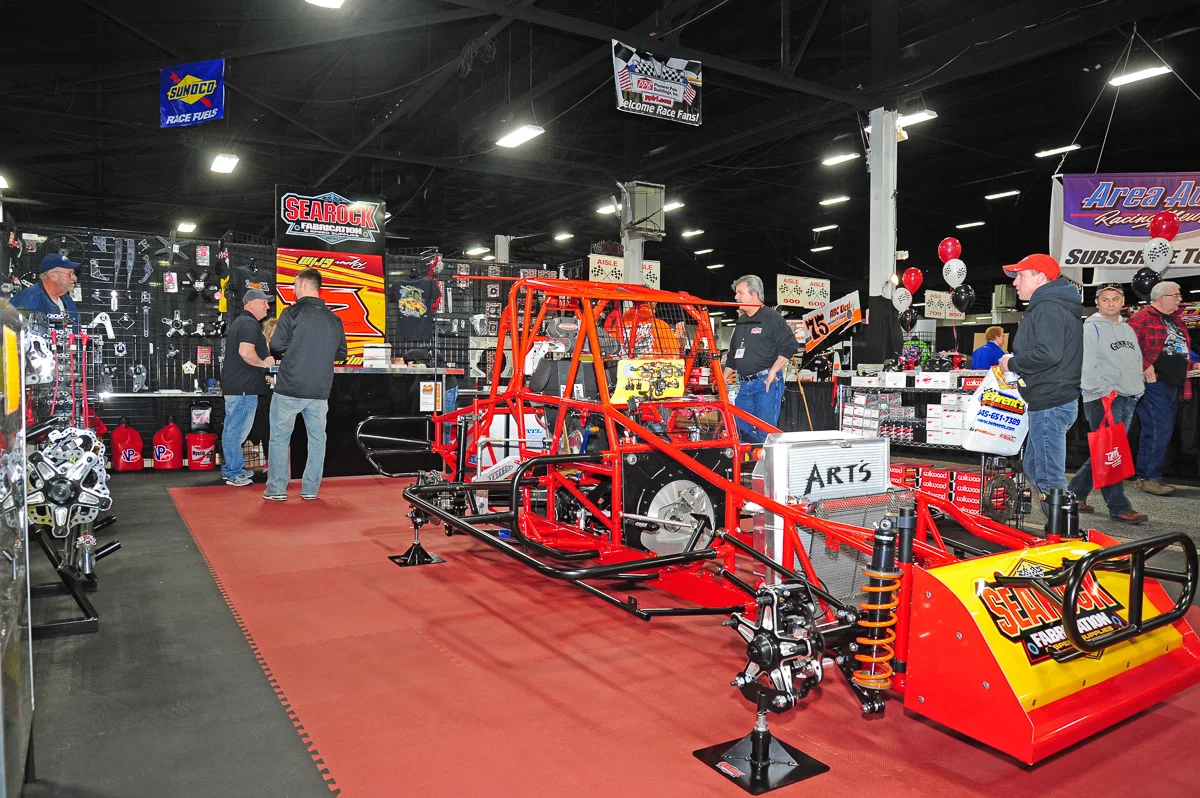
Successful motorsports trade shows require thoughtful integration of interactive elements that reflect the industry’s emphasis on performance, innovation, and sensory engagement. Simulation stations, virtual reality product configurators, and live technology demonstrations help translate complex engineering advances into compelling visitor experiences. Coordination focuses on traffic flow that prevents bottlenecks while maximizing dwell time at key brand areas.
Hospitality programming plays a central role. VIP suites, executive briefings, and invitation-only receptions leverage the market’s hotel inventory and special event venues to foster relationship-building. The NASCAR Hall of Fame, for instance, offers a distinctive setting for sponsor events that reinforce brand positioning within the racing community.
Exhibitors benefit from Charlotte’s logistics advantages. Charlotte Douglas International Airport’s nonstop service to more than 188 destinations facilitates arrival of national teams and international visitors. Regional infrastructure supports efficient movement of display materials and specialized equipment between venues in the Uptown and Concord corridors.
- Prioritize sight lines and interactive zones for enthusiast engagement
- Align hospitality with venue proximity to reduce transit times
- Incorporate educational content on manufacturing and technology topics
- Design modular exhibits adaptable to different hall configurations
Audience Development and Engagement Strategies
Motorsports events in Charlotte draw from a wide geographic radius supported by strong transportation links and regional population growth. The 3.2 million residents across the 15-county area, combined with the second-highest job growth rate among large U.S. Metros in 2025, create a robust base of potential attendees. Marketing efforts can target both local enthusiasts and national professionals who value the market’s authentic racing credentials.
Programming should balance consumer excitement with B2B value. Trade show schedules often feature technical seminars on topics such as advanced materials, electrification, and supply chain optimization alongside fan experiences. This dual focus maximizes sponsorship opportunities and generates qualified leads from across the automotive and motorsports ecosystem.
Data from destination organizations shows that events benefit from the concentration of venues in walkable districts. Uptown’s combination of convention facilities, hotels, and entertainment options encourages longer stays and repeated venue visits during multi-day programs.
Logistical Frameworks for Multi-Day Programs
Effective coordination of motorsports trade shows involves detailed planning around move-in, show days, and dismantle periods. The Charlotte Convention Center’s documented services and floor plans provide a foundation for scheduling that accounts for high-volume attendance and specialized equipment. Parallel programming in Concord allows organizers to distribute activities across complementary sites without overwhelming any single location.
Hotel room blocks near primary venues help secure accommodations for exhibitors and attendees. The availability of more than 6,400 rooms within walking distance of the convention core reduces transportation demands and supports evening networking functions. Planners also consider secondary corridors such as Ballantyne and Lake Norman for overflow or specialized executive sessions.
The region’s right-to-work status and business-friendly environment contribute to operational predictability. Coordination resources emphasize alignment with established venue guidelines to maintain smooth execution across all program elements.
- Map activities across Uptown and Concord clusters for efficiency
- Account for peak attendance during racing-adjacent dates
- Build contingency plans for equipment handling requirements
- Coordinate with airport access for international participants
Integration with Broader Industry Trends
Motorsports trade shows in Charlotte increasingly intersect with advanced manufacturing, technology, and logistics themes present in the regional economy. Exhibitors can highlight connections between racing applications and commercial sectors such as aerospace, automotive, and supply chain innovation. This positioning attracts crossover audiences from the 1,000-plus international businesses now operating in the Charlotte Region.
Sustainability and electrification represent growing discussion areas. Events provide platforms for showcasing new materials, powertrain technologies, and data analytics solutions that address both performance and environmental considerations. The market’s innovation economy and adaptive-reuse campuses offer suitable settings for forward-looking programming.
Official economic reports document the convergence of these sectors, giving planners credible context for developing content that resonates across multiple stakeholder groups. The result is trade show programs that deliver both immediate brand impact and longer-term industry relevance.
Measuring Results and Planning Future Events
Robust metrics help demonstrate return on investment for motorsports trade shows. Attendance figures, engagement time at exhibits, lead quality, and post-event sentiment provide actionable insights. Charlotte’s venue operators supply consistent data on traffic and utilization that supports year-over-year program refinement.
The market’s momentum, evidenced by continued growth in convention activity and corporate headquarters presence, suggests expanding opportunities for recurring events. Planners can leverage the destination’s unified sales and marketing structure to secure appropriate dates and venues for future cycles.
Strategic coordination ensures that each successive show builds on previous successes. By focusing on documented market strengths and venue capabilities, organizers position their programs for sustained impact within the Southeast’s premier motorsports and convention destination.
- Track both quantitative attendance and qualitative feedback
- Analyze sponsor satisfaction and partnership renewal rates
- Document logistical efficiencies for future budgeting
- Align future dates with regional motorsports calendar
Frequently Asked Questions
Why is Charlotte a strong market for motorsports trade shows?
Charlotte combines NASCAR-linked venues like Charlotte Motor Speedway and the NASCAR Hall of Fame with substantial convention infrastructure at the Charlotte Convention Center and Concord facilities. Global air access, extensive hotel inventory, and a growing advanced manufacturing base support both enthusiast and professional audiences.
Which venues work best for motorsports product launches and activations?
The NASCAR Hall of Fame suits themed hospitality and sponsor events while the Concord corridor near Charlotte Motor Speedway accommodates experiential builds and larger equipment displays. The Uptown convention core supports broader exhibit programs with adjacent breakout and hotel capacity.
How does regional infrastructure benefit event coordination?
Charlotte Douglas International Airport offers nonstop flights to more than 188 destinations. The unified destination management structure and concentration of venues in walkable districts streamline attendee movement and multi-day scheduling.
What audience segments attend motorsports events in Charlotte?
Programs attract racing enthusiasts, industry suppliers, corporate procurement teams, and technology professionals. The region’s 3.2 million population, job growth momentum, and 19 Fortune 1000 headquarters expand the pool of both consumer and B2B participants.
How should planners approach hospitality and VIP programming?
Leverage the distinct character of venues such as the NASCAR Hall of Fame for receptions and the premium hotel options in Uptown and SouthPark for executive briefings. Proximity between venues reduces transit time and supports integrated event flows.
What economic factors support long-term event planning in this market?
Thirteen percent five-year workforce growth, strong foreign direct investment, and leadership in job creation among large metros create a stable foundation. Integration with manufacturing, technology, and logistics sectors adds depth to trade show content and attendee quality.