
Planning radius
Charlotte metro + nearby corridor
Most programs touch Uptown, South Charlotte, Concord, Cabarrus, or nearby South Carolina venues, so the plan has to account for more than one operating zone.
Service Lines
Strategic oversight for every phase of your Charlotte trade show, leveraging the city’s convention scale, corporate density, and transportation strengths to align design, logistics, AV, and execution resources.
Charlotte has solidified its position as the Southeast’s premier meeting and convention destination, led by the Charlotte Convention Center’s 600,000-square-foot facility that includes 280,000 square feet of exhibit hall space and 154,000 square feet of breakout rooms. More than 6,400 hotel rooms are within walking distance in Uptown, supported by over 200 restaurants and bars. This infrastructure, combined with Charlotte Douglas International Airport’s 53.6 million passengers in 2025 and nonstop service to more than 188 destinations, creates exceptional access for national and international exhibitors.
The region’s 3.2 million residents and 1.7 million-member labor force have experienced 13 percent workforce growth over five years, while hosting 19 Fortune 1000 headquarters across financial services, manufacturing, technology, and aerospace. Job growth ranked second nationally among large metros by late 2025, and more than 1,000 international businesses operate here. These fundamentals drive consistent demand for sophisticated trade shows, conferences, and branded activations across Uptown, the Concord/Cabarrus corridor, adaptive venues, and South Charlotte locations.
This services index functions as an authoritative planning hub. It organizes coordination strategies for turnkey programs, general contracting, exhibit design, fabrication, installation and dismantle, AV production, logistics, and multi-show management. All guidance respects North Carolina’s regulatory environment and focuses exclusively on planning and resource alignment rather than direct execution.
Planning radius
Most programs touch Uptown, South Charlotte, Concord, Cabarrus, or nearby South Carolina venues, so the plan has to account for more than one operating zone.
Venue base
Convention centers, hotels, arenas, hospitality properties, and event campuses tracked for Charlotte programs.
Location span
Districts and nearby markets that change freight movement, hotel strategy, crew travel, and venue selection.
Labor stance
Charlotte is a right-to-work market, but exhibitor labor assumptions still need to be checked against the current venue section, show manual, and in-house service-provider rules before promising self-perform rights.
Service Lines
Service Scope
Turnkey Trade Show Services for Charlotte exhibits involving booth strategy, graphics, freight timing, labor planning, venue approvals, and show-site supervision.
Service Scope
Trade Show Project Management for Charlotte exhibits involving booth strategy, graphics, freight timing, labor planning, venue approvals, and show-site supervision.
Service Scope
Trade Show General Contracting for Charlotte exhibits involving booth strategy, graphics, freight timing, labor planning, venue approvals, and show-site supervision.
Service Scope
Exhibitor-Appointed Contractor Coordination for Charlotte exhibits involving booth strategy, graphics, freight timing, labor planning, venue approvals, and show-site supervision.
Service Scope
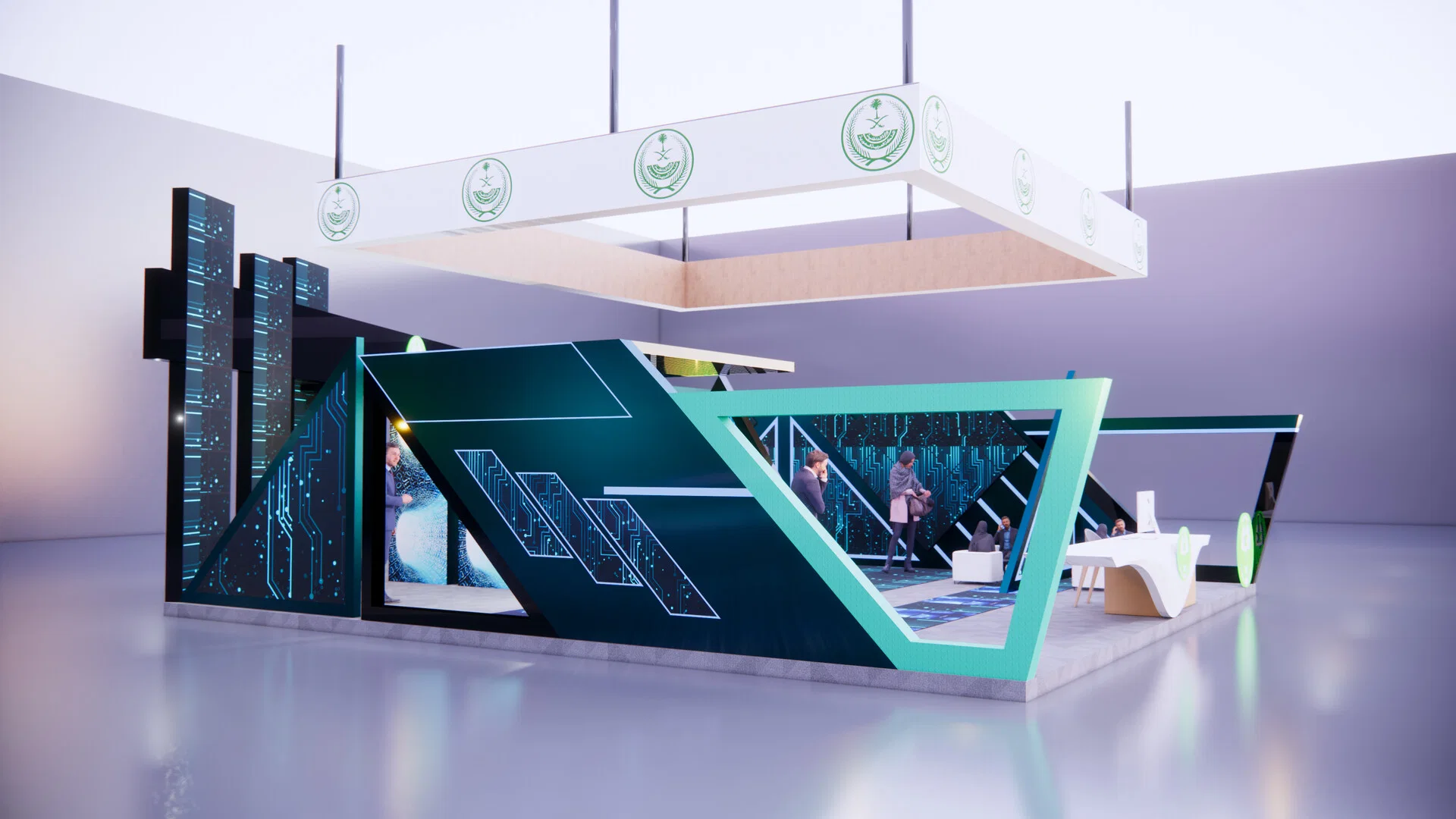
Trade Show Booth Design for Charlotte exhibits involving booth strategy, graphics, freight timing, labor planning, venue approvals, and show-site supervision.
Service Scope
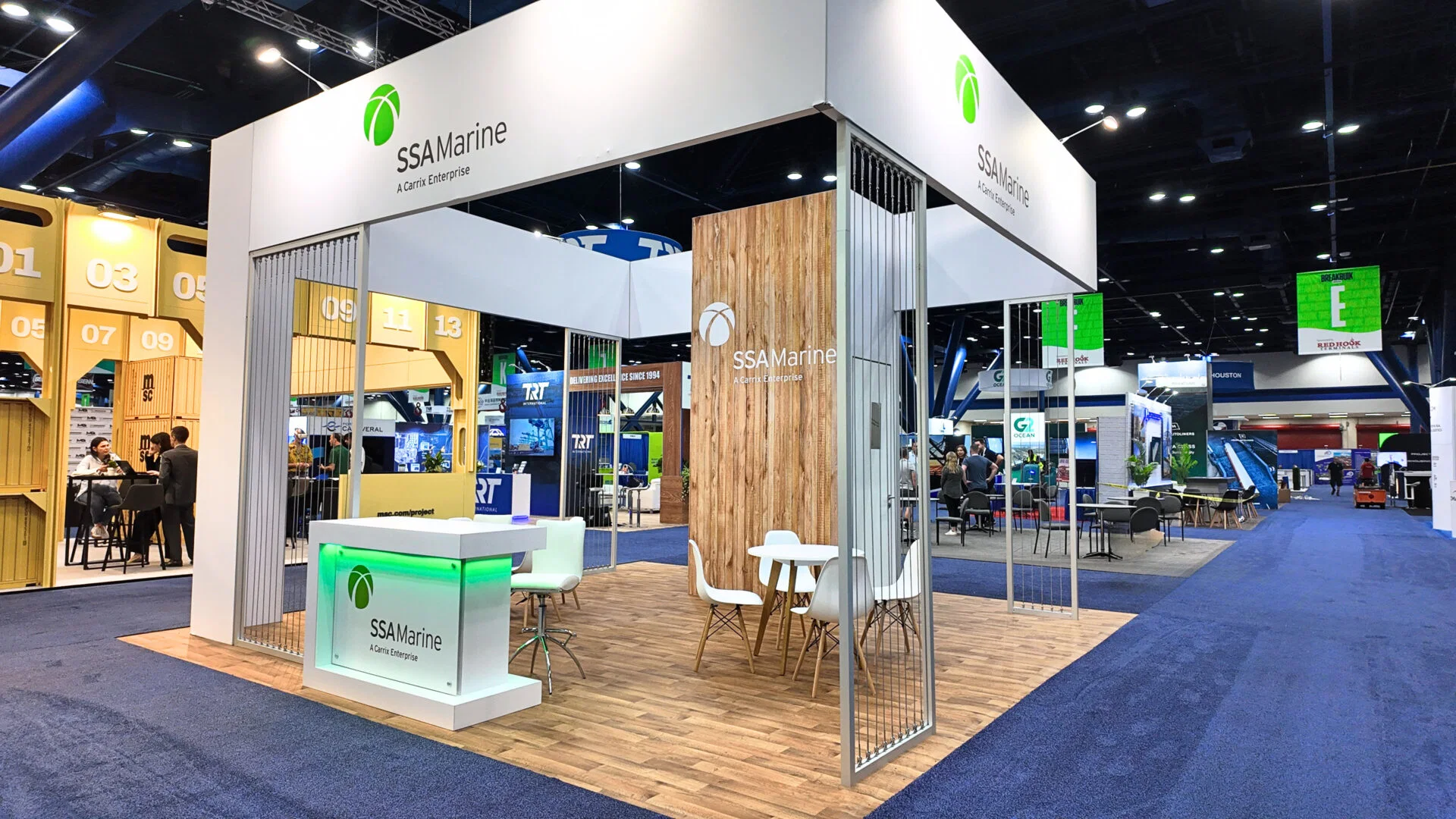
Exhibit Fabrication for Charlotte exhibits involving booth strategy, graphics, freight timing, labor planning, venue approvals, and show-site supervision.
Service Scope
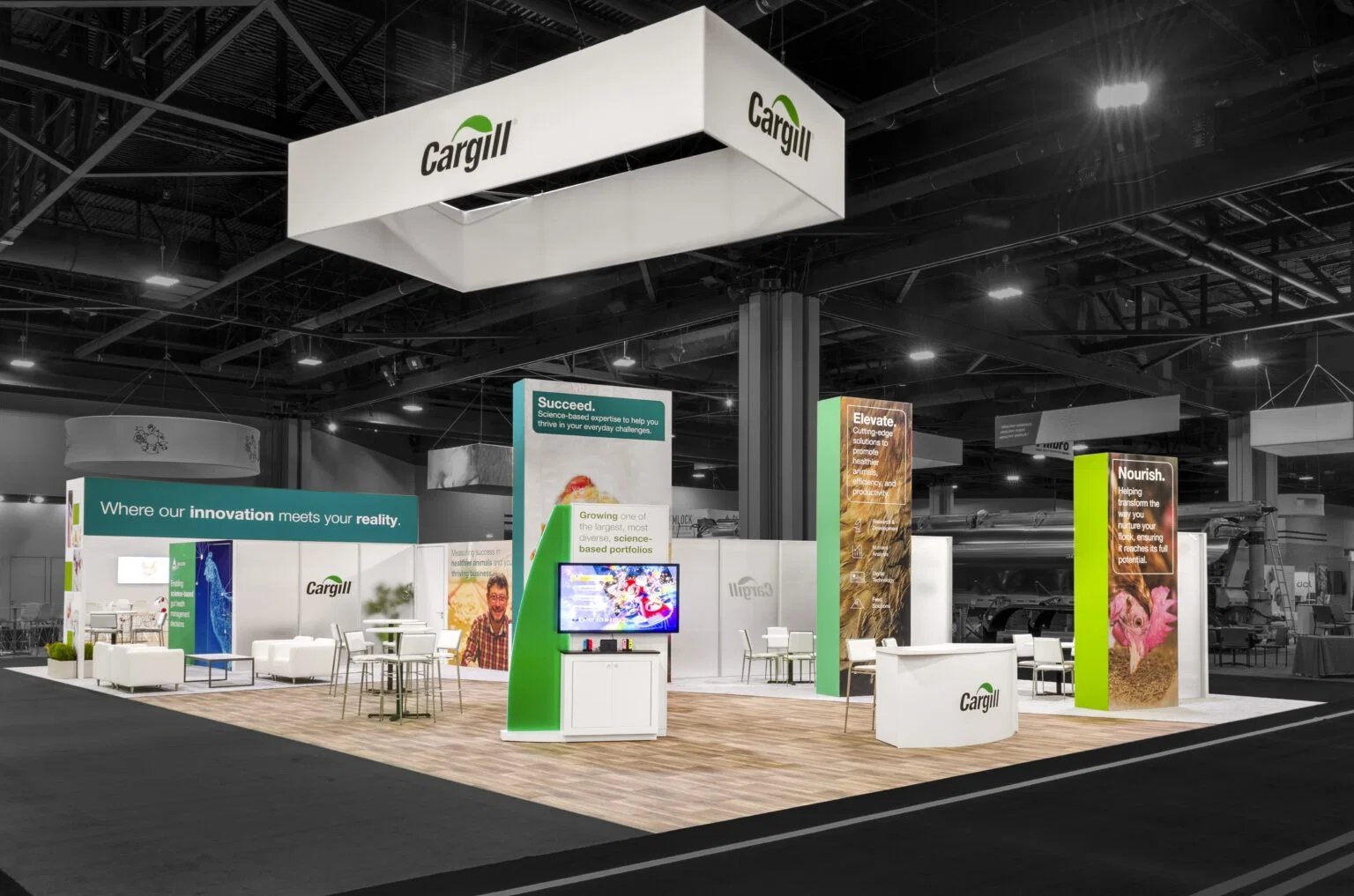
Custom Exhibit Builds for Charlotte exhibits involving booth strategy, graphics, freight timing, labor planning, venue approvals, and show-site supervision.
Service Scope
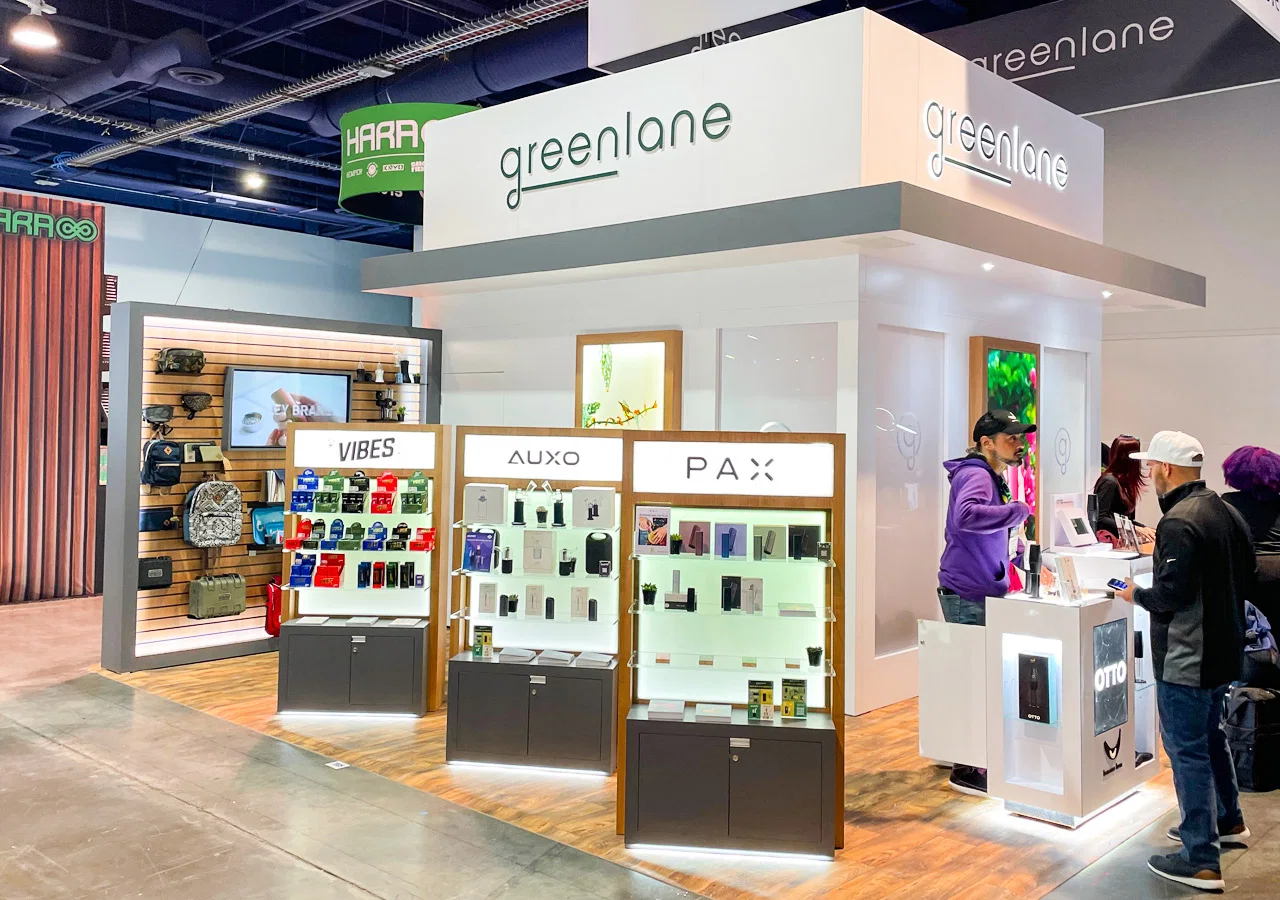
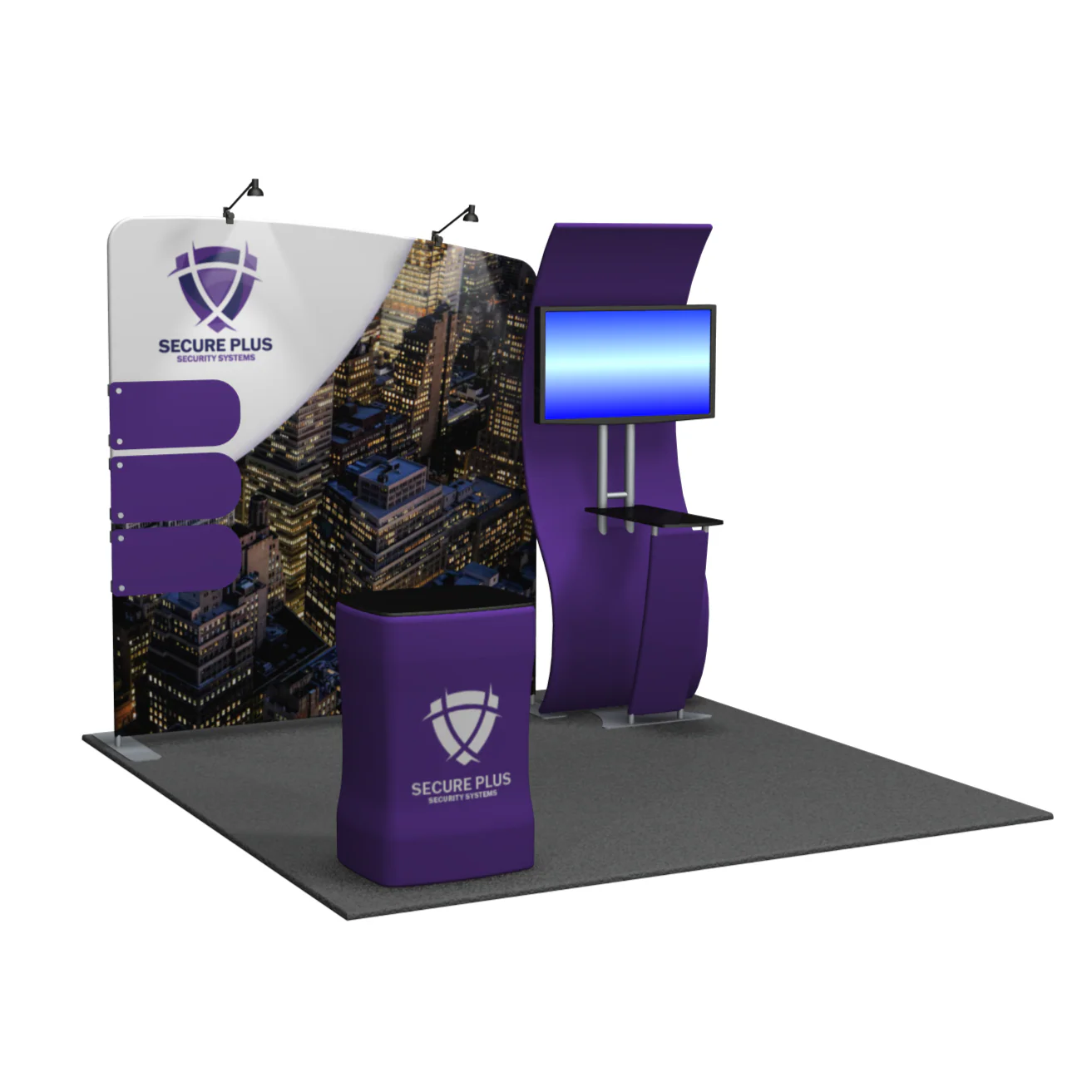
Modular Exhibit Systems for Charlotte exhibits involving booth strategy, graphics, freight timing, labor planning, venue approvals, and show-site supervision.
Service Scope
Portable Display Systems for Charlotte exhibits involving booth strategy, graphics, freight timing, labor planning, venue approvals, and show-site supervision.
Service Scope
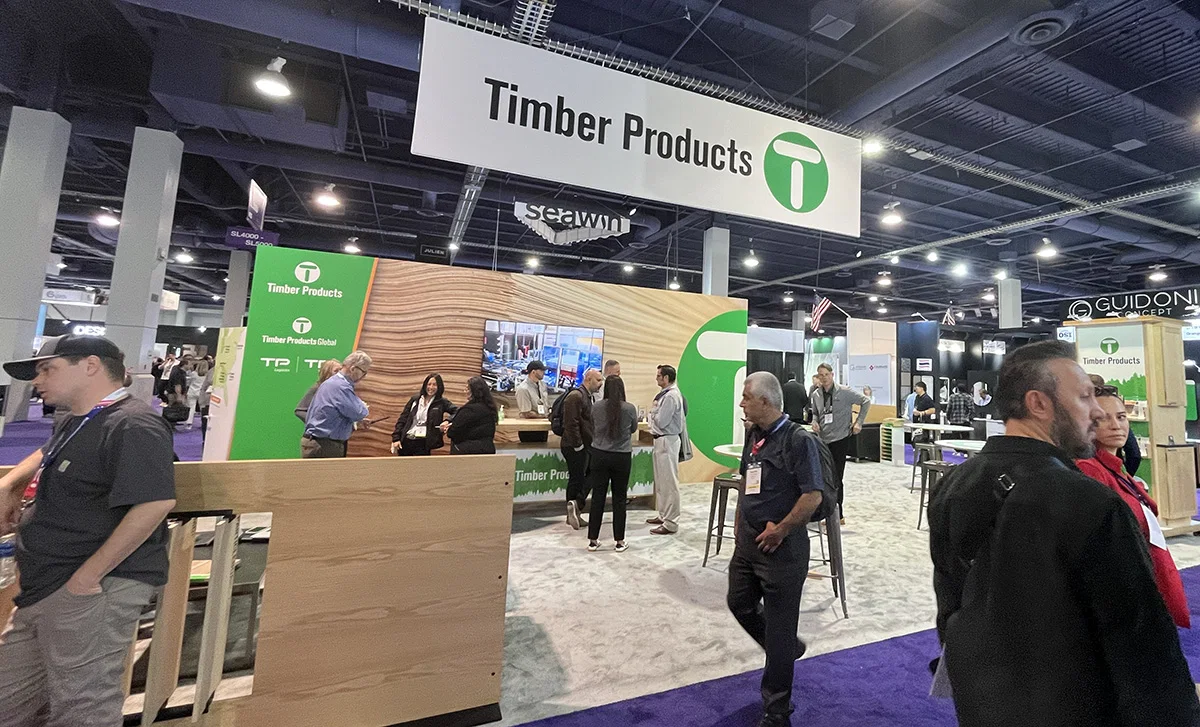
Trade Show Rental Booths for Charlotte exhibits involving booth strategy, graphics, freight timing, labor planning, venue approvals, and show-site supervision.
Service Scope
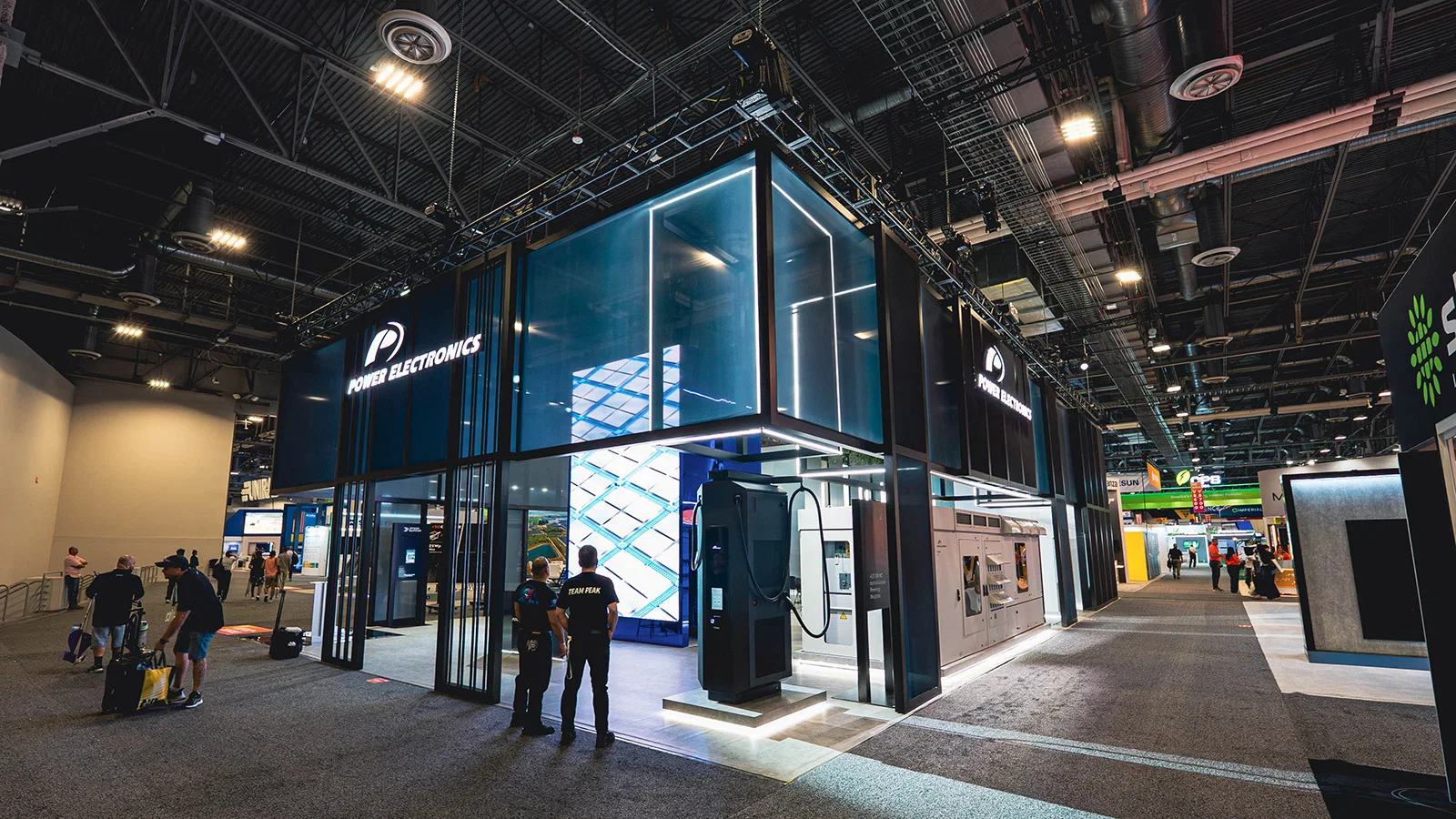
Installation and Dismantle for Charlotte exhibits involving booth strategy, graphics, freight timing, labor planning, venue approvals, and show-site supervision.
Service Scope
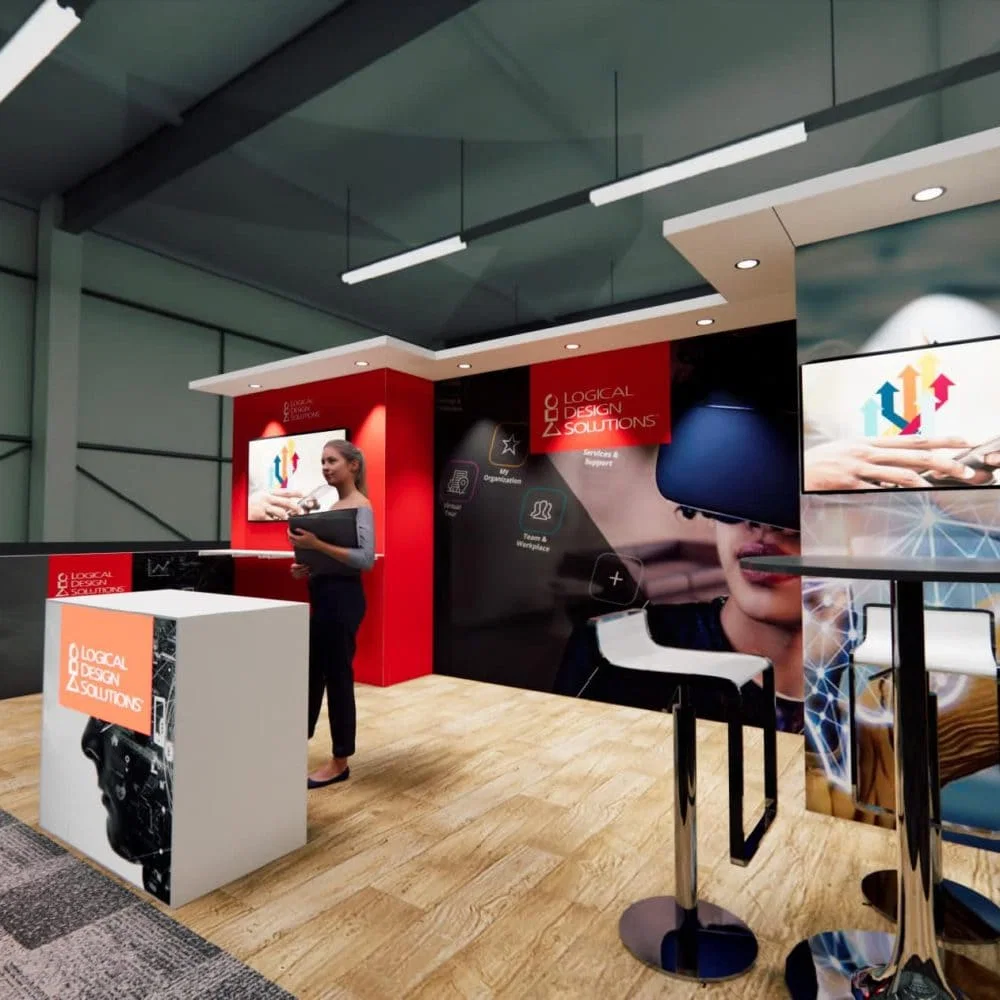
Trade Show Labor Management for Charlotte exhibits involving booth strategy, graphics, freight timing, labor planning, venue approvals, and show-site supervision.
Service Scope
Show Site Supervision for Charlotte exhibits involving booth strategy, graphics, freight timing, labor planning, venue approvals, and show-site supervision.

Service Scope
Expo Logistics and Shipping for Charlotte exhibits involving booth strategy, graphics, freight timing, labor planning, venue approvals, and show-site supervision.

Service Scope
Advance Warehouse Coordination for Charlotte exhibits involving booth strategy, graphics, freight timing, labor planning, venue approvals, and show-site supervision.
Service Scope
Drayage and Material Handling Coordination for Charlotte exhibits involving booth strategy, graphics, freight timing, labor planning, venue approvals, and show-site supervision.

Service Scope
Exhibit Storage and Asset Management for Charlotte exhibits involving booth strategy, graphics, freight timing, labor planning, venue approvals, and show-site supervision.
Service Scope
Trade Show AV Production for Charlotte exhibits involving booth strategy, graphics, freight timing, labor planning, venue approvals, and show-site supervision.
Service Scope
LED Wall and Video Integration for Charlotte exhibits involving booth strategy, graphics, freight timing, labor planning, venue approvals, and show-site supervision.
Service Scope
Lighting Design for Exhibits for Charlotte exhibits involving booth strategy, graphics, freight timing, labor planning, venue approvals, and show-site supervision.

Service Scope
Exhibit Graphics Production for Charlotte exhibits involving booth strategy, graphics, freight timing, labor planning, venue approvals, and show-site supervision.

Service Scope
Large Format Printing for Charlotte exhibits involving booth strategy, graphics, freight timing, labor planning, venue approvals, and show-site supervision.
Service Scope
Conference Stage and Set Design for Charlotte exhibits involving booth strategy, graphics, freight timing, labor planning, venue approvals, and show-site supervision.
Service Scope
Registration and Arrival Environments for Charlotte exhibits involving booth strategy, graphics, freight timing, labor planning, venue approvals, and show-site supervision.
Service Scope
Sponsorship Activation Buildouts for Charlotte exhibits involving booth strategy, graphics, freight timing, labor planning, venue approvals, and show-site supervision.
Service Scope
Experiential Brand Activations for Charlotte exhibits involving booth strategy, graphics, freight timing, labor planning, venue approvals, and show-site supervision.
Service Scope
Product Launch Environments for Charlotte exhibits involving booth strategy, graphics, freight timing, labor planning, venue approvals, and show-site supervision.
Service Scope
Pop-Up Event Fabrication for Charlotte exhibits involving booth strategy, graphics, freight timing, labor planning, venue approvals, and show-site supervision.
Service Scope
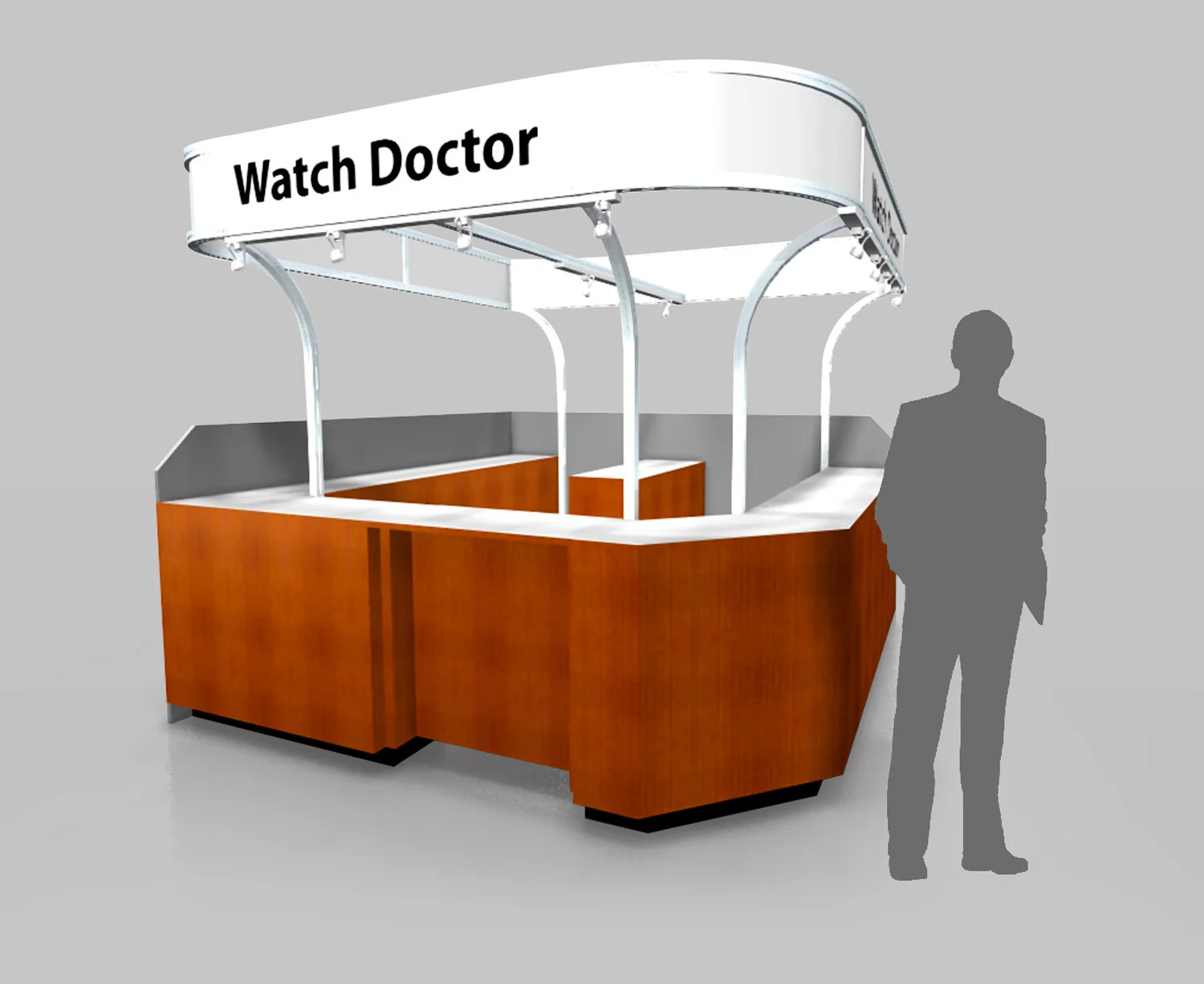
Corporate Event Environment Design for Charlotte exhibits involving booth strategy, graphics, freight timing, labor planning, venue approvals, and show-site supervision.
Service Scope
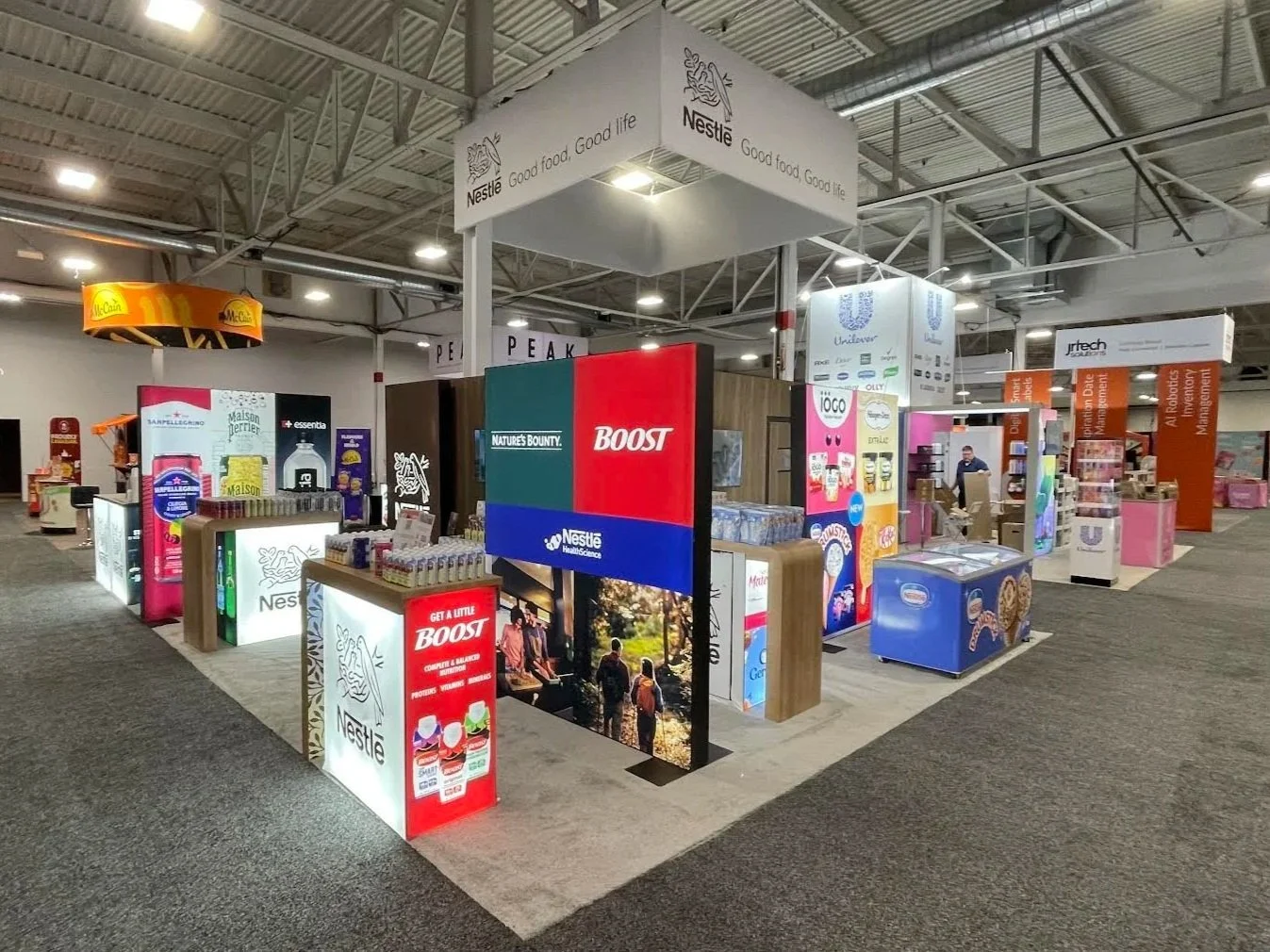
Double Deck Exhibit Management for Charlotte exhibits involving booth strategy, graphics, freight timing, labor planning, venue approvals, and show-site supervision.
Service Scope
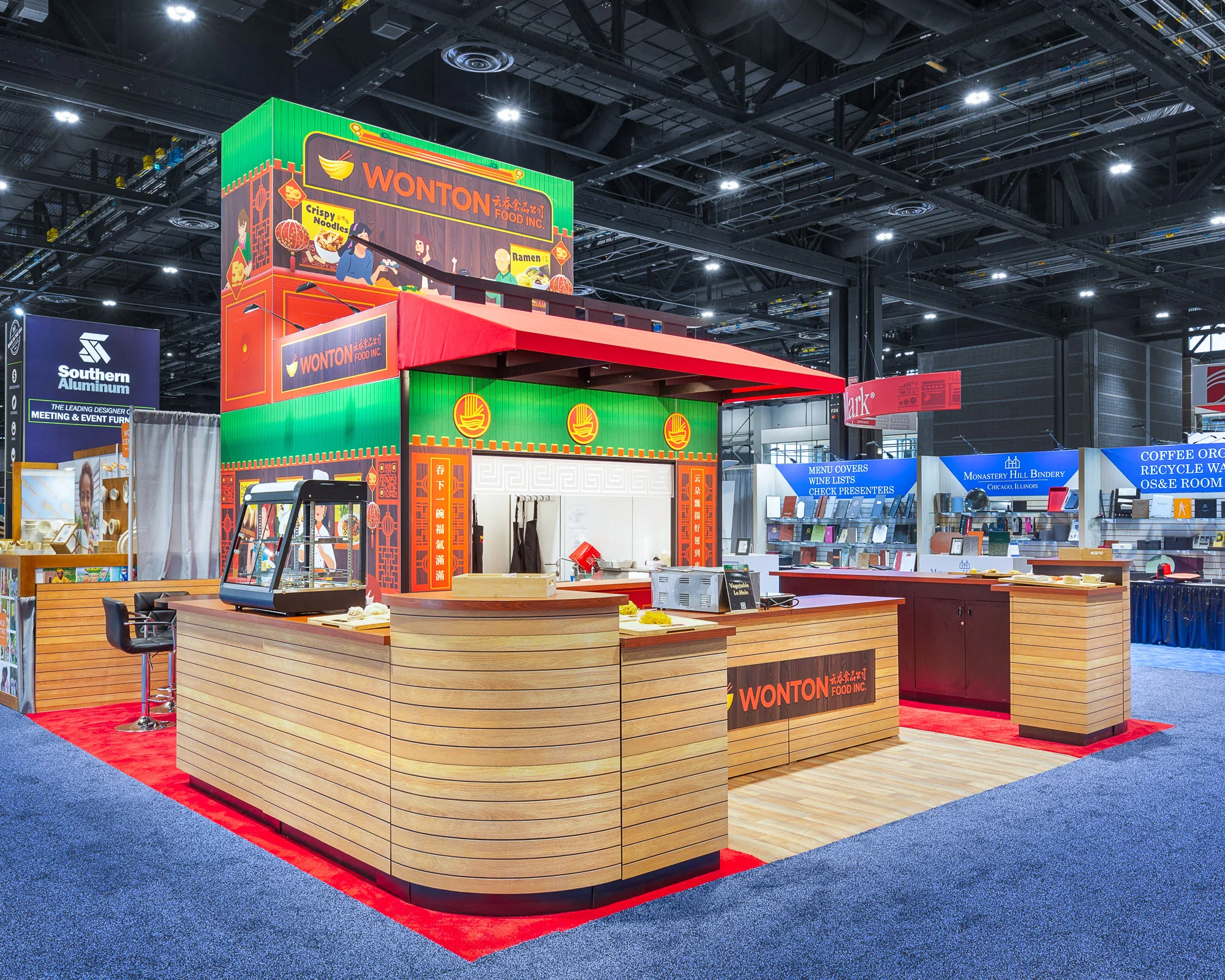
Booth Refurbishment and Reconfiguration for Charlotte exhibits involving booth strategy, graphics, freight timing, labor planning, venue approvals, and show-site supervision.
Service Scope
Multi-Show Program Rollouts for Charlotte exhibits involving booth strategy, graphics, freight timing, labor planning, venue approvals, and show-site supervision.
Charlotte has solidified its position as the Southeast’s premier meeting and convention destination, led by the Charlotte Convention Center’s 600,000-square-foot facility that includes 280,000 square feet of exhibit hall space and 154,000 square feet of breakout rooms. More than 6,400 hotel rooms are within walking distance in Uptown, supported by over 200 restaurants and bars. This infrastructure, combined with Charlotte Douglas International Airport’s 53.6 million passengers in 2025 and nonstop service to more than 188 destinations, creates exceptional access for national and international exhibitors.
The region’s 3.2 million residents and 1.7 million-member labor force have experienced 13 percent workforce growth over five years, while hosting 19 Fortune 1000 headquarters across financial services, manufacturing, technology, and aerospace. Job growth ranked second nationally among large metros by late 2025, and more than 1,000 international businesses operate here. These fundamentals drive consistent demand for sophisticated trade shows, conferences, and branded activations across Uptown, the Concord/Cabarrus corridor, adaptive venues, and South Charlotte locations.
This services index functions as an authoritative planning hub. It organizes coordination strategies for turnkey programs, general contracting, exhibit design, fabrication, installation and dismantle, AV production, logistics, and multi-show management. All guidance respects North Carolina’s regulatory environment and focuses exclusively on planning and resource alignment rather than direct execution.
Turnkey coordination consolidates every operational requirement into a single strategic framework tailored to Charlotte’s market. This includes synchronizing booth construction timelines with shipping windows, AV integration, graphics production, and labor scheduling so exhibitors maintain focus on audience engagement rather than vendor fragmentation. The approach scales effectively for Fortune 1000 brands and mid-market companies that return to Charlotte multiple times per year.
With the Charlotte Region’s strong foreign direct investment record and growing international business base, many programs require bilingual support, complex technology, and precise scheduling around global supply chains. Turnkey planning resources translate these needs into actionable calendars that account for the Charlotte Convention Center’s load-in constraints and the unique layouts of adaptive venues such as Camp North End or the Fillmore.
Effective turnkey coordination also incorporates post-show analytics and asset management planning. By maintaining continuity across multiple events, exhibitors can refine messaging, optimize budgets, and improve ROI in a market that ranks high in both corporate density and attendee accessibility.
General contractors appointed by show organizers manage core venue services including electrical, plumbing, rigging, and material handling at the Charlotte Convention Center and satellite facilities. Planning resources help exhibitors understand these official contracts, decipher show manuals, and prepare accurate orders that avoid costly change orders or last-minute adjustments.
Exhibitors choosing to appoint their own contractors must navigate specific rules established by each organizer. Coordination guidance clarifies submission deadlines, insurance requirements, and supervision protocols so that appointed partners integrate smoothly with official services. North Carolina’s right-to-work statutes provide additional flexibility in labor arrangements compared with traditional union-stronghold cities.
Whether your program occupies 10 by 20 feet in an Uptown ballroom or 50,000 square feet at Cabarrus Arena & Events Center, early alignment with general contracting parameters prevents bottlenecks. This planning layer becomes especially valuable when events combine exhibit halls with concurrent breakout sessions or hospitality activations across multiple Uptown hotels.
Charlotte events demand booth solutions that balance visual impact with practical shipping and installation realities. Planning covers custom exhibits, modular systems, portable displays, and rental inventory so each solution matches both brand objectives and the technical specifications of the chosen venue. Designs created for the Charlotte Convention Center’s high ceilings or the industrial aesthetic of adaptive reuse spaces require different considerations than standard inline booths.
Fabrication coordination ensures materials meet fire codes, structural requirements, and graphic standards published by individual shows. Early planning also determines whether assets will be built for single use, stored for future Charlotte events, or reconfigured for other national shows. With 19 Fortune 1000 companies headquartered locally, many exhibitors seek consistent brand architecture that travels efficiently from one regional program to the next.
Rental booth programs offer speed and cost predictability for first-time Charlotte exhibitors or those testing new product lines. Coordination resources evaluate rental versus ownership based on show frequency, storage logistics, and long-term marketing plans rather than pushing any single approach.
Installation and dismantle timelines are dictated by show management move-in schedules at the Charlotte Convention Center, Concord venues, and smaller facilities. Coordination involves precise scheduling of qualified crews, supervision checkpoints, and contingency planning so that exhibits are erected correctly and dismantled efficiently within assigned windows.
Labor coordination extends beyond I&D to include supervision strategies that maintain safety and productivity. In a market with steady event volume and a growing workforce, early planning helps secure appropriate skill levels and avoids peak-period conflicts. Resources focus on documentation, checklists, and communication frameworks rather than direct crew deployment.
Post-dismantle coordination addresses crate packing, outbound shipping labels, and asset tracking. This final stage ensures nothing is left behind and that inventory returns to storage or moves to the next event with complete records, supporting year-round program continuity across the Charlotte region.
Modern Charlotte trade shows increasingly incorporate large LED walls, interactive displays, streaming capabilities, and sophisticated lighting to cut through exhibit hall noise. Coordination resources align technical riders with venue power capacities, ceiling heights at the NASCAR Hall of Fame or Spectrum Center, and the specific infrastructure at each location.
Planning covers everything from simple monitor loops to immersive experiential activations that blend physical booth elements with digital content. With strong corporate and technology sectors in the region, many exhibitors require smooth integration between on-site AV and their broader digital marketing ecosystems.
Lighting design coordination enhances brand visibility while remaining within show rules and energy parameters. Early planning also includes backup equipment strategies and technical rehearsals so that presentations and demonstrations run without interruption during peak attendee hours.
Successful Charlotte programs begin with accurate freight planning. Coordination covers advance warehouse deadlines, drayage rates published by show organizers, and material handling procedures at the Charlotte Convention Center or Cabarrus Arena. Proper labeling, documentation, and tracking prevent delays that can disrupt installation schedules.
Storage and asset management strategies become important for companies that exhibit multiple times annually in Charlotte or maintain regional inventory. Planning identifies secure facilities, refurbishment cycles, and inventory databases that keep exhibits in optimal condition between events.
The region’s airport strength and interstate access support efficient inbound and outbound logistics. Coordination resources factor in these advantages when building timelines, especially for international shipments or last-minute graphic updates required by corporate headquarters located in the Charlotte metro.
Charlotte’s event infrastructure spans distinct clusters, each requiring tailored service coordination. The Uptown Convention Core centered on the Charlotte Convention Center suits large-scale exhibits and walkable hospitality. The Concord/Cabarrus corridor offers drive-in convenience and larger arenas ideal for consumer shows and automotive activations. Adaptive reuse venues deliver unique atmospheres for product launches and receptions.
South Charlotte’s executive corridor and South Carolina extension venues serve specialized audiences needing polished, smaller-footprint programs or hybrid sports-and-lifestyle experiences. Planning resources map service requirements to each cluster’s technical capabilities, audience patterns, and logistical realities so exhibitors select the right combination of design, AV, and logistics support.
Unified coordination across these varied locations allows multi-venue campaigns or year-round Charlotte presence. By understanding the strengths of each cluster, exhibitors can distribute budgets efficiently and create consistent brand experiences regardless of specific venue.
Planner questions
Charlotte combines the 280,000 square feet of exhibit space at its convention center with more than 6,400 walkable hotel rooms, nonstop air service to 188 destinations, 19 Fortune 1000 headquarters, and the second-highest job growth rate among large U.S. Metros. These factors create steady demand for national expos, association meetings, and branded activations across multiple venue types.
Each location publishes distinct technical specifications, load-in procedures, and material handling rules. Uptown venues emphasize walkable hospitality and dense attendee flow while Concord facilities support larger drive-in crowds and arena-scale productions. Early planning maps services to the chosen cluster’s unique infrastructure and audience patterns.
An EAC is a specialized vendor chosen by the exhibitor rather than the show’s official general contractor. Coordination ensures the appointed partner meets all insurance, supervision, and scheduling requirements published in the show manual so their work integrates smoothly with official services at the Charlotte Convention Center or other regional venues.
Accurate freight timing, proper labeling, and adherence to advance warehouse deadlines prevent costly on-site delays. With high event volume and tight move-in windows at major facilities, coordinated shipping and drayage strategies protect installation schedules and overall program success.
North Carolina is a right-to-work state, giving exhibitors and organizers flexibility in labor arrangements. Specific rules still vary by show organizer and venue, making early review of show manuals and coordination with general contractors essential for compliance and efficiency.
Consistent planning across events at different venue clusters allows reuse of assets, refinement of messaging, and economies of scale in fabrication and logistics. Centralized coordination maintains brand standards while adapting to the technical and audience requirements of each specific location and show.
Ready to brief your project?
Contact our team to map a precise service strategy for the Charlotte Convention Center, Concord venues, or any regional cluster. We align every required element to your objectives, timeline, and budget.