
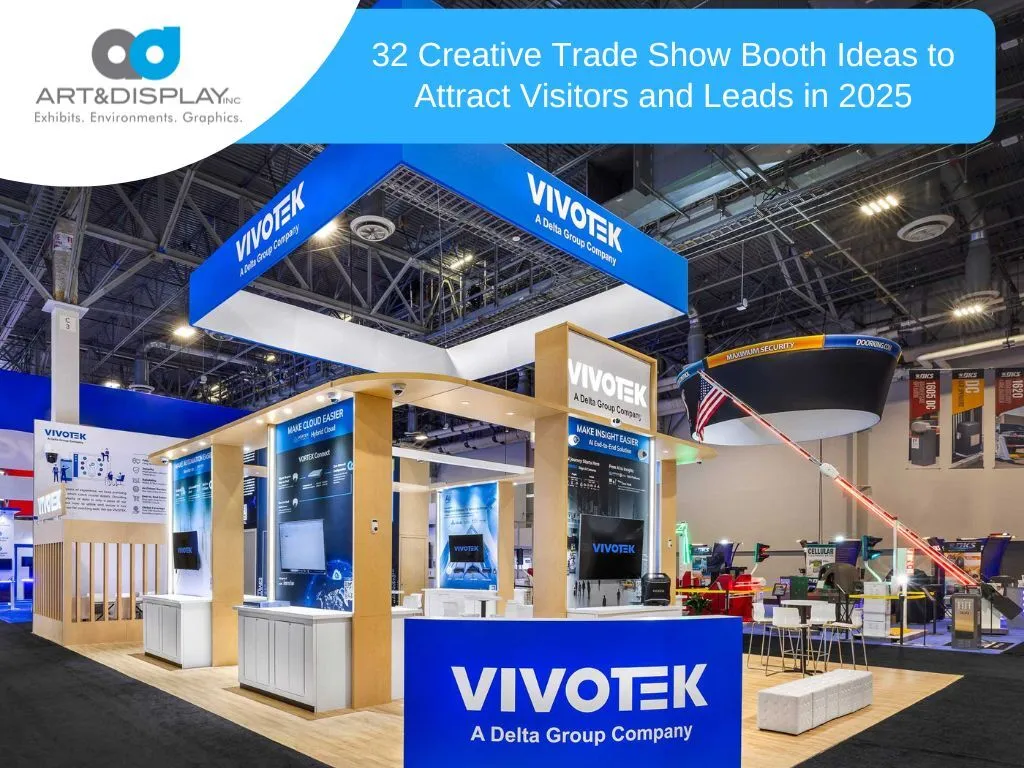
Charlotte has solidified its position as a leading Southeastern destination for trade shows and branded events, offering planners a rich mix of large-scale convention facilities and distinctive activation venues. With the Charlotte Convention Center providing 280,000 square feet of exhibit hall space alongside 154,000 square feet of breakout space and more than 6,400 walkable hotel rooms, the city supports sophisticated experiential marketing programs that align with broader trade show objectives. Coordination of these activations draws on the destination's unified approach through the CRVA, which streamlines sales, marketing, and venue management for meetings and events.
Planning experiential brand activations in Charlotte requires strategic consideration of the region's venue clusters, from the Uptown Convention Core to the Concord Cabarrus Corridor and adaptive reuse spaces such as Camp North End, the Fillmore, Spectrum Center, and Truist Field. These options enable brands to move beyond standard exhibits into interactive environments that foster deeper connections with audiences drawn from the 3.2 million residents and 1.7 million members of the labor force across the 15-county region. Exceptional global access through Charlotte Douglas International Airport, which handled 53.6 million passengers in 2025 with nonstop service to more than 188 destinations, further facilitates national and international team participation.
The city's corporate depth, with 19 Fortune 1000 headquarters spanning financial services, retail, manufacturing, aerospace, and technology, combined with more than 1,000 international businesses and over 8,400 jobs added through foreign direct investment since 2022, creates concentrated opportunities for targeted brand engagements. Job growth that ranked the Charlotte metro second nationally among large U.S. Metros by the end of 2025 signals continued momentum for events that leverage experiential activations to stand out in competitive schedules.
Defining Experiential Brand Activations Within Trade Show Frameworks
Experiential brand activations transform conventional trade show participation by creating interactive, memorable engagements that go beyond static displays. These programs combine storytelling, technology, sensory elements, and direct audience participation to strengthen emotional connections and improve recall among attendees. In Charlotte, where the convention calendar intersects with corporate headquarters density and regional economic expansion, such activations serve as strategic platforms for product launches, thought leadership, and relationship building.
Coordination begins with clear definition of objectives, whether focused on lead capture, brand awareness, or direct sales conversion. Planners must map these goals against the specific attributes of selected venues while ensuring smooth integration with adjacent trade show elements such as booth presence, educational sessions, and hospitality functions. The approach emphasizes data-driven design that accounts for attendee flow, dwell time, and post-event behavior patterns observable in Southeastern markets.
Charlotte's infrastructure advantages, including its position as the Southeast's premier meeting and convention destination with more than 200 restaurants and bars within walking distance of Uptown venues, enable activations that extend throughout the day and into evening programming. This environment supports concepts that leverage both formal exhibit halls and adjacent public spaces for extended brand storytelling.
Charlotte Convention Center as Activation Foundation
The Charlotte Convention Center functions as the primary anchor for many the activations, offering 600,000 square feet of total facility space that includes 280,000 square feet of contiguous exhibit hall area. This scale accommodates large-scale interactive installations while the 154,000 square feet of breakout space supports smaller, targeted experiences or educational tie-ins. Planners utilize these assets to create layered programming that aligns with major conferences and trade events.
More than 6,400 hotel rooms within walking distance facilitate attendee convenience and enable fluid movement between sessions, exhibit floors, and branded activation zones. The CRVA's unified destination management structure helps coordinate these elements efficiently. When paired with Charlotte Douglas International Airport's extensive connectivity, brands can deploy specialized equipment and personnel with reduced logistical friction.
Effective planning accounts for the center's technical capabilities and adjacency to landmarks such as the NASCAR Hall of Fame, which can provide thematic inspiration for certain industry activations. Coordination resources focus on maximizing the return from this central infrastructure while preparing contingency approaches for peak scheduling periods.
- 280,000 square feet of dedicated exhibit hall space
- 154,000 square feet of flexible breakout and meeting space
- Direct access to 6,400 walkable hotel rooms
- Proximity to busy Uptown dining and entertainment options
Adaptive Reuse and Entertainment Venues for Distinctive Experiences
Beyond traditional convention facilities, Charlotte's Adaptive Reuse Activation Zone offers venues that lend themselves to creative, atmosphere-driven brand activations. Locations including Camp North End, the Fillmore, the Underground, Spectrum Center, and Truist Field provide unique architectural and experiential backdrops that help brands create shareable, memorable moments. These spaces often suit evening receptions, product launches, or hospitality programs that complement daytime trade show activity.
Camp North End in particular brings an industrial-chic character suitable for innovative installations, while music and entertainment venues like the Fillmore support activations that incorporate live elements or immersive technology. Sports-oriented locations such as Spectrum Center and Truist Field allow brands to tap into local enthusiasm and create thematic tie-ins. Planning requires detailed assessment of each venue's technical specifications, capacity, and relationship to primary convention sites.
Coordination in these environments emphasizes flexibility and creative problem solving to ensure brand messaging remains consistent across potentially varied settings. The diversity of these options allows planners to match activation concepts to specific audience segments drawn from the region's growing workforce and international business community.
- Camp North End for distinctive industrial atmospheres
- The Fillmore and the Underground for entertainment integrations
- Spectrum Center and Truist Field for sports-adjacent hospitality
- Opportunities to extend impact beyond standard exhibit hours
Concord and Cabarrus Corridor for Expanded Reach
The Concord Cabarrus Event Corridor north of Charlotte expands activation possibilities with venues including the Embassy Suites Charlotte Concord, Concord Convention Center, Cabarrus Arena & Events Center, Charlotte Motor Speedway, and Great Wolf Lodge Concord. These locations often accommodate regional conventions, consumer shows, and enthusiast events that draw drive-in attendance from throughout the 15-county region. The corridor supports larger-scale or family-inclusive brand experiences that complement urban programming.
Motorsports-related venues provide thematic opportunities for brands in automotive, technology, or lifestyle categories, while family-focused destinations enable hybrid activations that blend business objectives with broader appeal. Planning coordination must address transportation logistics between Uptown and Concord sites as well as differing audience profiles compared to downtown events.
This geographic diversity allows brands to extend their Charlotte presence across multiple days or audience segments. The area's amenities and venue features, including those at Cabarrus Arena, support production elements necessary for high-impact experiential components while benefiting from the region's overall workforce growth and economic momentum.
- Cabarrus Arena for versatile large-format capabilities
- Motorsports venues for themed brand integrations
- Family-oriented options at Great Wolf Lodge Concord
- Drive-in accessibility expanding regional audience reach
Integration with Broader Trade Show Coordination
The activations achieve greatest impact when fully integrated with supporting trade show services including booth design, exhibit fabrication, installation and dismantle, AV production, and logistics. In Charlotte, this means synchronizing activation elements with advance warehouse coordination, drayage, material handling, and show site requirements to ensure technical and operational seamlessness. LED walls, video integration, and specialized lighting must enhance the experiential narrative without introducing complexity.
Project management resources help align timelines across potentially multiple venues within the Uptown, Concord, or South Charlotte corridors. The region's right-to-work environment and 13 percent five-year labor force growth contribute to a stable foundation for scaled event execution. Storage and asset management considerations also factor into long-term planning for brands that maintain a consistent presence across multiple Charlotte events.
Logistics planning addresses shipping routes, material flow, and setup sequences that protect the integrity of custom activation components. This comprehensive approach ensures that experiential elements reinforce rather than compete with core exhibit strategies, creating a unified brand presence that resonates with Charlotte's corporate and professional audiences.
Aligning Activations with Charlotte's Economic and Corporate Landscape
Charlotte's 19 Fortune 1000 corporate headquarters and more than 1,000 international businesses create a compelling environment for targeted experiential activations. The concentration of decision-makers in financial services, manufacturing, aerospace, technology, and related sectors allows brands to design programs that speak directly to industry-specific priorities and pain points. Foreign direct investment adding over 8,400 jobs since 2022 further diversifies the audience and introduces global perspectives to local events.
The metro area's job growth ranking and expanding 1.7 million labor force signal increasing attendance at trade shows and conferences, raising the stakes for activations that must cut through competitive noise. Planning resources emphasize audience research and segmentation to maximize relevance and return on investment within this dynamic market. Venues across South Charlotte executive corridors and Rock Hill extensions provide additional options for more focused or specialized programming.
Measurement frameworks should connect activation metrics to broader business outcomes such as qualified leads, pipeline influence, or brand perception shifts. Charlotte's continued momentum as a convention destination with strong infrastructure and business climate supports increasingly ambitious experiential concepts that deliver tangible value to participating brands.
- Targeting 19 Fortune 1000 headquarters across key sectors
- Capitalizing on international business growth and FDI trends
- Aligning with 13 percent five-year workforce expansion
- Utilizing second-place national job growth ranking for market timing
Coordination Best Practices for Charlotte Market Success
Successful experiential brand activation planning in Charlotte begins with early venue evaluation across the five primary clusters, including the Uptown Convention Core with its walkable hotels and nightlife, the Concord corridor for larger regional draw, and adaptive spaces optimized for atmosphere and creativity. Each selection carries implications for technical requirements, attendee logistics, and integration with the overall event calendar managed through the CRVA structure.
Best practices include detailed technical riders, contingency planning for peak periods at the Charlotte Convention Center, and clear communication protocols with all service providers. Activations should incorporate flexible design elements that adapt to venue-specific constraints while maintaining consistent brand messaging. Post-event analysis drawing on attendee data and performance indicators helps refine approaches for subsequent programs in this evolving Southeastern hub.
The combination of robust convention inventory, diverse activation-friendly venues, exceptional air access, and strong economic indicators positions Charlotte as a strategic market for brands seeking immersive engagement. Coordination as a planning resource focuses on leveraging these assets to create experiences that resonate with the region's professional communities and deliver measurable advancement of marketing objectives.
Frequently Asked Questions About Experiential Brand Activations in Charlotte
What makes Charlotte a strong market for experiential brand activations?
Charlotte combines 280,000 square feet of exhibit space at the Convention Center, more than 6,400 walkable hotel rooms, diverse venue clusters including adaptive reuse spaces like Camp North End, global airport access with 188 nonstop destinations, and 19 Fortune 1000 headquarters. This infrastructure supports immersive activations that reach a growing 3.2 million population base and expanding corporate community.
Which venue clusters work best for different types of brand activations?
The Uptown Convention Core suits integrated convention programs, the Concord Cabarrus Corridor fits larger regional or consumer activations, the Adaptive Reuse Zone including Camp North End and the Fillmore excels for creative storytelling, while South Charlotte and Rock Hill options support executive or specialized hospitality experiences.
How should activations integrate with other trade show services?
Coordination aligns experiential elements with booth design, AV production, lighting, logistics, shipping, installation, and project management. This ensures technical components like LED walls and interactive features enhance overall exhibit strategy while maintaining operational efficiency across Charlotte venues.
Why does airport connectivity matter for activation planning?
Charlotte Douglas International Airport's handling of 53.6 million passengers in 2025 and nonstop service to over 188 destinations simplifies deployment of teams, equipment, and talent. This connectivity reduces logistical barriers for national and international brands executing time-sensitive experiential programs.
What economic factors support activation investment in Charlotte?
The region features second-place national job growth, 13 percent five-year workforce expansion, 19 Fortune 1000 headquarters, and more than 8,400 new jobs from foreign direct investment since 2022. These indicators create a robust audience of decision-makers across multiple industries.