Charlotte stands out as a strategic market for automotive trade shows due to its established motorsports ecosystem led by Charlotte Motor Speedway and the NASCAR Hall of Fame. These assets create authentic backdrops for brand launches, enthusiast programs, and experiential builds that connect directly with industry professionals and consumers. The region’s manufacturing momentum, recognized as a top-10 state market, further supports supplier networking events, parts demonstrations, and innovation-driven exhibitions that draw participants from across the supply chain.
The Charlotte Convention Center supplies 280,000 square feet of exhibit hall space alongside 154,000 square feet of breakout rooms, enabling comprehensive programming that accommodates vehicle displays, technical seminars, and interactive technology zones. Planners benefit from the venue’s integration within Uptown’s walkable district, which includes more than 6,400 hotel rooms and over 200 restaurants, facilitating extended attendee engagement without complex transportation requirements. Charlotte Douglas International Airport reinforces this accessibility with service to more than 188 nonstop destinations and 53.6 million passengers handled in 2025.
Effective coordination of automotive events in Charlotte focuses on aligning these infrastructure advantages with sector-specific objectives such as product introductions, partnership development, and market education. The region’s 3.2 million population, 1.7 million labor force, and 13 percent five-year workforce growth create a robust audience pool, while 19 Fortune 1000 headquarters across manufacturing, technology, and related fields generate sustained demand for targeted trade show programming.
Charlotte’s Motorsports and Manufacturing Foundation for Automotive Events
The motorsports and automotive sector serves as a primary demand driver for events in the Charlotte region. Charlotte Motor Speedway and associated NASCAR-linked assets in the Concord event corridor enable planners to create authentic experiences that resonate with both enthusiasts and technical audiences. These venues support brand launches, performance demonstrations, and hospitality programs that extend the impact of traditional trade show formats.
Advanced manufacturing strength further bolsters automotive trade show potential. The CLT Alliance identifies Charlotte as a top-10 state market for manufacturing, with significant job creation from foreign direct investment exceeding 8,400 positions since 2022. This environment attracts suppliers, engineers, and procurement professionals who value opportunities to evaluate components, discuss specifications, and explore partnership possibilities in person.
Regional economic indicators reinforce long-term viability. The metro area ranked second nationally for job growth among large metros by the end of 2025, supported by a labor force of 1.7 million and steady population expansion across 15 counties. These factors create a concentrated base of decision-makers and technical talent that planners can target through strategic exhibit programming and targeted invitations.
- Motorsports assets enable experiential builds and enthusiast engagement
- Manufacturing depth supports supplier expos and technical demonstrations
- Foreign direct investment adds international business perspectives
- Consistent job growth sustains audience quality year over year
Venue Selection Strategies for Automotive Programming
The Charlotte Convention Center functions as the primary facility for citywide automotive trade shows, offering 600,000 square feet total with dedicated exhibit halls suitable for full-scale vehicle displays, interactive technology pavilions, and concurrent supplier booths. Its 154,000 square feet of breakout space allows for technical sessions, certification workshops, and panel discussions that complement floor activity.
The Concord / Cabarrus County corridor expands options for specialized automotive events. Charlotte Motor Speedway, Cabarrus Arena & Events Center, and adjacent hospitality properties support drive-in attendance patterns and larger experiential formats. These venues align particularly well with programming that incorporates track demonstrations, product testing areas, or enthusiast components.
Uptown Charlotte clusters additional venues including the NASCAR Hall of Fame, the Westin Charlotte, Hilton Charlotte Uptown, and Charlotte Marriott City Center. This concentration enables planners to coordinate trade show days with evening receptions, VIP tours, and hospitality activations within a walkable district that enhances attendee convenience and networking density.
- Charlotte Convention Center for large-scale exhibits and multi-track conferences
- Charlotte Motor Speedway for experiential and enthusiast-focused events
- NASCAR Hall of Fame for sponsor activations and premium hospitality
- Concord Convention Center and Cabarrus Arena for regional scale programming
Logistics Coordination and National Accessibility
Charlotte Douglas International Airport provides exhibitors and field teams with unusually strong national and international reach for a Southeast market. Nonstop service to more than 188 destinations simplifies travel for corporate representatives, international partners, and specialized speakers, reducing scheduling friction and supporting tighter program timelines.
The unified destination management structure through the CRVA integrates convention center operations, sales, and venue management, creating predictable planning pathways for complex automotive events. Planners can coordinate exhibit installation, attendee movement, and hospitality elements with greater confidence when leveraging this centralized framework.
Uptown’s concentration of 6,400 walkable hotel rooms near the convention center and NASCAR Hall of Fame minimizes transportation logistics while maximizing opportunities for informal networking. Secondary corridors in SouthPark, Ballantyne, and University City offer additional hotel and meeting inventory for overflow programming or targeted executive sessions.
Exhibit Design and Experiential Activation Approaches
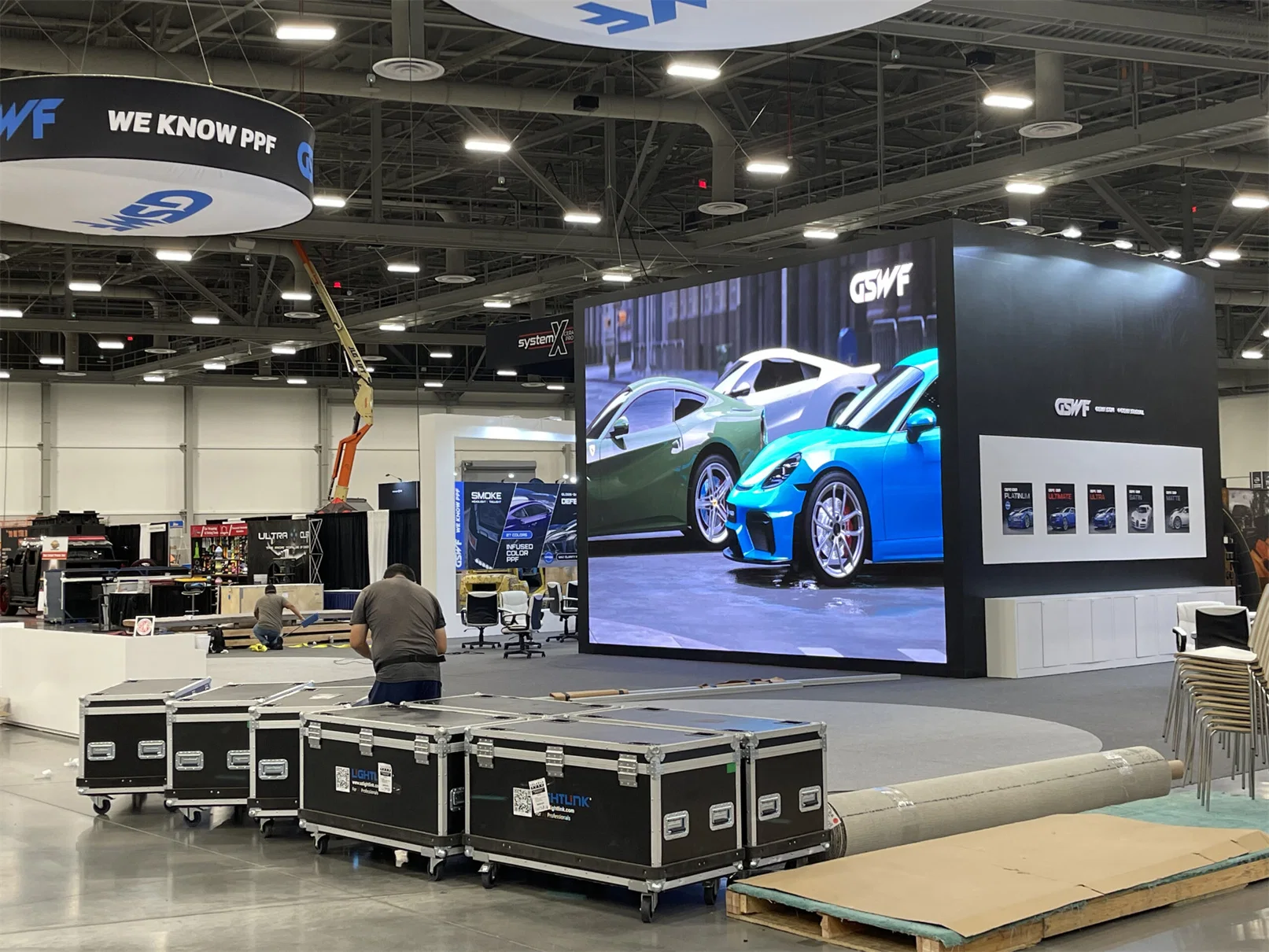
Automotive trade shows in Charlotte benefit from venue capabilities that support both technical precision and high-energy experiential elements. Planners frequently integrate vehicle showcases, simulation zones, and component demonstration areas within the Charlotte Convention Center’s expansive exhibit halls. These formats allow brands to demonstrate performance characteristics, safety innovations, and emerging technologies in context.
The NASCAR Hall of Fame and Charlotte Motor Speedway provide natural settings for immersive activations that deepen emotional connections with automotive audiences. Sponsor hospitality programs, VIP track access, and interactive displays leverage the region’s motorsports credibility to differentiate exhibit experiences from standard industry events.
Successful coordination requires balancing educational content with engaging demonstrations. Breakout spaces enable deeper dives into topics such as supply chain optimization, electric vehicle infrastructure, and manufacturing advancements while the exhibit floor maintains energy through live presentations and interactive stations.
- Vehicle display zones supported by high-ceiling exhibit halls
- Interactive technology demonstrations highlighting innovation
- VIP hospitality integrations at specialized venues
- Educational breakout sessions paired with floor activations
Audience Development and Corporate Engagement
The presence of 19 Fortune 1000 headquarters across manufacturing, technology, retail, and financial services creates a built-in audience for automotive trade shows. Planners can develop targeted outreach to procurement teams, engineering departments, and innovation groups that actively seek supplier relationships and technology updates.
Life sciences, logistics, and technology sectors present crossover opportunities. Charlotte’s role as the second-largest financial center and its growing innovation economy support hybrid programming that attracts broader corporate audiences interested in fleet management, mobility solutions, and sustainable transportation topics.
Regional growth metrics inform audience scaling decisions. With 13 percent workforce expansion over five years and more than 1,000 international businesses established, events can incorporate both local market depth and national draw. Coordination strategies often include multi-channel invitations, association partnerships, and targeted digital campaigns aligned with event themes.
Strategic Planning Considerations for Maximum Impact
Effective automotive trade show coordination in Charlotte begins with clear objective setting around brand visibility, lead generation, or technical education. Venue selection then follows from these goals, with the convention center suiting broad exhibitions and speedway-adjacent properties supporting more specialized experiential formats.
Integration across the event district maximizes value. Planners often combine main exhibit days at the Charlotte Convention Center with hospitality functions at nearby hotels or the NASCAR Hall of Fame, creating continuous engagement opportunities that extend return on investment for participating brands.
Measurement frameworks should capture both quantitative attendance data and qualitative outcomes such as partnership discussions and technology feedback. The region’s business-friendly environment and diverse venue inventory provide flexibility to adapt programming as industry priorities evolve, from electrification to autonomous systems.
Long-term success depends on understanding seasonal patterns, competitive calendar positioning, and alignment with major industry announcements. Charlotte’s infrastructure supports both annual recurring events and one-off launches with equal effectiveness.
- Define clear objectives before selecting venues
- Sequence exhibit days with hospitality and networking
- Capture both quantitative metrics and qualitative insights
- Align timing with industry cycles and corporate calendars
Future Outlook for Automotive Events in the Charlotte Region
Continued infrastructure development and economic momentum position Charlotte for expanded automotive trade show activity. The combination of convention-scale inventory, motorsports authenticity, and corporate headquarters concentration creates a resilient platform that can accommodate evolving industry needs including electrification, connectivity, and sustainable mobility solutions.
Planners who coordinate events in this market gain access to audiences that span traditional manufacturing, emerging technology, and enthusiast communities. This diversity enables richer programming that educates, inspires, and drives business development across multiple segments of the automotive ecosystem.
The CRVA’s integrated management approach and the region’s focus on meeting and convention growth signal ongoing investment in facilities and support services. These developments will further enhance Charlotte’s reputation as a destination capable of hosting sophisticated automotive exhibitions that deliver measurable outcomes for exhibitors and organizers alike.
Frequently Asked Questions
Why is Charlotte well-suited for automotive trade shows and supplier events?
Charlotte combines motorsports assets like Charlotte Motor Speedway and the NASCAR Hall of Fame with the 280,000-square-foot Charlotte Convention Center and strong advanced manufacturing credentials. Global air access through Charlotte Douglas International Airport, 19 Fortune 1000 headquarters, and consistent job growth create an environment that supports both technical exhibitions and experiential brand activations.
Which venues work best for automotive industry programming?
The Charlotte Convention Center accommodates large-scale exhibits and multi-track conferences. Charlotte Motor Speedway and Cabarrus Arena support experiential and enthusiast events while the NASCAR Hall of Fame excels for VIP hospitality and sponsor activations. Uptown hotels such as the Westin Charlotte and Hilton Charlotte Uptown enable convenient integration of breakout sessions and receptions.
How does airport access benefit automotive trade show exhibitors?
Charlotte Douglas International Airport handled 53.6 million passengers in 2025 and offers nonstop flights to more than 188 destinations. This connectivity simplifies travel for national sales teams, international partners, technical specialists, and executive attendees, supporting tighter schedules and broader participation in automotive events.
What planning considerations are most important for automotive events?
Key considerations include aligning venue capabilities with program objectives, balancing exhibit space with educational breakout sessions, integrating hospitality at appropriate venues, and targeting both corporate headquarters and regional manufacturing networks. Coordination should account for the region’s walkable Uptown district and secondary corridors in Concord and Ballantyne.
Can automotive trade shows incorporate motorsports hospitality elements?
Yes. The NASCAR Hall of Fame and Charlotte Motor Speedway provide natural settings for sponsor activations, VIP experiences, and brand hospitality that complement traditional exhibit programming. These elements leverage the region’s motorsports heritage to create memorable interactions that strengthen relationships with dealers, suppliers, and enthusiasts.
What economic factors support ongoing automotive event demand in Charlotte?
The region reports 13 percent five-year workforce growth, more than 8,400 jobs from foreign direct investment since 2022, and second-place national ranking for job growth among large metros. Combined with manufacturing strength and 19 Fortune 1000 headquarters, these factors sustain a robust audience of professionals interested in automotive technologies, components, and partnerships.