Charlotte serves as a strategic Southeast destination for technology trade shows, supported by the Charlotte Convention Center’s 280,000 square feet of exhibit space and a regional economy led by 19 Fortune 1000 headquarters that include technology and innovation-driven organizations. Planning these events requires precise coordination of exhibit logistics, interactive demonstrations, educational programming, and attendee flows that capitalize on both the Uptown convention core and surrounding venue clusters.
The market’s 13 percent five-year workforce growth, second-place national ranking for job growth among large metros, and more than 1,000 international businesses create consistent demand for technology events that connect solutions with enterprise buyers, partners, and talent. Charlotte Douglas International Airport’s 53.6 million passengers and 188 nonstop destinations further simplify national and global attendance patterns essential to technology program scale.
Effective coordination begins with aligning venue capabilities, air and ground logistics, and content strategies to the specific objectives of technology providers, whether launching new platforms, demonstrating hardware, or convening thought leaders within the region’s innovation economy.
Charlotte’s Technology and Innovation Event Landscape
The Charlotte region’s corporate profile includes 19 Fortune 1000 headquarters spanning technology, manufacturing, and related innovation sectors. This concentration generates steady demand for trade shows where technology providers can engage decision-makers evaluating enterprise solutions, forming channel partnerships, and exploring integration opportunities.
Official regional data highlight 3.2 million residents, 1.7 million in the labor force, and 13 percent workforce growth over five years. The metro also ranked second nationally for job growth among large markets by the end of 2025, creating an environment where technology events can attract both established corporate audiences and emerging talent pools.
The CRVA’s unified management of the convention center, NASCAR Hall of Fame, and supporting venues supplies a structured framework for planning complex programs that often combine exhibit floors, concurrent sessions, and hospitality activations. Technology planners use this infrastructure to deliver smooth experiences without relying on fragmented local operators.
- 19 Fortune 1000 headquarters across key sectors including technology
- 13 percent five-year workforce growth
- Second nationally for job growth in large U.S. metros
- More than 1,000 international businesses operating in the region
Venue Selection Strategies for Technology Programs
The Charlotte Convention Center functions as the primary venue for citywide technology trade shows and multi-track conferences, offering 280,000 square feet of exhibit hall space paired with 154,000 square feet of breakout and meeting rooms. Its Uptown location places it within easy walking distance of major hotels including the Westin Charlotte, Hilton Charlotte Uptown, Charlotte Marriott City Center, Omni Charlotte Hotel, and JW Marriott Charlotte.
Adaptive-reuse and activation venues such as Camp North End, the Fillmore, and Spectrum Center provide distinctive environments for product launches and branded experiences where technology storytelling benefits from unique architectural character rather than traditional exhibit halls. These spaces complement larger convention programs by hosting targeted receptions or sponsor activations.
The Concord / Cabarrus County corridor expands options with the Embassy Suites / Concord Convention Center, Cabarrus Arena & Events Center, and adjacent hospitality properties. This northern cluster supports regional technology expos or overflow programming when Uptown dates are committed, while maintaining convenient access via interstate corridors.
South Charlotte executive venues like the Ballantyne, a Luxury Collection Hotel, and Harris Conference Center suit smaller innovation summits, executive briefings, or client-facing technology demonstrations that require polished, non-convention settings.
Logistics and National Attendee Access
Charlotte Douglas International Airport’s handling of 53.6 million passengers in 2025 and nonstop service to more than 188 destinations gives technology events a logistical advantage shared by few Southeast markets. Exhibitors and field teams can reach the market efficiently from major technology centers on both coasts and from international hubs.
This air connectivity supports compressed move-in schedules common to technology programs that involve specialized equipment, demonstration rigs, and high-value hardware. Planning sequences must account for both inbound attendee travel and outbound shipping windows to maintain tight event timelines.
The broader 15-county Charlotte Region supplies additional regional attendance from business parks in University City, SouthPark, Ballantyne, Huntersville, Mooresville, Monroe, and Gastonia. Combined with more than 8,400 jobs added through foreign direct investment since 2022, the market supports diverse attendee mixes without depending solely on long-haul travel.
Designing Effective Exhibits and Activations
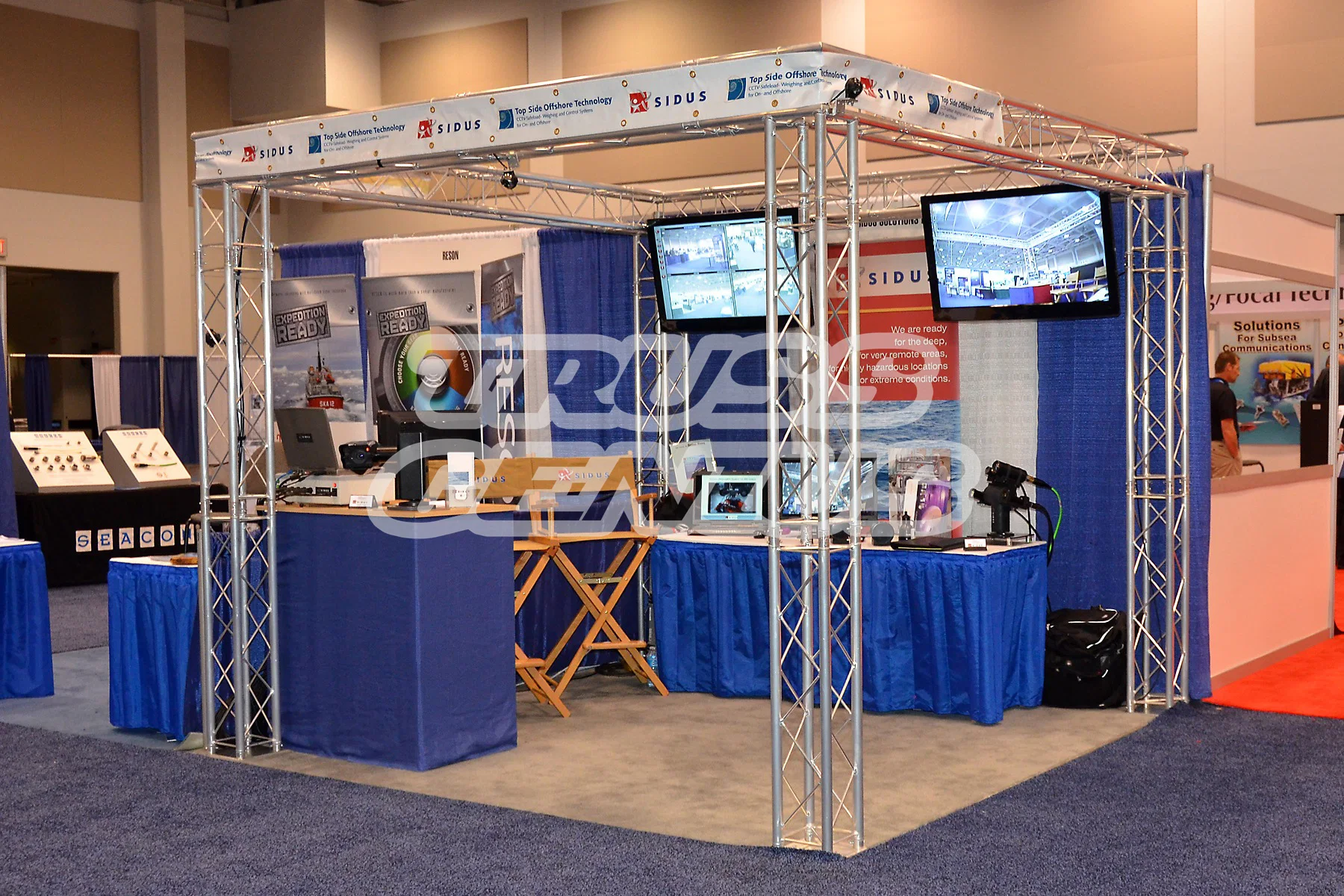
Technology audiences respond to exhibits that prioritize hands-on interaction, real-time demonstrations, and data visualization over static displays. Coordination ensures that power, data infrastructure, and rigging requirements at the Charlotte Convention Center or alternative venues are addressed during initial planning rather than as afterthoughts.
Successful programs frequently integrate educational content with exhibit access, allowing attendees to attend sessions on cybersecurity, cloud infrastructure, or digital transformation before exploring vendor solutions on the show floor. This blended format improves perceived value and lead quality for participating organizations.
Activations in special event venues such as the NASCAR Hall of Fame or adaptive-reuse spaces like Camp North End create memorable brand moments that differentiate technology providers. These experiences work particularly well when tied to larger Uptown conventions that already draw national audiences.
Planning also addresses hybrid components that stream sessions or enable virtual booth participation, extending the reach of Charlotte-based events to audiences unable to travel.
- Live product demonstrations and interactive stations
- Digital signage and real-time data integration
- Educational session alignment with exhibit hours
- Strategic hospitality and sponsor activations
- Hybrid streaming and virtual participation options
Coordinating Innovation Conferences and Launches
Charlotte’s innovation economy and adaptive-reuse campuses support conferences that blend thought leadership with practical technology exploration. These events often require more than traditional ballroom space, favoring venues that allow for flexible staging, networking zones, and demonstration areas within a single footprint.
Uptown’s concentration of restaurants and bars within walking distance of the convention center and major hotels facilitates organic evening networking that frequently generates the most valuable connections at technology events. Planners incorporate these assets when structuring multi-day schedules.
The region’s advanced manufacturing, logistics, and life-sciences clusters create opportunities for cross-industry technology showcases. Events that demonstrate solutions applicable to multiple verticals tend to draw broader attendance and stronger sponsorship support.
International business momentum further enhances launch potential, as global companies use Charlotte events to introduce Southeast-focused offerings or establish regional partnerships.
Planning Best Practices and ROI Considerations
Early venue and date selection proves critical because Charlotte hosts demand from banking, advanced manufacturing, motorsports, and healthcare sectors that compete for convention center availability. Technology planners benefit from understanding these overlapping calendars when targeting peak innovation seasons.
Program design should balance high-production elements with the market’s collaborative business culture. Events that combine substantive content, accessible networking, and measurable outcomes tend to generate repeat participation from both exhibitors and attendees.
Coordination extends to transportation between venue clusters, technology support for hybrid broadcasting, and post-event analytics that capture both attendance metrics and qualified business opportunities generated within the region’s high-growth economy.
By mapping specific event objectives to the strengths of individual venue clusters—Uptown for scale, Ballantyne for executive focus, Concord for drive-in attendance—planners can optimize both cost and impact for technology trade shows throughout the Charlotte market.
Extending Reach Across the Charlotte Region
While the Uptown convention core anchors most large technology events, secondary corridors provide valuable extensions. University City supports academic and medical technology programs, SouthPark and Ballantyne serve premium client hospitality, and the Concord corridor accommodates larger consumer-facing or regional expos.
South Carolina locations including Rock Hill Sports & Event Center and Fort Mill venues capture cross-border audiences and high-growth suburban populations tied to Charlotte employment centers. These extensions help technology programs reach specialized vertical audiences without concentrating all activity in a single district.
Comprehensive planning considers the full radial market—including Matthews, Huntersville, Mooresville, Monroe, Gastonia, and Kannapolis—to maximize both exhibitor ROI and attendee convenience across the 15-county region.
Frequently Asked Questions About Technology Trade Show Coordination in Charlotte
What makes Charlotte suitable for technology trade shows and innovation events?
The region hosts 19 Fortune 1000 headquarters, maintains 13 percent five-year workforce growth, ranks second nationally for job growth among large metros, and offers the Charlotte Convention Center’s 280,000 square feet of exhibit space plus strong air connectivity to 188 nonstop destinations.
Which venue is best for large-scale technology trade shows?
The Charlotte Convention Center is the primary choice for major technology events, providing 280,000 square feet of exhibit hall space, 154,000 square feet of breakout rooms, and direct proximity to more than 6,400 walkable hotel rooms in Uptown.
How does Charlotte Douglas International Airport support technology events?
The airport handled 53.6 million passengers in 2025 and provides nonstop service to more than 188 destinations, enabling efficient national and international travel for exhibitors, speakers, and enterprise attendees.
Can technology launches use non-traditional venues?
Yes. Adaptive-reuse campuses such as Camp North End and special event spaces like the NASCAR Hall of Fame offer distinctive environments for product launches and experiential activations that complement the convention center’s scale.
What attendee mix can technology events expect in Charlotte?
Events draw from the region’s corporate headquarters base, innovation economy, international businesses, and 1.7 million member labor force, creating a blend of enterprise decision-makers, regional professionals, and global participants.
Are hybrid formats supported for technology conferences in Charlotte?
Hybrid elements are readily accommodated across major venues through available technology infrastructure, allowing planners to combine in-person exhibits and sessions with virtual participation for broader national reach.