
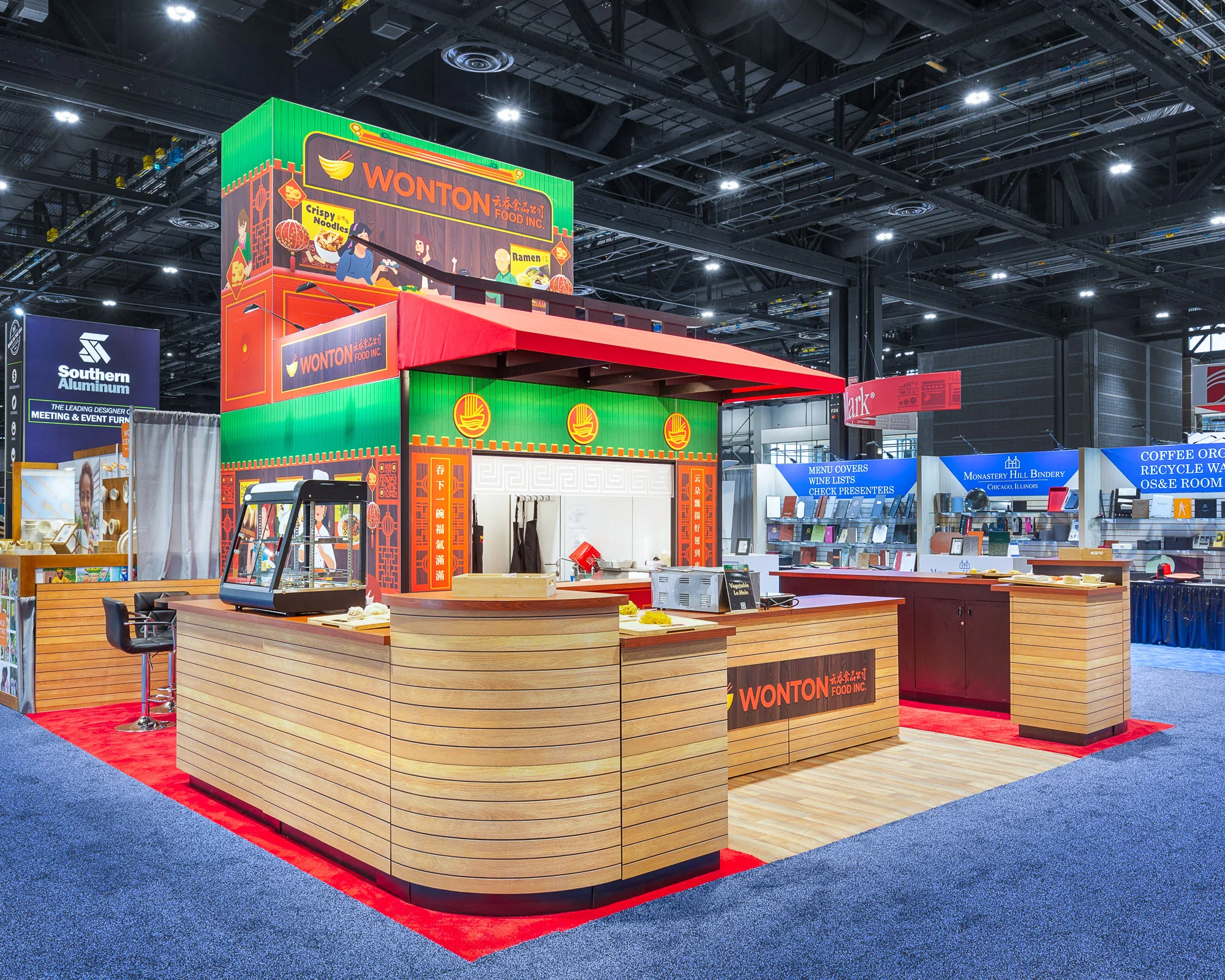
Businesses seeking to maximize their presence in the Southeast frequently turn to structured multi-show program rollouts in Charlotte. These coordinated campaigns align exhibit design, messaging, logistics, and performance metrics across a series of events to create compounding brand impact rather than isolated activations.
The Charlotte region's robust economic indicators, including 19 Fortune 1000 company headquarters and consistent job growth ranking second nationally among large metros by the end of 2025, reflect a deep pool of potential exhibitors and attendees who value well-executed multi-event strategies. With strong air connectivity via Charlotte Douglas International Airport and a convention center equipped for large-scale events, the market supports both national programs with Charlotte stops and regionally focused campaigns spanning multiple local venues.
Planning and coordination for these programs requires careful attention to the distinct characteristics of Charlotte's venue clusters, from the Uptown convention core to the Concord corridor and specialized activation spaces. This ensures each show contributes effectively to broader campaign goals while respecting the unique requirements of different event formats and audience profiles.
The Strategic Value of Multi-Show Rollouts in Charlotte
Multi-show programs transform individual trade show appearances into interconnected elements of a larger narrative. In Charlotte, where the convention calendar features events at the Charlotte Convention Center alongside specialized gatherings at the Cabarrus Arena, Spectrum Center, and executive venues like the Ballantyne, coordinated rollouts allow exhibitors to refine their approach with each iteration.
The city's position as a major Southeast hub is reinforced by its airport handling 53.6 million passengers in 2025 with service to over 188 nonstop destinations. This connectivity facilitates easier movement for national exhibit teams and equipment, supporting programs that span multiple dates throughout the year.
Charlotte Meetings promotes the area as the Southeast's premier meeting destination, citing more than 200 restaurants and bars within walking distance of Uptown venues. Such amenities enhance sponsor hospitality and attendee engagement components that are often central to multi-show strategies.
Companies benefit from treating their Charlotte participation as part of an integrated program rather than standalone efforts, enabling better budget efficiency, message reinforcement, and data-driven adjustments between events.
- Reinforces core messaging across successive events
- Optimizes budget allocation through shared assets
- Builds cumulative audience relationships
- Facilitates continuous improvement between shows
- Maximizes ROI from design and fabrication investments
Leveraging Charlotte's Venue Diversity for Program Rollouts
Charlotte offers a range of venue options that support varied components within a multi-show program. The Uptown Convention Core, led by the 600,000-square-foot Charlotte Convention Center with 280,000 square feet of exhibit space and 154,000 square feet of breakout space, suits major product launches and industry conferences.
The Concord / Cabarrus Event Corridor provides facilities like the Embassy Suites Charlotte Concord, Concord Convention Center, Cabarrus Arena & Events Center, and proximity to Charlotte Motor Speedway. These venues accommodate consumer shows, enthusiast events, and corporate hospitality with strong drive-in attendance potential.
Adaptive reuse spaces such as Camp North End, the Fillmore, the Underground, and Spectrum Center enable unique brand activations and receptions that can serve as distinctive elements within broader programs. South Charlotte executive venues like the Ballantyne and Harris Conference Center, along with Rock Hill Sports & Event Center, extend the practical radius for different program needs.
Effective rollout planning involves matching specific show objectives to the most suitable venue cluster while maintaining program continuity in design language, technology integration, and experiential elements.
- Uptown Convention Core for large-scale exhibits and conferences
- Concord/Cabarrus Corridor for regional consumer and enthusiast events
- Adaptive Reuse Zone for experiential activations and receptions
- South Charlotte Corridor for executive meetings and polished hospitality
- South Carolina Extension for sports, hybrid, and lifestyle events
Program Planning and Timeline Development
Successful multi-show rollouts begin with comprehensive planning that maps all events against a master calendar. This includes identifying key milestones for design approvals, fabrication deadlines, shipping schedules, and post-show evaluations to maintain momentum across the program.
With Charlotte's CRVA providing unified destination sales, marketing, and venue-management structure for the convention center, NASCAR Hall of Fame, and related facilities, planners can access consolidated information for multiple locations. This structure aids in developing realistic timelines that account for move-in complexities at different sites.
Early coordination also incorporates the economic context of the Charlotte Region, which reports 3.2 million people, 1.7 million in the labor force, 13 percent five-year workforce growth, and more than 8,400 jobs from foreign direct investment since 2022. Understanding attendee demographics from these growing sectors informs content and activation planning across the program.
Planning resources focus on creating flexible frameworks that accommodate schedule shifts while preserving the integrity of the overall campaign strategy and brand objectives.
- Master calendar creation spanning 12 to 24 months
- Phased design review and approval processes
- Pre-show preparation checklists standardized per event
- Post-show debrief and knowledge transfer protocols
- Contingency planning for common disruptions and delays
Ensuring Brand Consistency in Multi-Show Environments
Brand consistency forms the backbone of effective multi-show programs. This involves developing core exhibit elements, graphics packages, and interactive components that can be adapted for different booth footprints and show themes without losing recognition or impact.
Whether utilizing custom builds, modular systems, portable displays, or rental booths, the coordination process emphasizes visual and experiential continuity. LED walls, video integration, lighting design, and AV production elements should reinforce the same key messages at every stop in the Charlotte market.
In a market with diverse event types ranging from corporate conferences at Uptown hotels like the JW Marriott Charlotte to enthusiast gatherings at Great Wolf Lodge Concord or Truist Field, adaptable yet consistent branding helps audiences quickly connect with the exhibitor regardless of context.
Program coordination includes documentation and training materials that help teams at each event deliver experiences aligned with the larger brand objectives and campaign goals.
- Core messaging and visual identity standards
- Modular exhibit components for flexibility
- Technology integrations that scale by venue
- Experiential elements that transfer across shows
- Support documentation for consistent delivery
Logistics Coordination for Smooth Rollouts
Multi-show programs require sophisticated logistics planning to manage materials, shipping, and storage between events. Advance warehouse coordination, drayage, and material handling must be synchronized so that assets arrive on time and in optimal condition for each successive show in the Charlotte area.
Charlotte's central Southeast location and superior air freight capabilities through Charlotte Douglas International Airport support efficient national distribution patterns for exhibit components and promotional materials across multiple events.
Whether programs include back-to-back shows or longer intervals between activations at venues like the Charlotte Convention Center and Cabarrus Arena, coordinated logistics prevent costly delays and damage while controlling expenses across the entire campaign.
Planning focuses on creating transparent tracking systems, clear communication protocols with supply chain partners, and detailed venue-specific instructions to support smooth transitions throughout the rollout.
- Integrated shipping schedules aligned to show dates
- Asset inventory tracking and condition monitoring
- Venue-specific loading dock and access requirements
- Return shipping and interim storage strategies
- Comprehensive cost forecasting for repeated movements
Analytics and Continuous Improvement Across Programs
Data collection and analysis distinguish successful multi-show programs from fragmented participation. By establishing consistent metrics at each Charlotte event, program managers can identify trends, refine messaging, optimize activations, and demonstrate clear return on investment to stakeholders.
Key performance indicators might include lead volume and quality, engagement duration, post-show conversion rates, and brand sentiment shifts. The concentration of corporate headquarters in financial services, manufacturing, aerospace, and technology makes robust analytics particularly valuable for B2B exhibitors in the region.
Program coordination incorporates structured review processes after each show to implement improvements before the next activation. This iterative approach compounds effectiveness over the course of a full rollout calendar spanning multiple Charlotte venues.
The combination of Charlotte's business-friendly environment, growing international business community of more than 1,000 companies, and strong infrastructure provides rich opportunities for gathering meaningful insights across diverse attendee groups.
- Standardized lead capture and qualification processes
- Engagement metrics and traffic flow analysis
- Pre-event and post-event survey frameworks
- Cross-program trend identification and benchmarking
- ROI models accounting for cumulative campaign value
Integrated AV and Technology Planning
Modern trade show programs increasingly rely on sophisticated AV production, LED walls, interactive displays, and integrated lighting to create memorable experiences. Coordinating these technical elements across multiple Charlotte shows ensures technical reliability and thematic consistency from one event to the next.
From large-scale projection and video integration at the Charlotte Convention Center to more intimate setups at Harris Conference Center, the Fillmore, or executive spaces in South Charlotte, technology plans must scale appropriately while delivering the same impact level and brand alignment.
Planning includes contingency protocols for technical issues, clear documentation for setup teams at each venue, and budgeting that spreads investment across the full program rather than single events. This reduces risk and maintains the quality of the visitor experience throughout the rollout.
Charlotte's status as a hub for technology, manufacturing, and aerospace companies means that audiences often expect cutting-edge integrations, making strategic AV and technology coordination a competitive advantage in multi-show campaigns.
- Scalable AV systems designed for multiple venues
- Consistent content libraries and playback solutions
- Lighting and environmental design continuity
- Technical documentation and team briefings
- Budget optimization through reusable technology
Frequently Asked Questions About Multi-Show Program Rollouts in Charlotte
What is a multi-show program rollout in the context of Charlotte trade shows?
A multi-show program rollout is the systematic planning and coordination of exhibit strategies, assets, and metrics across a series of events in the Charlotte market. It creates continuity in branding and messaging while enabling data-driven refinements between activations at venues ranging from the Charlotte Convention Center to Concord and adaptive spaces.
Which Charlotte venues work well within multi-show programs?
Charlotte's venue clusters support varied program elements. The Uptown Convention Core including the Charlotte Convention Center handles flagship events, the Concord/Cabarrus corridor suits regional and consumer shows, adaptive spaces like Camp North End enable experiential activations, and South Charlotte venues support executive hospitality within the same overarching program.
How does Charlotte Douglas International Airport benefit multi-show programs?
The airport handled 53.6 million passengers in 2025 and offers nonstop service to more than 188 destinations. This infrastructure supports efficient travel for teams and streamlined shipping of exhibit materials, making Charlotte a practical hub for regional and national multi-show campaigns.
When should planning begin for a multi-show program in Charlotte?
Planning ideally begins 12 to 18 months in advance. This timeframe allows for unified strategy development, asset creation, venue alignment across clusters, logistics sequencing, and incorporation of Charlotte's event calendar while building in time for iterative adjustments based on early performance data.
What are the advantages of coordinated programs versus individual shows?
Coordinated programs deliver cost efficiencies through asset reuse, stronger brand reinforcement across touchpoints, consistent data collection for optimization, and cumulative audience impact. In Charlotte's growing corporate market with 19 Fortune 1000 headquarters, this approach typically yields better ROI than disconnected single-event participation.
How is success measured in a Charlotte multi-show program?
Success is evaluated using standardized KPIs applied across all events, including qualified lead volume, engagement metrics, pipeline influence, cost-per-lead trends, and overall program ROI. Post-show reviews feed continuous improvement, leveraging the region's diverse attendee base from finance, technology, manufacturing, and international businesses.