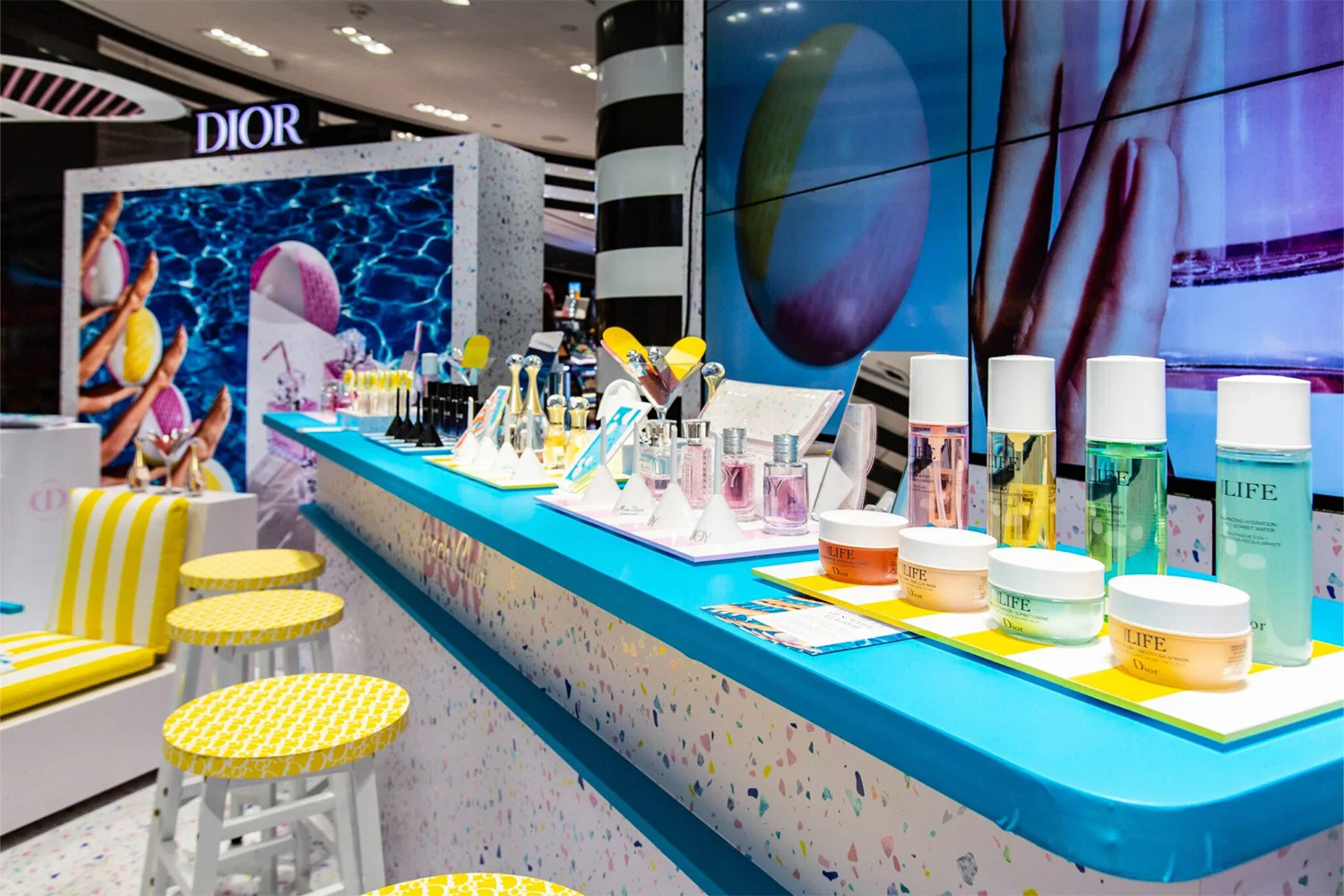
Pop-up events provide time-sensitive, location-specific opportunities to engage audiences in non-traditional settings that complement Charlotte’s established convention, conference, and expo activity. The city’s 600,000-square-foot Charlotte Convention Center with 280,000 square feet of exhibit space and more than 6,400 walkable hotel rooms supplies a steady flow of national attendees who can be reached through strategically placed activations in Uptown, South End, or the Concord corridor. Planners use these temporary installations to reinforce messaging from financial services conferences, advanced manufacturing supplier days, life-sciences education sessions, or motorsports-themed sponsorship programs.
The Charlotte region’s 3.2 million residents, 1.7 million labor force, and 13 percent five-year workforce growth support sustained demand for experiential marketing that stands apart from standard ballroom presentations. Global access through Charlotte Douglas International Airport, which handled 53.6 million passengers in 2025 with nonstop service to more than 188 destinations, enables efficient arrival of field teams, demonstration products, and specialized equipment. Official destination resources position Charlotte as the Southeast’s premier meeting market, with more than 200 restaurants and bars within walking distance of the convention core, giving pop-up concepts ready access to high-traffic hospitality zones.
Effective planning coordinates pop-up timing with the calendars of 19 Fortune 1000 headquarters spanning banking, retail, manufacturing, aerospace, and technology. Whether supporting product launches, sponsorship activations, or brand-recruiting initiatives, the market’s unified destination structure managed by the CRVA helps align temporary events with citywide conventions, regional shows at the Cabarrus Arena & Events Center, or experiential programs at adaptive-reuse locations.
The Strategic Value of Pop-Up Events in Charlotte’s Meeting Ecosystem
Charlotte has positioned itself as the Southeast’s leading convention destination through a combination of scale, accessibility, and industry depth. The Charlotte Convention Center’s inventory of 154,000 square feet of breakout space allows multi-day programs that benefit from satellite pop-up experiences located steps away in Uptown or a short ride into South End. These temporary activations extend the reach of formal sessions by offering hands-on product interaction, hospitality touchpoints, or recruiting conversations in environments that feel less structured than exhibit halls.
The region’s economic momentum reinforces this approach. With 19 Fortune 1000 headquarters and more than 1,000 international businesses established through recent foreign direct investment, corporate decision-makers regularly attend meetings that can be amplified by targeted pop-ups. The CLT Alliance reports the Charlotte metro ranked second nationally for job growth among large metros by the end of 2025, creating steady demand for talent-focused activations and supplier-introduction events. Pop-up planning therefore begins with calendar mapping against major banking conferences, life-sciences symposia, and motorsports-adjacent gatherings at Charlotte Motor Speedway.
Official Charlotte Meetings resources emphasize the walkable Uptown district that clusters the convention center, NASCAR Hall of Fame, multiple headquarters hotels, and more than 200 dining options. This concentration allows pop-up concepts to capture both planned attendees and incidental foot traffic without requiring extensive additional transportation. Coordination resources focus on timing these experiences to coincide with peak registration periods rather than competing with them.
The result is a layered event strategy in which the convention center supplies scale, hotels provide hospitality depth, and pop-ups deliver memorable differentiation. This layered model has become standard for national exhibitors and associations seeking higher engagement rates in a competitive Southeast market.
- Charlotte Convention Center supplies core exhibit and meeting space
- Uptown walkability concentrates attendee flow
- Corporate headquarters density supports targeted industry pop-ups
- Airport connectivity enables efficient national participation
- Job-growth ranking sustains long-term demand for experiential formats
Venue Clusters Suitable for Pop-Up Activations Across the Charlotte Region
The Charlotte market offers several distinct clusters that support pop-up execution at different scales and styles. The Uptown Convention Core groups the Charlotte Convention Center, NASCAR Hall of Fame, the Westin Charlotte, Hilton Charlotte Uptown, Charlotte Marriott City Center, Omni Charlotte Hotel, and JW Marriott Charlotte inside a compact, walkable district. This configuration favors short-duration activations tied directly to convention programming, allowing attendees to move smoothly between formal sessions and branded experiences.
North of the city, the Concord / Cabarrus Event Corridor expands options through the Embassy Suites Charlotte Concord, Concord Convention Center, Cabarrus Arena & Events Center, Great Wolf Lodge Concord, and Charlotte Motor Speedway. These venues accommodate larger drive-in audiences and motorsports-themed pop-ups that leverage the region’s racing heritage. The corridor’s hospitality inventory supports multi-day stays that pair well with temporary installations at the speedway or arena.
The Adaptive Reuse / Activation Zone, which includes Camp North End, the Fillmore, the Underground, Spectrum Center, and Truist Field, supplies atmospheric alternatives for creative brand work. These locations allow pop-ups that emphasize experience over square footage, appealing to technology, retail, and lifestyle-oriented programs that accompany larger conferences. South Charlotte’s executive corridor centered on the Ballantyne, a Luxury Collection Hotel and Harris Conference Center, supports polished, invitation-only pop-ups for leadership and client-facing audiences.
Each cluster presents different logistical profiles that planners must balance against audience demographics, program objectives, and transportation patterns. The CRVA’s unified management of key assets simplifies certain coordination elements while requiring precise scheduling to avoid overlap with citywide events.
Industry Demand Drivers That Shape Pop-Up Concepts in Charlotte
Banking and financial services constitute a primary demand source given Charlotte’s status as the nation’s second-largest financial center. Pop-up events in this sector often focus on recruiting, product demonstrations, or executive networking in Uptown locations near headquarters hotels. These activations benefit from the concentration of decision-makers attending conferences at the Charlotte Convention Center.
Advanced manufacturing and logistics sectors leverage the region’s manufacturing strength and foreign direct investment growth, which has added more than 8,400 jobs since 2022. Pop-ups here may feature equipment showcases or supplier introductions positioned near the airport or in the Concord corridor to accommodate inbound teams and product samples arriving via Charlotte Douglas International Airport’s extensive route network.
Life sciences and healthcare draw on the market’s regional medical footprint and innovation economy. Compliant, education-focused pop-ups complement medical meetings by providing controlled demonstration environments that align with regulatory expectations while maintaining engagement. Motorsports and automotive represent another distinctive vertical, with Charlotte Motor Speedway and NASCAR Hall of Fame supplying thematic backdrops for enthusiast activations and brand launches.
Technology and corporate innovation programs utilize adaptive-reuse campuses and SouthPark executive venues for forward-looking experiences. The presence of 19 Fortune 1000 companies across multiple sectors allows planners to design pop-up series that serve several verticals during a single convention cycle, maximizing efficiency in a market that continues to add both population and workforce at above-average rates.
- Banking supports recruiting and executive pop-ups in Uptown
- Manufacturing and logistics favor equipment-focused activations
- Life sciences require compliant demonstration environments
- Motorsports leverages speedway and NASCAR assets for experiential builds
- Technology utilizes adaptive-reuse spaces for innovation showcases
Logistical Coordination Frameworks for Successful Charlotte Pop-Ups
Planning begins with mapping pop-up locations against the Charlotte Convention Center’s event calendar and concurrent hotel room blocks. The 6,400 walkable rooms in Uptown reduce transportation complexity, yet planners must still account for peak arrival patterns at Charlotte Douglas International Airport, which serves as the primary entry point for national and international participants. Coordination resources emphasize advance scheduling of loading windows, power requirements, and permitting pathways to maintain smooth integration with larger programs.
The CRVA’s centralized destination management structure provides a single point of reference for many venue-related questions, streamlining certain aspects of multi-site campaigns. Planners reference official floor plans and service directories when aligning pop-up footprints with exhibit hall overflow, ballroom breakout schedules, or hospitality functions at properties such as the Hilton Charlotte Uptown or the Westin Charlotte.
Regional transportation networks connecting Uptown, University City, SouthPark, Ballantyne, Concord, and Rock Hill allow pop-up series that follow attendee movement patterns across a single visit. The presence of venues in both North and South Carolina requires awareness of cross-border logistics without assuming dedicated local assets. Successful frameworks prioritize clear timelines, stakeholder alignment, and contingency planning around Charlotte’s variable weather and high summer convention volume.
Measurement protocols tie pop-up engagement to overarching program KPIs, whether lead generation, brand sentiment, or sponsorship ROI. Data collected at temporary sites can inform adjustments to subsequent activations within the same market or across a national roadshow schedule.
Best Practices for Brand Activation and Audience Engagement
Effective pop-ups in Charlotte balance novelty with relevance to the host city’s identity. Activations near the NASCAR Hall of Fame or Charlotte Motor Speedway gain authenticity by referencing the region’s racing heritage, while those in Camp North End or South End leverage adaptive-reuse aesthetics that appeal to creative and technology audiences. The goal remains reinforcement of messages delivered in convention sessions rather than replacement of them.
Audience flow planning accounts for the 53.6 million annual passengers moving through Charlotte Douglas and the 200-plus dining options that create natural congregation points in Uptown. Timing pop-ups during lunch breaks, early evenings, or post-session hours maximizes voluntary participation. Integration with mobile wayfinding and digital registration tools helps direct convention attendees to satellite locations without disrupting primary programming.
Sponsorship activation within pop-up formats benefits from the market’s deep corporate base. Financial services, manufacturing, and life-sciences companies regularly seek differentiated hospitality that pop-up environments can deliver at lower square-footage costs than traditional booths. Coordination emphasizes clear branding zones, staff positioning, and data-capture methods that respect attendee preferences and privacy standards.
Longer-term success depends on documenting outcomes against the Charlotte region’s continued growth trajectory. As workforce expansion and foreign investment continue, the ability to execute repeatable yet locally attuned pop-up concepts becomes a competitive advantage for national event portfolios.
- Reference local motorsports heritage where appropriate
- Align timing with convention center session breaks
- Use adaptive-reuse venues for differentiated experiences
- Capture data that informs future program refinements
- Maintain clear separation between pop-up and primary event spaces
Integration with Larger Trade Show and Conference Programs
Pop-up services achieve greatest impact when viewed as extensions of core trade show, expo, or conference activity rather than standalone tactics. In Charlotte, the Charlotte Convention Center’s exhibit halls often host multi-day programs that generate demand for hospitality suites, recruiting lounges, or product demonstration spaces outside the main footprint. Planning resources map these needs against available clusters in South End, University City, or the Ballantyne corridor to create logical attendee journeys.
The region’s venue inventory supports hybrid campaigns that combine formal exposition at the convention center with experiential pop-ups at Spectrum Center, Truist Field, or the Cabarrus Arena. This layered approach serves both business-to-business and business-to-consumer objectives within the same visit window. Corporate headquarters density allows for targeted invitations that drive specific segments to pop-up locations while general convention traffic remains focused on the primary venue.
Coordination frameworks address the full event lifecycle from initial site reconnaissance through post-event reporting. Emphasis remains on alignment with association or corporate objectives, whether launching new offerings to manufacturing distributors, educating healthcare professionals, or activating sponsorship rights for financial services events. The market’s job-growth ranking and expanding international business community reward programs that scale efficiently across multiple submarkets.
Future planning anticipates continued expansion of Charlotte’s convention infrastructure and hospitality options. Organizations that master integrated pop-up strategies today position themselves to capitalize on the region’s rising prominence as a national meeting destination.
Looking Ahead: Pop-Up Opportunities in a Growing Southeast Market
Charlotte’s combination of true convention inventory, corporate headquarters concentration, and multi-county venue distribution creates a resilient platform for pop-up innovation. The CRVA’s management of the convention center, NASCAR Hall of Fame, and entertainment complexes provides planners with predictable infrastructure even as the broader 15-county region adds population and employment at accelerated rates.
As life-sciences, technology, and advanced manufacturing sectors expand, demand for compliant yet engaging temporary experiences will likely increase. Pop-up formats that successfully bridge formal education sessions and informal brand interactions stand to deliver measurable lifts in attendee satisfaction and sponsor visibility. Global air access ensures the market can support national-scale programs without sacrificing regional authenticity.
Coordination expertise will remain centered on precise scheduling, audience segmentation, and outcome measurement. Organizations that invest in understanding Charlotte’s distinct clusters—from Uptown’s density to Concord’s motorsports adjacency to South Charlotte’s executive polish—will extract greater value from their event budgets. The city’s trajectory as a job-growth leader and FDI destination suggests pop-up activity will form an increasingly important element of comprehensive meeting strategies in the years ahead.
- Continued convention center utilization drives satellite demand
- Industry diversification expands vertical-specific concepts
- Airport expansion supports larger national audiences
- Venue development in multiple corridors increases options
- Economic momentum sustains investment in experiential marketing
Frequently Asked Questions About Pop-Up Event Planning in Charlotte
How do pop-up events complement conventions at the Charlotte Convention Center?
Pop-ups extend the reach of convention programming by providing targeted engagement spaces in nearby Uptown districts or adaptive-reuse venues. They allow hands-on interaction, hospitality, or recruiting that would be difficult to accommodate within the center’s 280,000 square feet of exhibit space while maintaining close proximity to the 6,400 walkable hotel rooms.
Which Charlotte submarkets work best for brand-focused pop-ups?
Uptown offers walkable density near the convention center and NASCAR Hall of Fame. The Adaptive Reuse Zone including Camp North End suits creative concepts. Concord provides motorsports adjacency, while SouthPark and Ballantyne support executive audiences. Selection depends on attendee profiles and program objectives.
What role does Charlotte Douglas International Airport play in pop-up planning?
The airport’s 53.6 million annual passengers and 188 nonstop destinations enable efficient arrival of national teams and equipment. Planning therefore incorporates arrival patterns, ground transportation timelines, and hotel block proximity to reduce logistical friction for time-sensitive pop-up installations.
How does Charlotte’s corporate headquarters concentration influence pop-up strategy?
Nineteen Fortune 1000 companies across banking, manufacturing, life sciences, and technology create repeatable demand for industry-specific activations. Pop-ups can be tailored to financial recruiting, product demonstrations for advanced manufacturing, or compliant healthcare education, aligning with the meeting calendars these organizations drive.
Can pop-ups be coordinated with motorsports events in the Charlotte region?
Yes. The Concord corridor and Charlotte Motor Speedway offer thematic opportunities for automotive and enthusiast activations that complement sponsorship programs or convention hospitality. Planning references official venue calendars to avoid conflicts while capitalizing on the market’s racing heritage.
What metrics matter most when evaluating pop-up performance in Charlotte?
Engagement numbers, qualified leads, brand sentiment shifts, and sponsorship ROI are tracked against broader event objectives. Data is correlated with convention attendance patterns, hotel occupancy, and the region’s job-growth and foreign-investment trends to demonstrate incremental value.