Charlotte positions itself as a Southeast leader for association meetings through a 600,000-square-foot convention center, more than 6,400 walkable hotel rooms, and nonstop air service to 188 destinations. The market aligns closely with major sectors including banking and financial services, life sciences and healthcare, advanced manufacturing, and technology, providing relevant content, speakers, and attendees for education-focused programs that associations require.
Association events in the region typically blend general sessions, concurrent breakouts, exhibit components for non-dues revenue, committee meetings, and networking functions. The unified destination sales and management structure helps coordinate these elements across Uptown Charlotte and secondary corridors such as Concord and Cabarrus County, where additional convention facilities and hospitality options expand capacity for regional and national gatherings.
Effective planning draws on the city’s 3.2 million regional population, 1.7 million labor force, and documented job growth momentum to ensure strong registration numbers while leveraging the Charlotte Convention Center’s 280,000 square feet of exhibit space and 154,000 square feet of breakout space for flexible program design.
Charlotte’s Convention Assets for Association-Scale Events
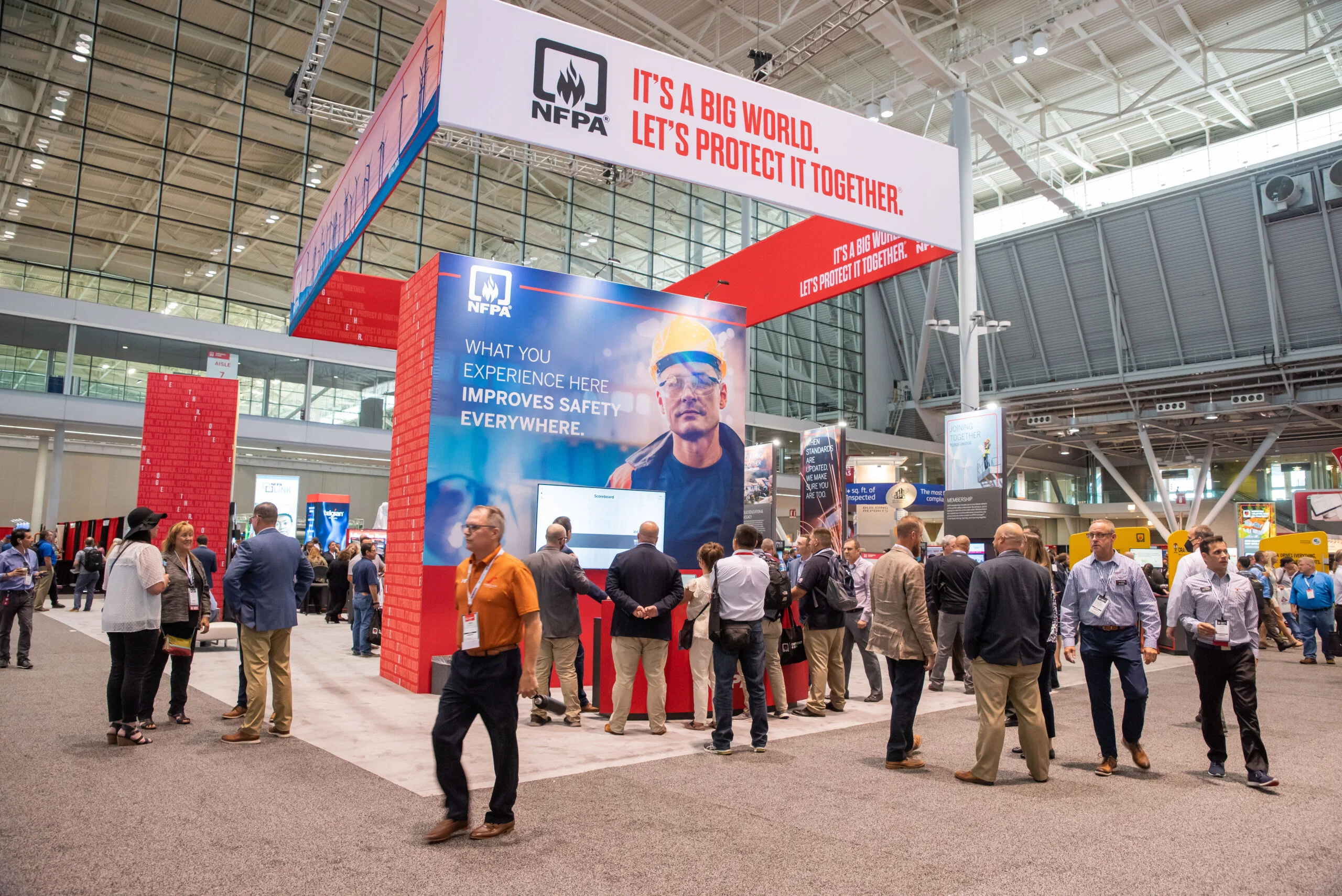
The Charlotte Convention Center stands as the primary facility for larger association meetings, delivering 280,000 square feet of exhibit hall space within a total 600,000-square-foot structure. This supports trade-show-style displays alongside the poster sessions, resource centers, and product theaters common in professional society gatherings. Adjacent breakout space totals 154,000 square feet, enabling simultaneous committee meetings, workshops, and special-interest sessions without schedule conflicts.
Uptown’s concentration of full-service hotels, including the Westin Charlotte, Hilton Charlotte Uptown, Charlotte Marriott City Center, Omni Charlotte Hotel, and JW Marriott Charlotte, supplies more than 6,400 rooms within walking distance. This inventory simplifies housing for speakers, board members, and general attendees while keeping the entire program contained in one district that includes dining, entertainment, and the NASCAR Hall of Fame for evening receptions.
Secondary capacity exists in the Concord and Cabarrus County corridor, where the Embassy Suites Concord Convention Center and Cabarrus Arena & Events Center accommodate mid-sized regional association events or overflow from Uptown programs. These venues pair with adjacent hospitality such as Great Wolf Lodge, creating family-friendly options for associations whose members travel with guests.
- 280,000 square feet of exhibit space
- 154,000 square feet of dedicated breakout space
- 6,400 walkable hotel rooms in the Uptown core
- Nonstop service to 188 destinations via Charlotte Douglas International Airport
Sector Alignment That Strengthens Association Programs
Charlotte’s status as the second-largest financial center in the United States creates natural synergies for banking, insurance, and fintech associations. Headquarters concentration across 19 Fortune 1000 companies supplies executive speakers, panelists, and high-level attendees who value relevant case studies and peer networking on regulatory, innovation, and leadership topics.
Life sciences and healthcare associations benefit from the region’s expanding medical and research footprint. Educational sessions on clinical advancements, compliance standards, and patient-outcome improvements draw both local practitioners and national members, while the market’s manufacturing base supports supplier and distributor associations seeking to combine exhibits with technical workshops.
Motorsports and automotive associations find particular resonance given Charlotte Motor Speedway and the broader racing industry cluster. Technology and innovation associations leverage the adaptive-reuse campuses and corporate innovation economy to stage product-focused demonstrations and startup showcases that complement traditional conference programming.
Venue Cluster Strategies for Different Association Formats
Uptown Charlotte serves as the default choice for citywide annual meetings that require maximum exhibit space, multiple ballrooms, and walkable access to hotels and nightlife. The Charlotte Convention Center, NASCAR Hall of Fame, and surrounding properties create a contained environment where attendees move efficiently between general sessions, sponsor areas, and evening events.
The Concord and Cabarrus County corridor offers an alternative for associations seeking drive-in attendance or more specialized experiential elements. Facilities such as the Cabarrus Arena & Events Center and Embassy Suites provide flexible arena-style seating and exhibit areas suited to enthusiast or regional member groups, with added capacity from Charlotte Motor Speedway-adjacent venues for hospitality or testing demonstrations.
Smaller executive or board-level association functions can utilize South Charlotte options including the Ballantyne, a Luxury Collection Hotel and Harris Conference Center. These polished environments support leadership retreats, strategic planning sessions, and invitation-only summits that benefit from a quieter setting away from the convention core while remaining within the broader Charlotte market radius.
- Uptown Convention Core for large-scale events
- Concord Corridor for regional or experiential formats
- South Charlotte for executive and board meetings
- Adaptive-reuse spaces for unique receptions and activations
Logistics Coordination and Attendee Travel Planning
Charlotte Douglas International Airport’s handling of 53.6 million passengers in 2025 and nonstop flights to more than 188 destinations simplifies national and international attendance for associations. This connectivity reduces travel friction for members arriving from multiple time zones and supports efficient speaker and exhibitor logistics across multi-day programs.
The region’s 13 percent five-year workforce growth and addition of more than 8,400 jobs from foreign direct investment since 2022 indicate a steadily expanding pool of potential attendees and corporate supporters. Planners can therefore forecast stable registration while designing programs that reflect the diverse economic base spanning financial services, advanced manufacturing, and logistics.
Recommended submarkets such as University City, Ballantyne, Huntersville, Monroe, and Rock Hill, SC expand options for associations whose members are distributed across the 15-county Charlotte Region. Coordination across these areas allows for pre- and post-conference activities, satellite receptions, or targeted regional chapter events without compromising the central program.
Integrating Exhibits, Education, and Sponsorship Elements
Successful association meetings in Charlotte typically combine revenue-generating exhibit halls with robust continuing-education tracks. The convention center’s layout permits exhibits on the main floor while breakout rooms on upper levels host certification courses, research presentations, and skills workshops, creating a smooth flow that maximizes member time on-site.
Sponsorship activation gains traction when aligned with both educational content and experiential opportunities. Financial services sponsors, for example, can support fintech theaters or compliance panels, while healthcare sponsors underwrite simulation labs or patient-advocacy sessions. The market’s corporate depth supplies multiple tiers of sponsorship prospects across the event lifecycle.
Networking functions gain from proximity to 200-plus restaurants and bars in Uptown Charlotte. Planners can schedule evening receptions at the NASCAR Hall of Fame or adjacent hotels that reinforce the day’s learning with informal peer exchange, strengthening overall member satisfaction and retention metrics.
- Exhibit revenue paired with certified education sessions
- Sector-specific sponsorship tied to program themes
- Walkable dining and venue options for networking
- Hybrid elements supported by robust local technology infrastructure
Future-Oriented Meeting Strategy in a Growing Market
Charlotte’s documented momentum—second nationally for job growth among large metros by the end of 2025—supports long-term association planning. Organizations can design scalable events that grow with the region, incorporating emerging topics in sustainability, workforce development, and international business that reflect the addition of more than 1,000 international businesses to the market.
The CRVA’s integrated sales, marketing, and venue-management approach helps future-proof events by providing consistent data on occupancy, attendee patterns, and facility upgrades. Associations can therefore adjust formats year-over-year, shifting between in-person, hybrid, or multi-venue executions while maintaining Charlotte as a reliable destination.
Venue clusters beyond the convention core, including adaptive-reuse sites such as Camp North End or the Fillmore for special events, allow associations to test new experiential formats. This flexibility ensures meetings remain relevant as member expectations evolve toward more interactive and regionally immersive experiences.
Coordinating Across Charlotte’s Diverse Submarkets
Effective association meeting coordination considers the full geography of the Charlotte Region. While Uptown anchors the largest programs, secondary locations such as Matthews, Mint Hill, Indian Trail, Mooresville, Kannapolis, and Gastonia provide additional options for chapter meetings, training workshops, or targeted recruitment events that feed into the main convention.
South Carolina extensions including Rock Hill Sports & Event Center and Fort Mill venues capture cross-border attendance from York County audiences that form part of the practical event radius. These sites support sports-and-events hybrids or lifestyle-oriented association programs without requiring all activity to concentrate in the urban core.
Planning resources that map these locations against airport access, interstate corridors, and corporate concentrations enable associations to optimize attendance from manufacturing hubs in the west, lake-oriented communities to the north, and high-growth suburban areas to the south and east.
Frequently Asked Questions About Association Meetings in Charlotte
What makes Charlotte suitable for national association conferences?
The Charlotte Convention Center supplies 280,000 square feet of exhibit space and 154,000 square feet of breakout space, supported by 6,400 walkable hotel rooms and nonstop air service to 188 destinations. The market’s corporate headquarters in finance, healthcare, and manufacturing supply relevant speakers and attendees.
Which venue clusters are most relevant for association events?
Uptown Charlotte centers on the convention center and adjacent hotels for large-scale programs. The Concord corridor offers additional convention and arena capacity, while South Charlotte properties support executive or specialized sessions. Adaptive-reuse venues provide options for receptions and activations.
How does the airport access benefit association planners?
Charlotte Douglas International Airport handled 53.6 million passengers in 2025 with nonstop flights to more than 188 destinations. This connectivity reduces travel barriers for members arriving from across the United States and supports efficient multi-day program scheduling.
Can association meetings in Charlotte incorporate exhibits and sponsorships?
Yes. The convention center’s exhibit halls are routinely paired with educational sessions, allowing associations to generate non-dues revenue while sponsors underwrite content tracks, demonstrations, or networking functions aligned with sector priorities in banking, life sciences, and technology.
What regional economic factors support association meeting attendance?
A 3.2 million population, 1.7 million labor force, 13 percent five-year workforce growth, and 19 Fortune 1000 headquarters create a deep pool of potential participants and corporate partners across financial services, advanced manufacturing, and innovation sectors.