
Charlotte has established itself as the Southeast’s premier meetings and convention destination, led by the Charlotte Convention Center’s 600,000-square-foot facility that includes 280,000 square feet of exhibit hall space and 154,000 square feet of breakout space. Supported by more than 6,400 walkable hotel rooms in the Uptown core and global access via Charlotte Douglas International Airport, which managed 53.6 million passengers in 2025 with nonstop flights to over 188 destinations, the market attracts consistent programming from finance, advanced manufacturing, life sciences, motorsports, and technology sectors.
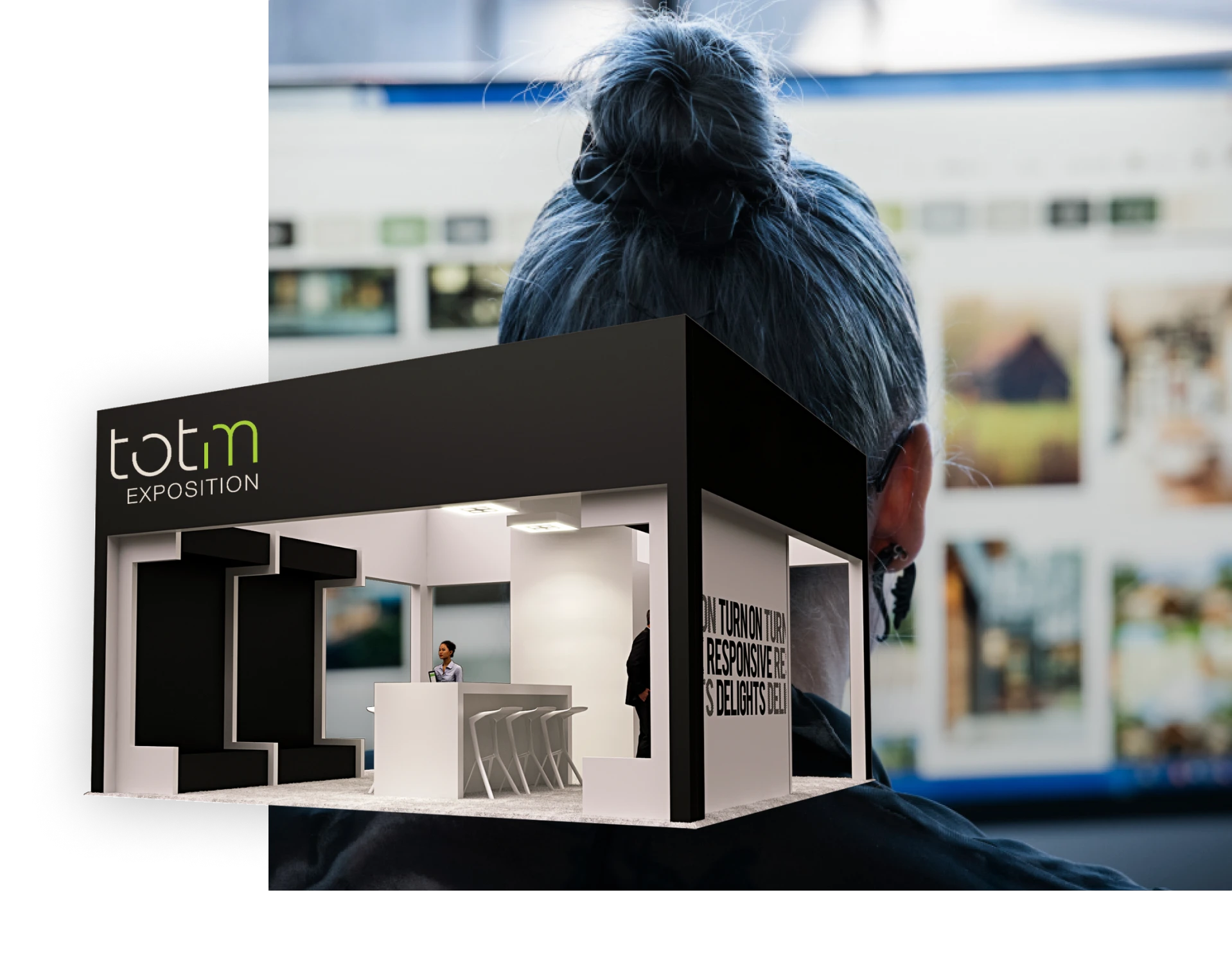
Portable display rentals deliver practical options for planners who must activate multiple touchpoints across these events. From perimeter exhibits in main halls to hospitality zones in conference hotels and sponsor activations at specialized venues, these solutions provide rapid deployment, consistent branding, and cost-effective scalability without requiring extensive custom fabrication or permanent infrastructure.
The region’s economic indicators reinforce this demand. With a 3.2 million person population, 1.7 million in the labor force, 13 percent five-year workforce growth, 19 Fortune 1000 headquarters, and second-place national ranking for job growth among large metros by late 2025, Charlotte hosts a steady stream of expos, conferences, supplier events, and experiential programs that benefit from agile display strategies.
Charlotte’s Convention Infrastructure and the Strategic Fit of Portable Displays
The official Charlotte Meetings organization highlights the city’s unified destination structure managed by the CRVA, encompassing the convention center, NASCAR Hall of Fame, and entertainment complexes. This framework creates an environment where portable displays function as versatile tools for exhibitors navigating both large-scale trade shows and concurrent breakout or hospitality functions. Planners reference the 280,000 square feet of exhibit space when determining unit sizes and configurations that maintain clear circulation paths while delivering targeted brand messaging.
Population and economic data from the CLT Alliance further contextualize demand. A regional labor force of 1.7 million with 13 percent growth over five years, paired with 19 Fortune 1000 corporate headquarters, generates frequent events that span multiple days and venue types. Portable rental solutions allow organizations to maintain visual continuity from main exhibit floors to hotel ballrooms and off-site receptions without disproportionate logistical burden.
Airport connectivity adds another planning dimension. Nonstop service to more than 188 destinations supports national and international attendee mixes, encouraging the selection of lightweight, easily transportable display systems that reduce shipping complexity and accelerate on-site readiness for time-sensitive programs.
- 280,000 square feet of dedicated exhibit hall space
- 154,000 square feet of breakout and meeting rooms
- 6,400 hotel rooms within walking distance of Uptown venues
- Unified CRVA oversight of key convention assets
Industry-Specific Applications Across Charlotte’s Primary Demand Drivers
Banking and financial services constitute a foundational segment, with Charlotte recognized as the second-largest financial center in the United States. Conferences, sponsorship activations, and executive recruiting events in this sector benefit from portable displays that project professionalism in compact footprints suitable for hotel-based sessions or convention center sponsor lounges. Planners coordinate these assets to reinforce thought-leadership messaging while allowing quick adjustments between program segments.
Advanced manufacturing, logistics, and international business represent additional growth areas. The addition of more than 8,400 jobs from foreign direct investment since 2022 and the presence of over 1,000 international businesses create opportunities for supplier expos and product-launch events. Portable displays enable these exhibitors to present technical information and global capabilities efficiently, supporting both static information panels and interactive demonstration areas.
Life sciences, healthcare, motorsports, and technology sectors each bring distinct requirements. Medical congresses require compliant, easily sanitized surfaces. Motorsports programs tied to Charlotte Motor Speedway favor bold, reconfigurable units for enthusiast crowds. Technology launches in adaptive-reuse spaces such as Camp North End or the Fillmore utilize portable frames that integrate digital components without venue modifications.
Aligning Portable Displays with Charlotte’s Distinct Venue Clusters
The Uptown Convention Core concentrates primary infrastructure including the Charlotte Convention Center, NASCAR Hall of Fame, the Westin Charlotte, Hilton Charlotte Uptown, Charlotte Marriott City Center, Omni Charlotte Hotel, and JW Marriott Charlotte. In this walkable district, portable displays help delineate sponsorship zones, create intimate conversation areas within larger ballrooms, and maintain brand presence across day and evening functions. Their modular nature supports the dense scheduling typical of citywide conventions.
The Concord and Cabarrus County corridor extends the market northward with the Embassy Suites Concord Convention Center, Cabarrus Arena & Events Center, Great Wolf Lodge, and Charlotte Motor Speedway. This cluster serves regional conventions, consumer shows, and automotive-focused events where drive-in attendance patterns and larger outdoor-adjacent spaces reward quick-setup, weather-resistant portable solutions that can scale with fluctuating daily crowds.
Additional clusters in South Charlotte, University City, South End, and adaptive-reuse activation zones provide further options. Planners evaluate each location’s loading access, ceiling heights, power infrastructure, and audience demographics when specifying inventory. This data-driven matching process ensures displays enhance rather than compete with the architectural character of venues ranging from luxury hotels like the Ballantyne to creative industrial spaces.
- Uptown Convention Core for high-density, walkable programs
- Concord / Cabarrus Corridor for regional and motorsports events
- South Charlotte Executive Corridor for polished corporate meetings
- Adaptive Reuse Zone for experiential brand activations
Logistical Coordination and Transportation Advantages in the Charlotte Market
Charlotte Douglas International Airport’s scale and connectivity simplify exhibitor logistics across national and global programs. The ability to transport compact portable display components via air freight or standard ground carriers reduces both cost and timeline pressures. Planners incorporate these realities when building master schedules that coordinate multiple venues spread across the 15-county region.
Interstate access via I-77, I-85, and supporting corridors linking locations such as Huntersville, Mooresville, Gastonia, Monroe, Rock Hill, and Fort Mill enables efficient movement between event sites. This infrastructure supports programs that combine Uptown convention activity with satellite functions in Concord, Ballantyne, or University City. Portable displays, by design, align with these routing realities by minimizing on-site assembly time and specialized equipment needs.
North Carolina’s established business climate, including right-to-work provisions, contributes to a flexible environment for event execution. When combined with the CRVA’s centralized planning resources, these factors allow coordinators to focus on strategic display placement rather than operational friction.
Integration Strategies with Broader Rental Categories
Portable displays achieve maximum effectiveness when coordinated with complementary rental elements including AV equipment, LED video walls, trade show lighting, furniture, and staging. In Charlotte’s market, where events frequently blend education, networking, and brand experience, this integration creates unified environments that reinforce messaging across exhibit, hospitality, and presentation spaces.
Technical compatibility reviews conducted during the planning phase ensure that display frames accommodate monitor mounting, lighting attachment, power distribution, and digital interactivity. For financial conferences in Uptown hotels or manufacturing demonstrations at the convention center, synchronized rental packages streamline installation and reduce the number of vendor touchpoints.
As the region continues its upward trajectory with strong job growth and expanding international business activity, organizations that develop integrated rental strategies position themselves to replicate successful programs across successive years with minimal redesign. Portable displays serve as the adaptable core of these repeatable systems.
- AV and digital media compatibility
- Lighting and environmental enhancement options
- Furniture pairings for lounge and hospitality zones
- Staging and presentation support integration
Timeline, Budget, and Long-Term Planning Frameworks
Successful portable display programs in Charlotte typically begin detailed planning four to six months prior to major conventions, with accelerated timelines possible for corporate or motorsports events. Venue floor plans from the Charlotte Convention Center and supporting facilities inform precise specifications regarding dimensions, weight, graphic production, and installation sequencing. Early coordination with destination resources helps align these decisions with overall event calendars.
Budget frameworks should account for unit quantity, graphic refresh cycles, reconfiguration requirements between event days, and potential multi-venue transport. The presence of 200-plus restaurants and bars within walking distance of Uptown venues often extends event duration, increasing the value of durable, low-maintenance portable solutions that maintain appearance across multi-day schedules.
Looking forward, the combination of corporate headquarters depth, manufacturing momentum, life-sciences growth, and motorsports infrastructure signals sustained event volume. Organizations that invest in thoughtful portable display strategies now can scale participation efficiently as the market’s 13 percent workforce expansion and second-place job-growth ranking continue to attract new programs to the region.
Frequently Asked Questions About Portable Display Planning for Charlotte Events
How does the Charlotte Convention Center’s scale influence portable display selection?
The facility’s 280,000 square feet of exhibit space and 154,000 square feet of breakout rooms typically lead planners toward modular units configurable from tabletop to 10-by-20 footprints. These allow flexibility for varying booth sizes, high-traffic aisles, and concurrent hospitality functions while respecting established circulation patterns.
Why are portable displays effective for Charlotte’s financial services conferences?
As the nation’s second-largest banking center, Charlotte hosts frequent executive programs, investor events, and sponsorship activations. Portable displays provide professional, brand-consistent presence in hotel ballrooms and convention spaces without the lead times or costs associated with full custom builds.
Are portable displays suitable for motorsports and automotive events near Charlotte Motor Speedway?
Their rapid deployment characteristics complement the fast-paced environment of enthusiast activations, VIP hospitality, and brand experiences connected to the speedway and Concord venues. Lightweight construction supports quick adjustments between race-related programming and corporate sessions.
What market factors drive demand for portable display rentals in the Charlotte region?
Nineteen Fortune 1000 headquarters, 13 percent five-year workforce growth, more than 8,400 new jobs from foreign direct investment, global airport access, and major convention infrastructure combine to sustain diverse programming across finance, manufacturing, life sciences, technology, and motorsports.
How can planners coordinate portable displays across Uptown and Concord locations?
The distinct yet complementary venue clusters, supported by strong air and interstate connectivity, allow unified branding programs. Early reference to CRVA resources and venue specifications helps align display specifications with the unique requirements of center-city hotels and northern corridor arenas.
What role does regional economic growth play in display planning?
Continued expansion, including second-place national job growth ranking and a 3.2 million person regional population, signals increasing event frequency. Portable solutions enable organizations to scale exhibit presence efficiently across this growing calendar while controlling costs.