
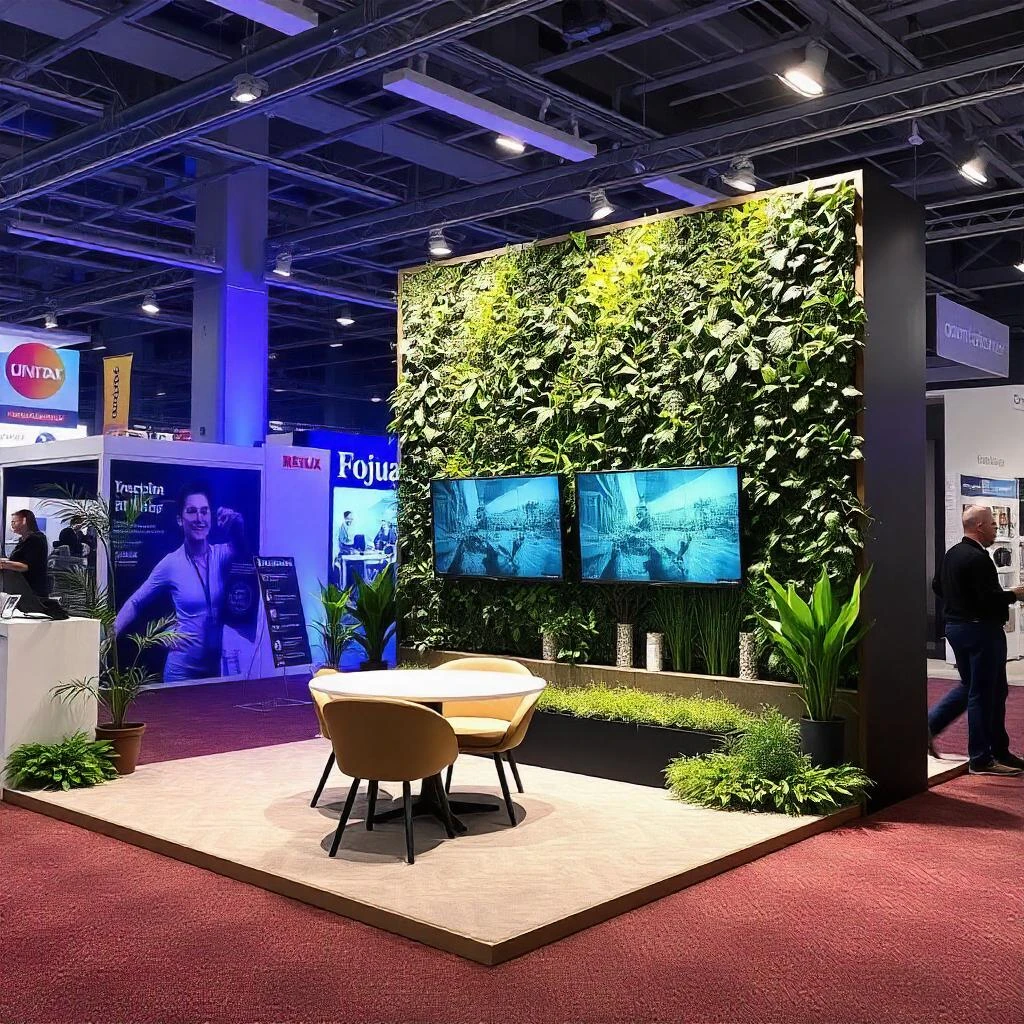
Experiential pop-up environments create short-term immersive zones where brands connect directly with audiences through interactive storytelling, technology, and sensory elements. In Charlotte, these activations align with a robust calendar of financial conferences, motorsports hospitality, advanced manufacturing expos, and innovation-driven gatherings. The city’s 280,000 square feet of exhibit space at the Charlotte Convention Center, combined with walkable Uptown hotels and the Concord event corridor, supports precise placement that maximizes attendee dwell time and message retention.
Planners benefit from the region’s global air access at Charlotte Douglas International Airport, which handled 53.6 million passengers in 2025 with nonstop flights to more than 188 destinations. This infrastructure enables national and international teams to execute complex pop-ups that integrate with larger programs at the NASCAR Hall of Fame, Camp North End, or hotel ballrooms. The market’s 19 Fortune 1000 headquarters and 13 percent five-year workforce growth further drive demand for experiences that resonate with banking, life-sciences, technology, and automotive professionals.
Effective coordination requires understanding venue clusters, audience profiles from the second-largest U.S. Financial center, and the unified planning support provided by the CRVA. When mapped against motorsports calendars or corporate innovation schedules, these pop-ups transform standard exhibit floors into memorable destinations that reinforce brand positioning within Charlotte’s concentrated event districts.
Market Demand Driving Experiential Activations
Charlotte’s position as the second-largest financial center in the United States creates steady demand for sophisticated sponsor activations and hospitality experiences. Banking and financial services conferences frequently seek differentiated environments that allow executives and prospects to interact with products in controlled yet memorable settings. The region’s 1.7 million labor force and second-place national ranking for job growth among large metros further amplify opportunities for pop-ups that address recruiting, education, and partnership themes.
Motorsports and automotive represent another major driver. With Charlotte Motor Speedway, the NASCAR Hall of Fame, and related assets in the Concord corridor, brands gain natural alignment for experiential builds that celebrate speed, performance, and fan engagement. These activations extend beyond race weekends into year-round corporate hospitality and product launches that capitalize on the area’s deep industry roots and enthusiast audiences.
Advanced manufacturing, life sciences, and technology sectors add additional layers. Supplier expos, medical education programs, and innovation showcases require compliant, flexible spaces that accommodate demonstrations, data collection, and networking. The presence of more than 1,000 international businesses and substantial foreign direct investment since 2022 supports pop-ups designed for global audiences arriving through Charlotte Douglas International Airport.
- Finance-led events seeking premium interaction zones
- Motorsports calendar creating seasonal activation peaks
- Manufacturing and life-sciences programs needing technical integration
- Technology launches benefiting from adaptive-reuse venues
Venue Clusters Suited to Pop-Up Environments
The Uptown Convention Core clusters the Charlotte Convention Center, NASCAR Hall of Fame, and multiple headquarters hotels including the Westin, Hilton Charlotte Uptown, Charlotte Marriott City Center, Omni Charlotte Hotel, and JW Marriott Charlotte. This concentration allows planners to design pop-ups that serve both main exhibit halls and adjacent receptions or breakout functions while taking advantage of 6,400 walkable hotel rooms and nearby dining.
The Concord and Cabarrus County corridor expands options with the Embassy Suites Concord Convention Center, Cabarrus Arena & Events Center, Great Wolf Lodge, and Charlotte Motor Speedway. These venues support larger drive-in attendance patterns and enthusiast-focused experiences where temporary environments can incorporate thematic elements tied to racing and regional hospitality.
Adaptive-reuse and activation zones such as Camp North End, the Fillmore, the Underground, Spectrum Center, and Truist Field provide atmospheric alternatives for brands prioritizing experience over pure square footage. South Charlotte locations including the Ballantyne and Harris Conference Center suit executive-oriented pop-ups, while Rock Hill Sports & Event Center in South Carolina extends coverage for hybrid sports-and-business programs.
Design Principles for Maximum Engagement
Successful experiential pop-ups in Charlotte balance spatial efficiency with high-impact storytelling. Temporary structures must accommodate dense foot traffic during peak convention hours while maintaining clear pathways that comply with venue regulations at the Charlotte Convention Center and similar facilities. Interactive technology, sensory elements, and modular components allow brands to adjust messaging for different audience segments throughout multi-day programs.
Thematic integration with local strengths increases relevance. Motorsports-inspired activations near the NASCAR Hall of Fame can incorporate simulation or performance zones, while financial-sector pop-ups may focus on data visualization and advisory experiences. In adaptive venues like Camp North End, industrial aesthetics can be leveraged to create authentic environments that reinforce manufacturing or technology narratives.
Lighting, digital surfaces, and material selections play critical roles in creating memorable moments within short attendee dwell times. Planners must also consider storage, power requirements, and rapid setup parameters so that the environment supports rather than disrupts larger event schedules across Uptown and Concord venues.
- Clear circulation paths for high-traffic convention days
- Technology that captures engagement data without friction
- Modular components for reconfiguration between sessions
- Thematic alignment with Charlotte’s dominant industries
Coordination Frameworks and Timelines
Planning experiential pop-up environments requires alignment with the CRVA’s unified sales, marketing, and venue-management structure. Early coordination with facility calendars helps secure optimal placement within the 600,000-square-foot Charlotte Convention Center or specialized spaces at the NASCAR Hall of Fame. Lead times for custom fabrication, permitting, and integration with existing audiovisual systems vary by venue cluster and event scale.
The region’s 15-county economic footprint and continued population growth mean planners must anticipate attendee travel patterns from University City, SouthPark, Ballantyne, Huntersville, Mooresville, and South Carolina communities such as Fort Mill and Rock Hill. Effective sequencing places pop-ups at natural crossroads between sessions, meals, and hospitality functions to maximize exposure.
Measurement frameworks should be established during initial planning. Engagement metrics, lead capture, and post-event surveys provide data that justifies investment and informs future activations. Charlotte’s strong corporate headquarters base offers opportunities for repeat programming that builds cumulative brand impact across multiple years.
Industry Applications and Customization
Banking and financial services activations often emphasize trust, innovation, and personalized advisory experiences. Pop-ups can feature interactive kiosks, private consultation pods, or simulated market environments that resonate with professionals attending conferences in Uptown Charlotte. These designs benefit from proximity to headquarters hotels where extended conversations can continue after initial engagement.
Motorsports and automotive programs allow for dynamic, high-energy experiences. Temporary environments near Charlotte Motor Speedway or within the Cabarrus Arena can include vehicle showcases, virtual reality components, or interactive challenges that align with enthusiast and corporate hospitality calendars. The NASCAR Hall of Fame provides a natural thematic anchor for related sponsor activations.
Life sciences, advanced manufacturing, and technology sectors require compliant yet creative approaches. Pop-ups in these categories frequently incorporate demonstration stations, educational touchpoints, and data-collection mechanisms that meet industry standards while delivering memorable brand impressions. Adaptive venues offer unique architectural backdrops that differentiate these experiences from standard ballroom or exhibit hall settings.
- Finance: advisory pods and data visualization zones
- Motorsports: simulation and performance experiences
- Manufacturing: technical demonstration areas
- Technology: immersive product launch environments
Evaluation and Continuous Improvement
Post-activation review forms a critical component of successful pop-up strategies in Charlotte. Planners should analyze traffic patterns, dwell times, conversion metrics, and qualitative feedback to refine future deployments. The city’s consistent convention volume and corporate event density provide regular opportunities to test variations and optimize performance across similar audience profiles.
Sustainability considerations are increasingly important. Modular, reusable components reduce waste while maintaining design impact, particularly valuable for brands operating across multiple markets. Charlotte’s emphasis on innovation creates openness to forward-thinking approaches that blend experiential engagement with environmental responsibility.
The combination of strong air access, concentrated venue clusters, and diverse demand drivers positions Charlotte as an efficient testing ground for experiential concepts. Insights gained from activations at the Charlotte Convention Center, Concord facilities, or adaptive-reuse sites can inform national rollout strategies while building lasting connections with regional audiences.
Strategic Advantages of the Charlotte Market
Charlotte’s event infrastructure supports both large-scale conventions and targeted experiential programs. The CRVA’s management of the convention center, NASCAR Hall of Fame, and Bojangles Entertainment Complex creates operational efficiencies that streamline planning across multiple venue types. Planners can therefore focus on creative and strategic elements rather than basic logistical hurdles.
Demographic momentum further strengthens the case. With 3.2 million residents in the 15-county region and sustained workforce expansion, the market attracts national audiences that value high-quality interactions. International business growth and foreign direct investment add global perspective to pop-ups, making Charlotte a practical hub for multi-city campaign schedules.
The blend of traditional convention inventory with distinctive activation spaces such as Camp North End and the Fillmore enables brands to select environments that match their storytelling needs. This flexibility, paired with the city’s 200-plus walkable restaurants and bars in Uptown, creates complete attendee experiences that extend beyond the pop-up itself.
Frequently Asked Questions
What differentiates experiential pop-up environments from standard exhibits in Charlotte?
Experiential pop-ups emphasize immersive storytelling, interactive technology, and sensory engagement rather than static product display. In Charlotte, they are coordinated to align with specific venue flow patterns at the Convention Center, NASCAR Hall of Fame, or adaptive spaces, creating memorable connections with finance, motorsports, and manufacturing audiences.
Which Charlotte venues best support pop-up activations?
The Charlotte Convention Center offers large exhibit halls suitable for high-traffic experiences while the NASCAR Hall of Fame and Concord corridor venues support thematic motorsports activations. Adaptive-reuse locations like Camp North End and hotel properties in Uptown or Ballantyne provide atmospheric options for targeted hospitality programs.
How does Charlotte’s industry mix influence pop-up design?
Designs are tailored to the second-largest U.S. Financial center, strong motorsports presence, advanced manufacturing base, and growing life-sciences and technology sectors. Planners align interactive elements with these audiences to improve relevance and measurable outcomes during conventions and corporate events.
What role does the CRVA play in pop-up coordination?
The CRVA provides a unified planning framework for the convention center, entertainment venues, and related facilities. This structure helps align pop-up timing, placement, and logistics with broader event calendars across Uptown Charlotte and the Concord event corridor.
How important is airport access for experiential programs?
Charlotte Douglas International Airport’s 53.6 million passengers and extensive nonstop service enable efficient arrival of national exhibit teams, talent, and equipment. This access supports complex pop-ups that require specialized components or personnel from outside the Southeast.
Can pop-ups be scaled for different Charlotte event types?
Yes. Smaller executive experiences suit Ballantyne or SouthPark venues while larger activations fit the Charlotte Convention Center or Cabarrus Arena. Modular approaches allow adjustment for association conferences, sponsor hospitality, product launches, or consumer-oriented motorsports events.