
Planning radius
Charlotte metro + nearby corridor
Most programs touch Uptown, South Charlotte, Concord, Cabarrus, or nearby South Carolina venues, so the plan has to account for more than one operating zone.
Environment Formats
Charlotte’s convention calendar and corporate event schedule create demand for carefully planned exhibit environments that match specific program goals across finance, manufacturing, motorsports, and technology sectors.
Charlotte has solidified its position as the Southeast’s premier meeting and convention destination. The Charlotte Convention Center supplies 280,000 square feet of exhibit hall space within a 600,000-square-foot facility, supported by more than 6,400 walkable hotel rooms in Uptown. Charlotte Douglas International Airport’s 53.6 million passengers in 2025 and nonstop service to over 188 destinations give exhibitors strong national and international reach, while the region’s 19 Fortune 1000 headquarters and 13 percent five-year workforce growth sustain steady demand for professional exhibit solutions.
The market’s venue clusters shape exhibit-type decisions. The Uptown convention core, led by the Convention Center and NASCAR Hall of Fame, favors structured conference exhibits and sponsor activations. The Concord-Cabarrus corridor, including the speedway and arena, supports larger hospitality and experiential builds. Adaptive-reuse sites such as Camp North End and South End locations enable immersive pop-ups, while SouthPark and Ballantyne venues suit polished hospitality and executive-focused environments. Each type must align with audience profiles, venue specifications, and sector priorities ranging from banking conferences to motorsports hospitality.
Effective planning evaluates scale, traffic flow, technical requirements, and brand objectives before selecting among conference exhibits, sponsor activations, demo theaters, hospitality settings, outdoor structures, or museum-style installations. This approach ensures the chosen environment advances program goals within Charlotte’s distinctive infrastructure of convention halls, hotel ballrooms, speedway-adjacent spaces, and creative activation zones.
Charlotte
Environment Focus
Planning radius
Most programs touch Uptown, South Charlotte, Concord, Cabarrus, or nearby South Carolina venues, so the plan has to account for more than one operating zone.
Venue base
Convention centers, hotels, arenas, hospitality properties, and event campuses tracked for Charlotte programs.
Location span
Districts and nearby markets that change freight movement, hotel strategy, crew travel, and venue selection.
Labor stance
Charlotte is a right-to-work market, but exhibitor labor assumptions still need to be checked against the current venue section, show manual, and in-house service-provider rules before promising self-perform rights.
Environment Formats
Environment Focus
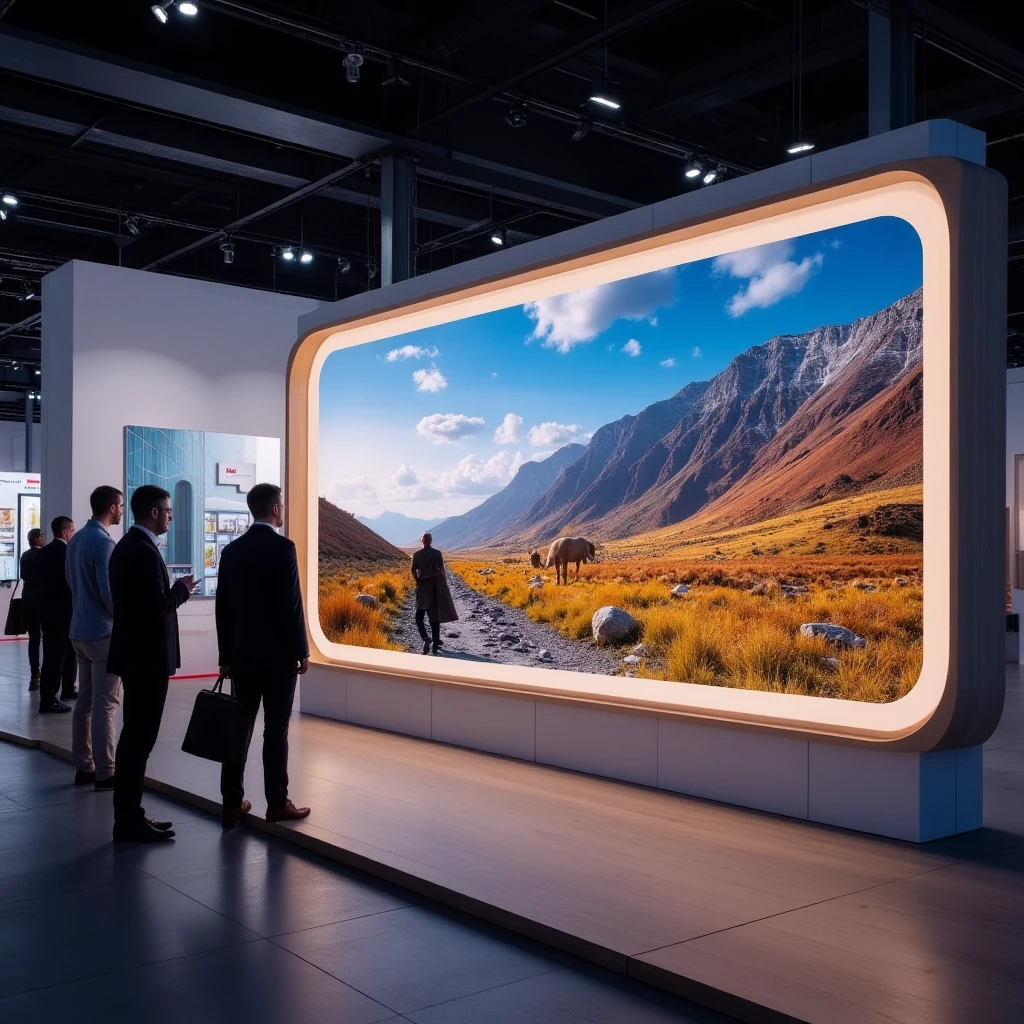
Conference Exhibits environment planning for scenic scope, audience behavior, technical support, labor timing, and repeatable event outcomes.
Environment Focus
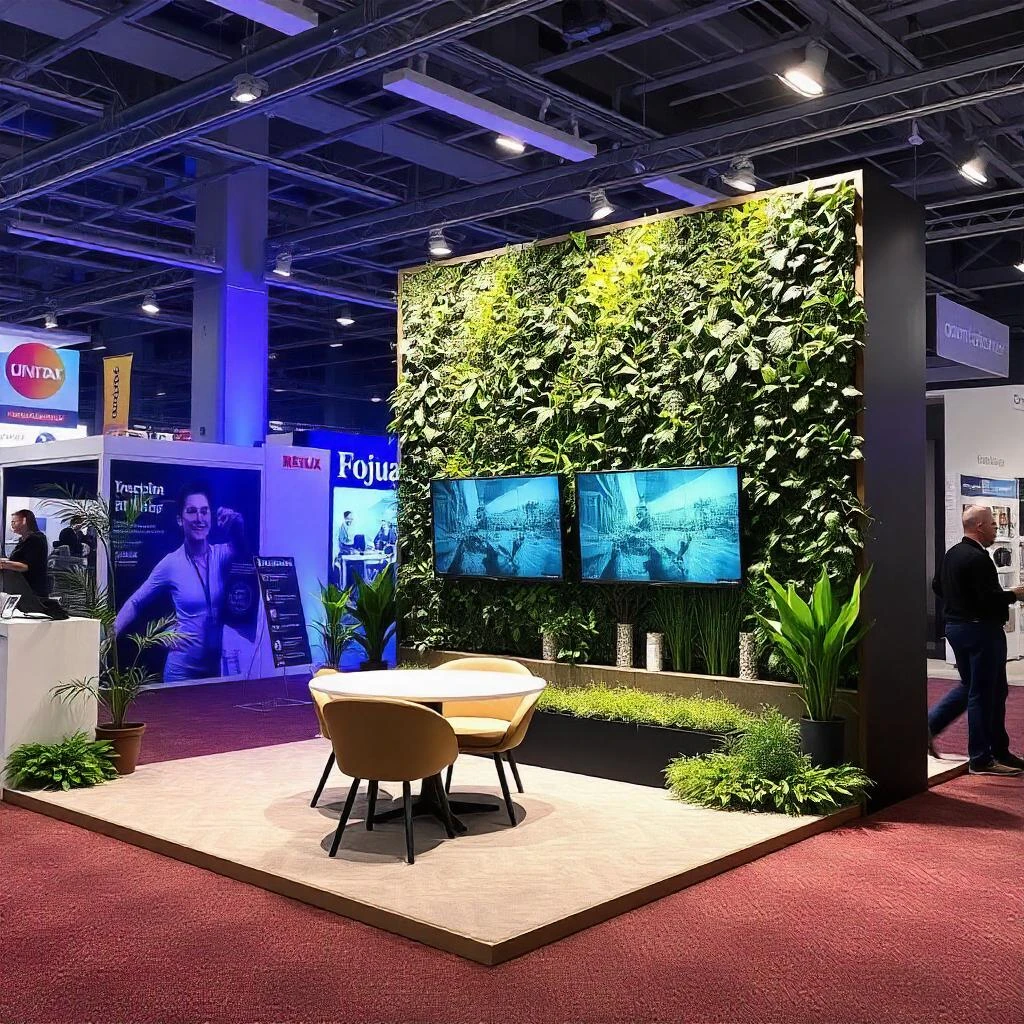
Sponsor Activation Environments environment planning for scenic scope, audience behavior, technical support, labor timing, and repeatable event outcomes.
Environment Focus
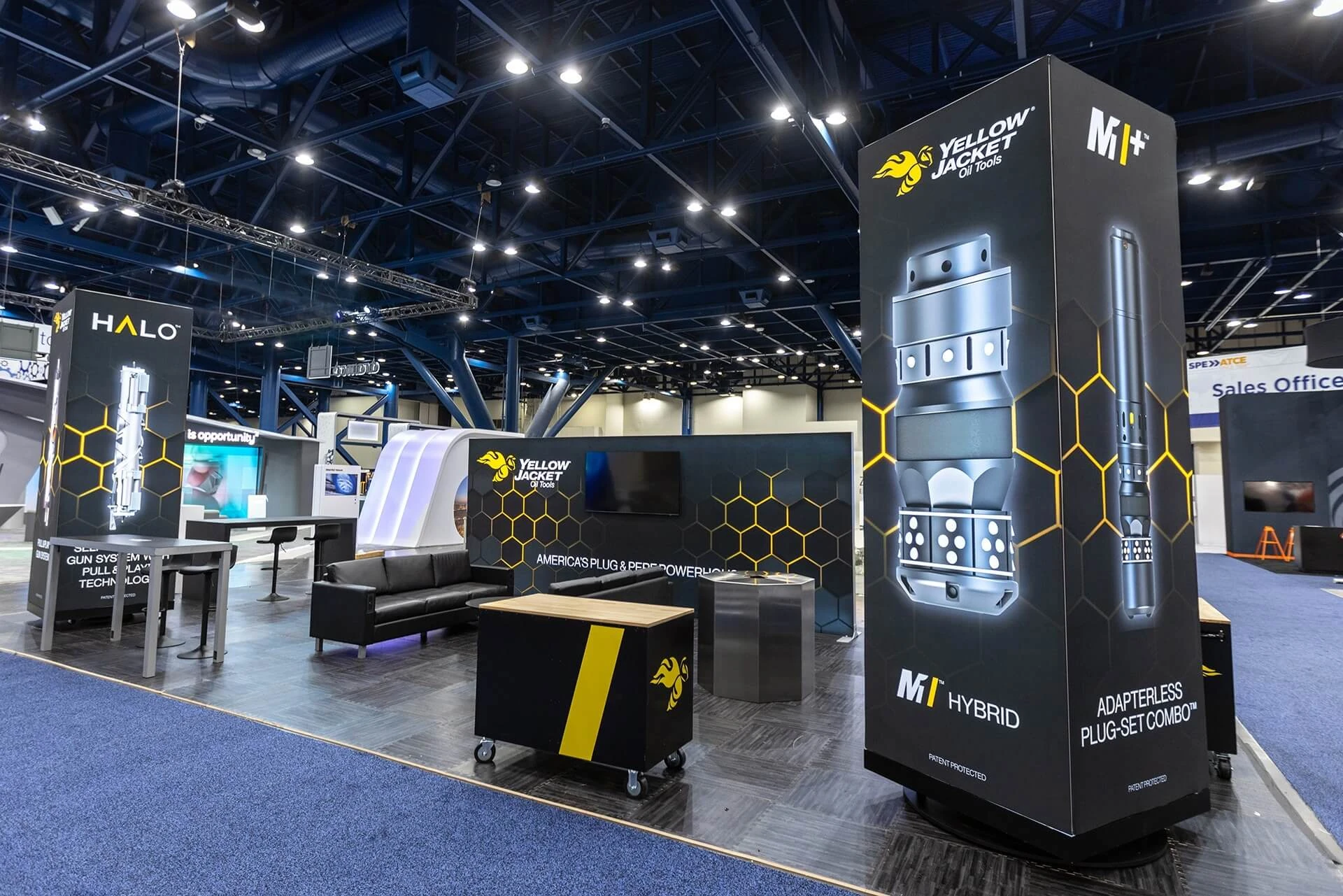
Experiential Pop-Up Environments environment planning for scenic scope, audience behavior, technical support, labor timing, and repeatable event outcomes.
Environment Focus
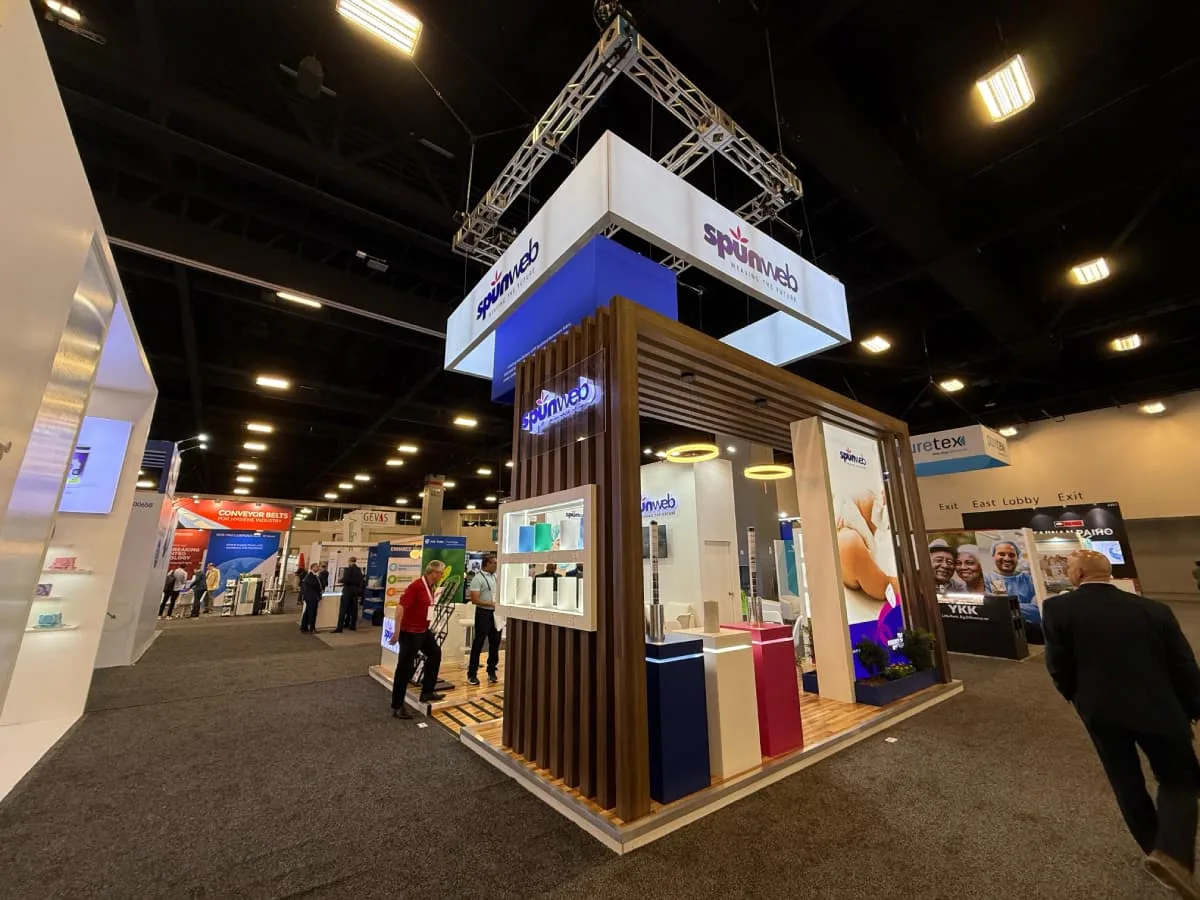
Museum-Style Brand Installations environment planning for scenic scope, audience behavior, technical support, labor timing, and repeatable event outcomes.
Environment Focus
Lobby and Registration Environments environment planning for scenic scope, audience behavior, technical support, labor timing, and repeatable event outcomes.
Environment Focus
Outdoor Event Structures environment planning for scenic scope, audience behavior, technical support, labor timing, and repeatable event outcomes.
Environment Focus
Hospitality Exhibit Environments environment planning for scenic scope, audience behavior, technical support, labor timing, and repeatable event outcomes.
Environment Focus
Demo and Theater Environments environment planning for scenic scope, audience behavior, technical support, labor timing, and repeatable event outcomes.
Charlotte has solidified its position as the Southeast’s premier meeting and convention destination. The Charlotte Convention Center supplies 280,000 square feet of exhibit hall space within a 600,000-square-foot facility, supported by more than 6,400 walkable hotel rooms in Uptown. Charlotte Douglas International Airport’s 53.6 million passengers in 2025 and nonstop service to over 188 destinations give exhibitors strong national and international reach, while the region’s 19 Fortune 1000 headquarters and 13 percent five-year workforce growth sustain steady demand for professional exhibit solutions.
The market’s venue clusters shape exhibit-type decisions. The Uptown convention core, led by the Convention Center and NASCAR Hall of Fame, favors structured conference exhibits and sponsor activations. The Concord-Cabarrus corridor, including the speedway and arena, supports larger hospitality and experiential builds. Adaptive-reuse sites such as Camp North End and South End locations enable immersive pop-ups, while SouthPark and Ballantyne venues suit polished hospitality and executive-focused environments. Each type must align with audience profiles, venue specifications, and sector priorities ranging from banking conferences to motorsports hospitality.
Effective planning evaluates scale, traffic flow, technical requirements, and brand objectives before selecting among conference exhibits, sponsor activations, demo theaters, hospitality settings, outdoor structures, or museum-style installations. This approach ensures the chosen environment advances program goals within Charlotte’s distinctive infrastructure of convention halls, hotel ballrooms, speedway-adjacent spaces, and creative activation zones.
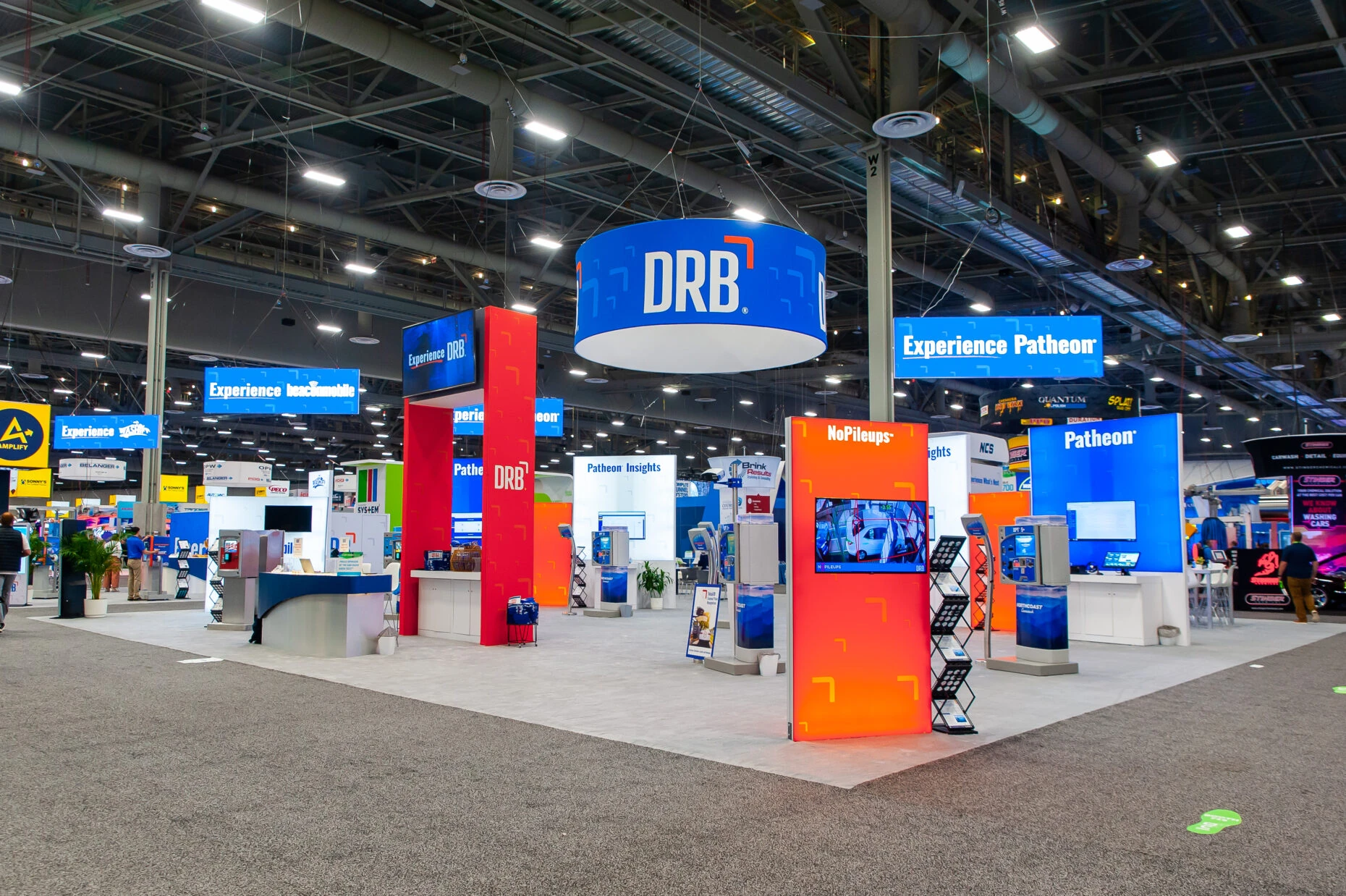
Conference exhibits serve as the primary format for programs held at the Charlotte Convention Center and supporting hotel venues. With 280,000 square feet of dedicated exhibit space, the facility accommodates island booths, inline displays, and large-scale configurations that facilitate lead generation, product showcasing, and professional networking.
Banking and financial services represent a core demand driver, as Charlotte ranks as the nation’s second-largest financial center. These events require clean, authoritative designs that support private meetings and brand reinforcement. Advanced manufacturing, life sciences, and technology programs add layers of technical demonstration space while observing compliance and educational priorities.
Planning focuses on modularity, power distribution, digital integration, and efficient attendee circulation. The convention center’s infrastructure and the surrounding walkable Uptown district allow exhibits to connect smoothly with breakout sessions, receptions, and hospitality functions.
The region’s job-growth momentum and foreign-direct-investment activity further expand the calendar for supplier expos, distributor events, and innovation showcases that rely on well-executed conference exhibits.
Sponsor activation environments capitalize on Charlotte’s motorsports infrastructure and corporate hospitality opportunities. Venues such as the NASCAR Hall of Fame, Charlotte Motor Speedway, and Cabarrus Arena allow brands to create memorable interactions that extend beyond traditional booth displays.
These environments emphasize experiential storytelling, interactive zones, and hospitality touchpoints that align with enthusiast audiences and executive guests. The Concord-Cabarrus corridor’s combination of arena, speedway, and hotel facilities supports large-scale activations that blend branding with functional gathering spaces.
Planning requires precise attention to sight lines, audience flow, and integration with overarching event programming. Activations near Uptown venues or within adaptive-reuse sites like Spectrum Center or the Fillmore further diversify options for technology, automotive, and consumer brands seeking authentic engagement.
The market’s 1,000-plus international businesses and continued FDI growth add depth to sponsor programs that benefit from national attendee mixes and multi-city tour routing.
Hospitality exhibit environments prioritize relationship-building and premium experiences within conference hotels and executive venues. Properties such as the Westin Charlotte, Hilton Charlotte Uptown, Charlotte Marriott City Center, Omni Charlotte Hotel, JW Marriott Charlotte, and the Ballantyne support refined settings for client entertainment, leadership meetings, and incentive programs.
These environments perform well in SouthPark, Ballantyne, and Uptown locations where polished finishes, controlled lighting, and integrated catering reinforce brand positioning. They complement larger convention activity by offering private spaces that extend the official program with targeted networking.
Coordination involves aligning exhibit elements with hotel room blocks, AV systems, and nearby dining options—more than 200 restaurants and bars within walking distance of Uptown. The format suits the region’s strong corporate headquarters base across financial services, technology, and manufacturing.
Planners balance intimacy with strategic visibility, ensuring hospitality spaces enhance rather than compete with main exhibit activities at the convention center or speedway.
Demo and theater environments enable live product demonstrations, educational sessions, and technical presentations within larger exhibits or dedicated ballroom spaces. The Charlotte Convention Center’s technical infrastructure and power capacity support reliable operation of staging, displays, and sound systems.
Life-sciences, advanced-manufacturing, and technology programs in the region frequently incorporate these zones to explain complex solutions while maintaining compliance standards. Modular theater layouts allow rotating speakers and clear sight lines for audiences drawn from national conferences.
Successful designs integrate digital content, practical product handling areas, and smooth transitions to adjacent exhibit space. The format aligns with Charlotte’s innovation economy and the CLT Alliance’s reported job-growth ranking among large U.S. Metros.
Planners coordinate sight lines, acoustics, and data requirements early to avoid conflicts with overall hall traffic and neighboring exhibits.
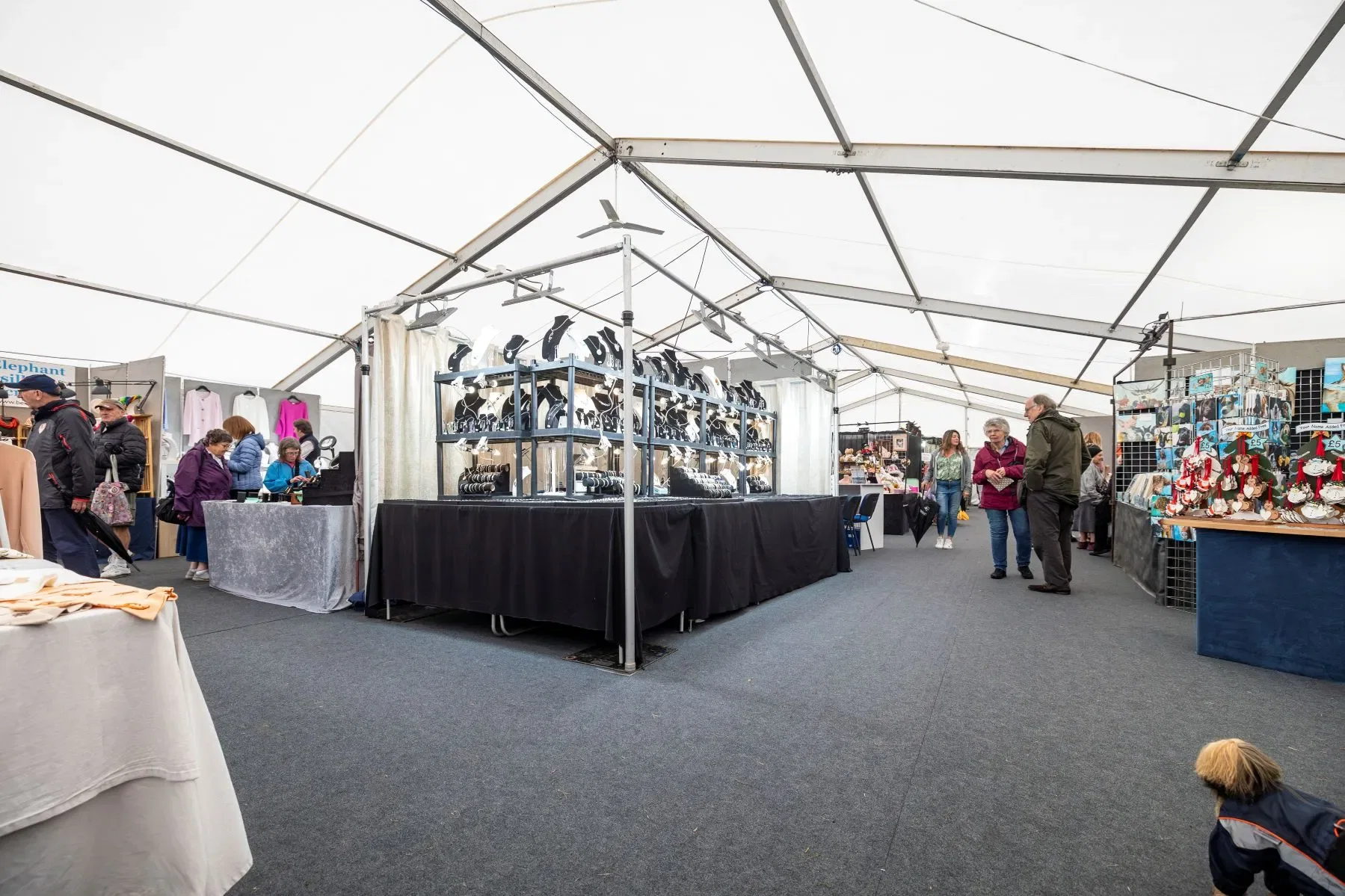
Outdoor event structures utilize Charlotte’s milder seasons and diverse locations including Charlotte Motor Speedway grounds, Anne Springs Close Greenway, and Cabarrus County venues. Tension structures, clear-span tents, and modular pavilions extend event reach to drive-in audiences and regional participants.
These environments complement indoor conventions or function as standalone experiential platforms for motorsports hospitality, consumer launches, and lifestyle activations. The 15-county region’s population of 3.2 million and 1.7 million labor force provide substantial attendance potential.
Planning addresses weather contingencies, logistics routing via global air access and interstates, and integration with nearby indoor venues. Concord’s arena and speedway adjacency offers practical staging areas for larger outdoor builds.
When paired with experiential elements, outdoor structures amplify brand visibility across the Uptown-to-Concord corridor and South Carolina extension markets.
Experiential pop-up and museum-style installations transform transitional and adaptive-reuse spaces into narrative-driven brand environments. Venues such as Camp North End, the Fillmore, the Underground, and the NASCAR Hall of Fame reward creative storytelling that immerses attendees from the moment they enter.
Lobby and registration environments at the Charlotte Convention Center or Concord facilities combine efficient check-in with environmental graphics, digital kiosks, and branded wayfinding that set the tone for the entire program. These installations prove effective for corporate anniversaries, product launches, and educational initiatives.
The market’s adaptive-reuse activation zone and South End corridor encourage designs that interact with unique architectural features rather than standard exhibit hall grids. Planners balance visual impact with practical flow to prevent bottlenecks during peak arrival times.
Museum-style approaches suit technology, life-sciences, and manufacturing brands that benefit from contextual displays highlighting innovation history or process demonstrations within Charlotte’s corporate and academic corridors.
Planner questions
Conference exhibits paired with hospitality environments typically deliver strongest results. The Charlotte Convention Center’s exhibit halls support professional branding and lead capture while Uptown hotels provide private spaces for executive conversations, aligning with the city’s position as the nation’s second-largest financial center.
The NASCAR Hall of Fame, Charlotte Motor Speedway, and Concord corridor create natural settings for experiential sponsor activations. These environments blend interactive branding with hospitality to engage enthusiasts and corporate audiences, capitalizing on the region’s authentic racing heritage and related event calendar.
Key factors include seasonal weather planning, logistics across the 15-county region, and proximity to primary venues such as the speedway or convention center. Structures must integrate with attendee flow, power requirements, and contingency options while leveraging the market’s population growth and interstate access.
Yes. The Charlotte market’s healthcare and life-sciences footprint supports compliant demonstration and theater zones inside the convention center and hotel ballrooms. These formats allow technical education and product interaction while meeting regulatory standards for regional and national audiences.
Sites like Camp North End, the Fillmore, and Spectrum Center encourage narrative-driven, atmosphere-focused pop-ups that differ from conventional hall layouts. Designs integrate with the venue’s architectural character to create immersive brand experiences that complement Uptown convention activity.
They establish first impressions and guide attendee flow at the Charlotte Convention Center and Concord facilities. Thoughtful museum-style or graphic installations reinforce key messages from arrival, improving navigation and brand recall across finance, manufacturing, and technology programs.
Ready to brief your project?
Match the right exhibit type to your program objectives, target venues, and industry sector in the Charlotte market. Contact our planning resources to develop an environment that performs effectively within the convention center, Uptown hotels, Concord corridor, or adaptive-reuse locations across the region.