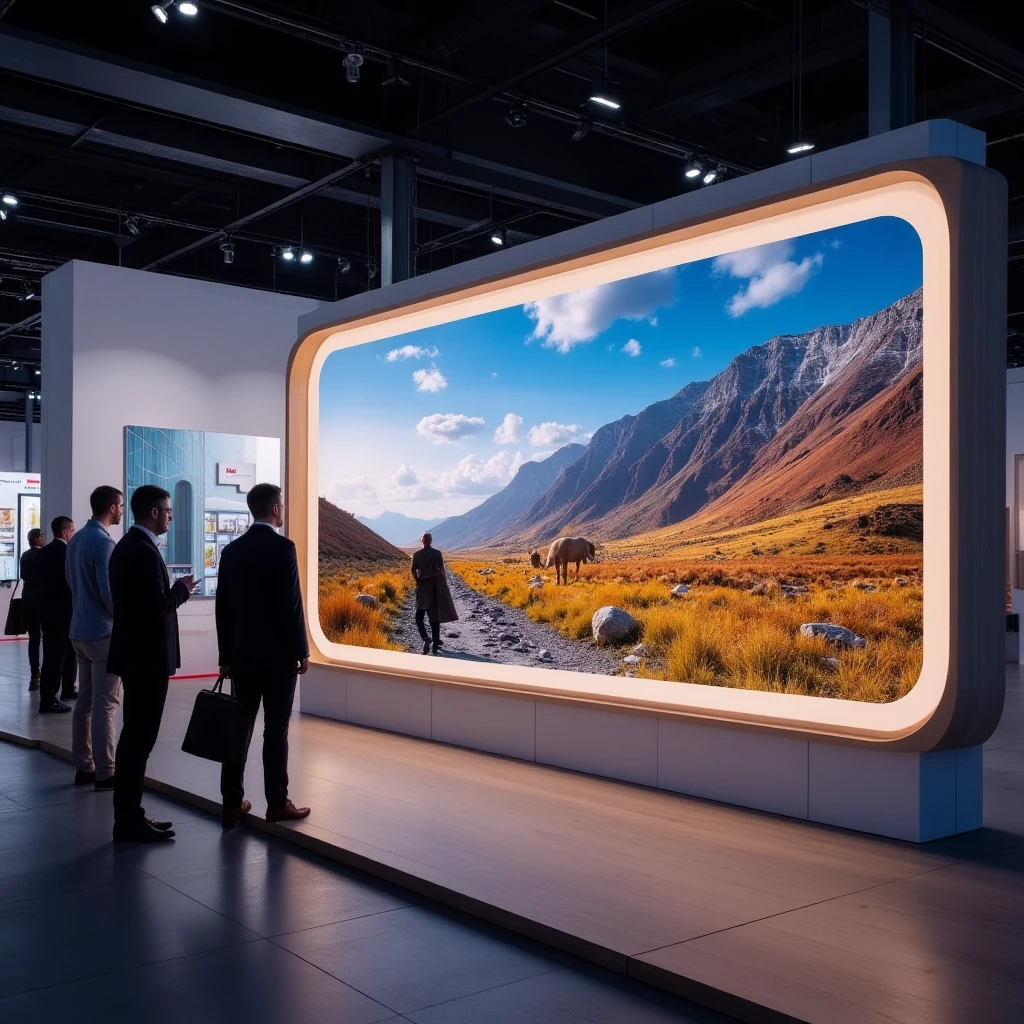
Charlotte offers a compelling setting for sponsor activation environments, supported by its 600,000-square-foot convention center, walkable Uptown district with more than 6,400 hotel rooms, and position as America’s second-largest banking center. These activations transform sponsorships into immersive brand experiences that align with the region’s corporate headquarters depth, motorsports heritage, and growing international business community of more than 1,000 companies. Planners use the market’s infrastructure to create environments ranging from interactive financial technology lounges to high-impact hospitality zones near racing venues.
The city’s 3.2 million population, 13 percent five-year workforce growth, and second-place national ranking for job growth among large metros create diverse attendee profiles across banking, advanced manufacturing, life sciences, logistics, and technology sectors. Sponsor activation environments succeed when they reflect these audiences through targeted design, strategic placement within venues like the NASCAR Hall of Fame or adaptive-reuse spaces, and smooth integration with larger event programming. Global air access via Charlotte Douglas International Airport, which handled 53.6 million passengers in 2025 with nonstop flights to 188 destinations, further supports national and international participation.
Effective planning emphasizes coordination that respects venue parameters, audience journey mapping, and measurable outcomes. Whether supporting finance-led conferences in Uptown or enthusiast programs in the Concord corridor near Charlotte Motor Speedway, these environments deliver value by fostering authentic connections within one of the Southeast’s most dynamic meeting destinations.
Defining Sponsor Activation Environments for the Charlotte Market
The environments are dedicated spaces where brands deliver interactive, memorable engagements that amplify their event investment. In Charlotte, these environments adapt to the market’s mix of professional conferences and enthusiast gatherings. They move beyond static displays to facilitate conversations, product demonstrations, and experiential storytelling that resonate with finance executives, manufacturing leaders, racing fans, and technology professionals.
The unified destination management structure provided by the CRVA helps coordinate activations across the Charlotte Convention Center, NASCAR Hall of Fame, and nearby hotels. This framework supports natural attendee movement between educational sessions and sponsor zones, creating cohesive experiences. With 19 Fortune 1000 headquarters in the region, activations often target decision-makers seeking both business value and distinctive brand interactions.
International business growth, including more than 8,400 jobs added through foreign direct investment since 2022, encourages activations with global perspectives. Successful designs incorporate local context such as Southern hospitality traditions or the city’s innovation economy while maintaining flexibility across different venue types and audience sizes.
- Financial networking lounges with digital integration
- Motorsports simulation and hospitality zones
- Healthcare and life sciences education spaces
- Technology and innovation demonstration areas
- Manufacturing and logistics showcase environments
Venue Frameworks Supporting Activation Success
The Uptown Convention Core concentrates major assets including the Charlotte Convention Center, NASCAR Hall of Fame, and multiple hotels such as the Westin Charlotte, Hilton Charlotte Uptown, and Charlotte Marriott City Center. This walkable district enables sponsor environments to function as central hubs during multi-day programs, capitalizing on natural attendee traffic and proximity to nightlife and dining options.
The Concord and Cabarrus County corridor expands possibilities with the Embassy Suites Concord Convention Center, Cabarrus Arena and Events Center, and direct adjacency to Charlotte Motor Speedway. These venues accommodate larger-scale activations and hospitality programs that draw drive-in audiences from the 15-county region, particularly for motorsports and automotive-themed experiences.
Adaptive-reuse and activation-oriented spaces such as Camp North End, the Fillmore, the Underground, and Spectrum Center provide distinctive architectural character suited to creative brand installations, product launches, and reception-style environments where atmosphere enhances the sponsor message. South Charlotte options including the Ballantyne and Harris Conference Center support more intimate, executive-focused sponsor programs.
Each cluster offers different advantages in square footage, technical capabilities, and audience draw, allowing planners to match activation concepts to the most suitable setting within Charlotte’s varied event infrastructure.
Industry Alignment for Targeted Sponsor Environments
Charlotte’s role as the second-largest financial center in the United States creates sustained demand for sponsor activations within banking and financial services conferences. These environments can feature interactive data visualization stations, private consultation areas, or technology demonstrations that address the priorities of professionals attending Uptown programs. The corporate headquarters concentration supports sophisticated activations that facilitate high-value networking.
Advanced manufacturing, logistics, and international business sectors benefit from activations highlighting supply chain solutions, sustainable practices, or imported innovations. Proximity to Charlotte Douglas International Airport and the University City corridor makes these venues practical for programs involving national exhibitors and specialized equipment displays. Life sciences and healthcare activations emphasize compliance, education, and collaborative interaction in clinical or research-focused settings.
Motorsports and automotive represent a signature category where Charlotte holds clear advantages. Activations near the NASCAR Hall of Fame or Charlotte Motor Speedway can incorporate authentic racing elements, simulation experiences, and VIP hospitality that connect brands with enthusiast and industry audiences alike. Technology and corporate innovation programs thrive in adaptive campuses where sponsor environments can showcase emerging solutions in contextually relevant settings.
- Banking: Executive lounges with fintech integration
- Motorsports: Immersive racing and hospitality experiences
- Manufacturing: Interactive product and process demonstrations
- Life sciences: Compliant educational and networking zones
- Technology: Launch platforms with real-time feedback tools
Design and Experience Principles That Perform Well
Successful the environments in Charlotte integrate brand identity with local market characteristics. Designs frequently reference the city’s modern skyline, tree-canopied neighborhoods, or racing culture depending on the target audience. Modular components, adaptable lighting, and digital overlays allow these environments to function effectively across varied ceiling heights and floor plans found in convention centers, arenas, and adaptive-reuse properties.
Engagement strategies should account for the professional yet approachable nature of Charlotte audiences. Interactive elements that promote dialogue, such as facilitated discussions, hands-on demonstrations, or technology-enabled polling, tend to generate stronger outcomes than passive viewing. Programming duration and intensity are calibrated to complement overall event schedules rather than compete with them.
Technical planning addresses power distribution, connectivity, rigging, and accessibility requirements specific to each venue. Sustainability considerations, including reusable materials and energy-efficient systems, align with many corporate sponsors’ priorities in a region focused on innovation and responsible growth. Traffic flow planning prevents congestion while maximizing visibility within the 280,000 square feet of exhibit space at the Charlotte Convention Center.
Coordination Best Practices Across the Event Ecosystem
Coordinated planning begins with alignment between sponsor objectives, event organizer requirements, and venue specifications. The CRVA’s integrated sales, marketing, and venue management approach provides consistency when activations span multiple Charlotte locations or extend from the convention center into adjacent hotels and special event spaces.
Airport connectivity simplifies arrival of personnel and materials, while the concentration of 6,400 walkable hotel rooms supports integrated hospitality extensions such as evening receptions or morning briefings. Detailed timelines, technical riders, and contingency plans help maintain schedule integrity across the diverse venue types available in Uptown, Concord, and South Charlotte.
Audience journey mapping ensures sponsor environments enhance rather than disrupt the larger event experience. Post-activation analysis captures engagement data, lead quality, and sentiment to inform future iterations. This methodical approach helps maximize return on sponsorship investment within Charlotte’s growing meetings market.
- Early goal definition and stakeholder alignment
- Venue-specific technical and operational reviews
- Attendee flow and journey optimization
- Data collection for performance measurement
- Iterative refinement based on documented outcomes
Trends Influencing Sponsor Activations in Charlotte
Charlotte’s continued economic momentum, including strong job growth and expansion in technology and life sciences, is driving sponsor activations toward greater personalization and data collection. Real-time analytics integrated into environments allow sponsors to adjust programming and capture actionable insights during the event itself.
Motorsports-related hospitality remains a distinctive strength, enabling brands to create memorable experiences that blend business discussion with authentic racing heritage at venues connected to the speedway and NASCAR assets. These programs often serve both client appreciation and lead-generation purposes across manufacturing and automotive sectors.
Adaptive-reuse venues encourage more creative, narrative-driven designs that leverage unique architectural features as part of the brand story. Hybrid activation models that combine physical presence in Charlotte with digital participation options are expanding reach while maintaining the impact of in-person engagement.
Sustainability, inclusivity, and measurable business outcomes are becoming central considerations. Planners increasingly design environments that reflect corporate values while delivering clear return-on-investment metrics within the context of the region’s innovation-focused economy.
Practical Planning Steps for Sponsor Environments
Begin by defining specific sponsor goals, target attendee segments, and success metrics. Map these against Charlotte’s event calendar, including financial conferences, manufacturing expos, healthcare meetings, and motorsports programs. This ensures the activation concept addresses genuine market interests and integrates with established programming.
Evaluate venue options based on anticipated attendance, technical needs, and desired atmosphere. The Charlotte Convention Center supports large-scale integrated activations, while the NASCAR Hall of Fame and adaptive spaces offer distinctive character for hospitality or experiential builds. Consider how each location fits within the broader Uptown, Concord, or South Charlotte clusters.
Develop comprehensive specifications covering power, connectivity, rigging, and labor coordination requirements. North Carolina’s right-to-work framework provides flexibility in sourcing specialized support. Incorporate contingency planning to address potential schedule or attendance variations common in multi-day regional events.
Build in structured measurement and follow-up processes from the outset. Digital tools can provide immediate engagement data, while post-event reporting converts initial interactions into documented business outcomes. This disciplined approach helps refine future the environments in the Charlotte market.
Frequently Asked Questions About Sponsor Activation Environments in Charlotte
What makes Charlotte distinctive for sponsor activation environments?
The combination of a 600,000-square-foot convention center, the NASCAR Hall of Fame, strong motorsports assets, 19 Fortune 1000 headquarters, and position as the nation’s second-largest banking center creates varied opportunities for targeted, high-impact brand experiences.
Which venues are most suitable for sponsor activations?
The NASCAR Hall of Fame and Uptown hotels excel for hospitality-focused activations, the Charlotte Convention Center for larger integrated environments, adaptive-reuse spaces like Camp North End for creative installations, and Concord venues near Charlotte Motor Speedway for motorsports-related programs.
How does airport access support sponsor activation planning?
Charlotte Douglas International Airport’s handling of 53.6 million passengers in 2025 and nonstop service to more than 188 destinations enables efficient travel for national audiences, activation specialists, and specialized equipment.
What industries drive demand for these environments in the region?
Banking and financial services, motorsports and automotive, advanced manufacturing, life sciences and healthcare, logistics, and technology represent the primary sectors supporting sponsor activation opportunities throughout the Charlotte metro.
How should planners measure success of sponsor activations?
Define metrics in advance including engagement duration, lead quality, brand sentiment, and conversion rates. Align environment design and programming with these objectives, then capture data through digital tools and structured post-event analysis.
Can activations be scaled for different event sizes?
Yes. Intimate executive experiences work well at properties like the Ballantyne or SouthPark venues, while larger interactive zones fit within the Charlotte Convention Center’s 280,000 square feet of exhibit space or Cabarrus Arena facilities.